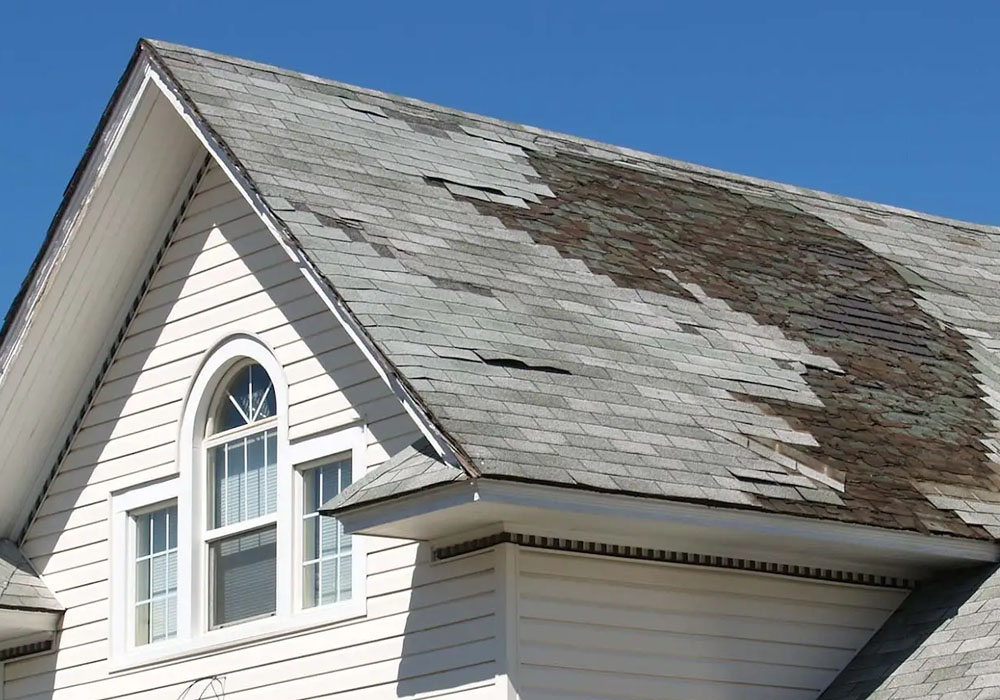
After a storm, roof repair professionals inspect the roof carefully to find both visible and hidden damage. Because hail and wind damage can be difficult to see from the ground, trained technicians examine the roof up close to identify areas that need attention. Here are a few ways to assess roof damage after a storm:
Roof Shingle Evaluation
A roof shingle evaluation entails an initial assessment of the condition of asphalt tiles after severe weather. Roof repair experts inspect the surface to identify shingles compromised by hail or wind, and since various weather conditions cause damage, identifying lifted shingles early helps prevent water infiltration. The inspection process focuses on identifying damaged or aging shingles and assessing how the storm affected the roof’s materials. Technicians also look for smaller problems that will lead to larger repairs over time. After the inspection, they recommend repair options based on the damage they find.
Siding Damage Inspection
Skilled technicians review the home’s perimeter to identify flaws in the exterior wall panels. They look for deep marks or holes caused by flying storm debris and high winds. Catching these weak spots early allows professionals to prevent water from infiltrating the area and rotting the structural wood underneath.
After identifying damaged siding, the crew creates a repair plan and replaces sections that no longer protect the home’s exterior. Technicians replace cracked vinyl panels, repair holes caused by debris, and install matching siding pieces to maintain the home’s appearance. When strong winds remove entire sections of siding, professionals attach new panels to restore the damaged areas and protect the wall beneath them. Because exposed areas leave the home vulnerable to moisture and further damage, proper siding repairs restore the exterior barrier and address problems caused by the storm.
Gutter System Analysis
Professionals inspect gutters and downspouts to verify that rainwater moves away from the home’s foundation, especially after inclement weather. Storm debris and heavy rainfall often leave gutters clogged, bent, or disconnected from their original position. Technicians remove leaves and other debris from blocked channels, then realign damaged sections and tighten loose fasteners to restore proper function. When strong winds force debris into the gutter system, cleanup restores a clear path for water to reach the downspouts. After correcting visible damage, technicians adjust the gutter slope so rainwater flows toward the downspouts instead of collecting along the roofline or near the foundation.
Attic Insulation Review
An attic insulation inspection evaluates the placement, depth, and overall condition of the insulation installed throughout the attic space. Technicians measure insulation levels and examine the material layers to determine whether storms or shifting structures have affected the insulation’s performance. Strong winds, roof leaks, and debris impacts often disturb attic insulation by creating gaps or exposing areas that need repair.
Inspectors identify these problems by checking for uneven insulation coverage, wet sections, damaged vapor barriers, and areas where air escapes through openings. When water enters the attic after a storm, technicians locate moisture-affected insulation; they then separate damaged sections from dry materials to limit further issues within the ceiling system. During attic insulation inspections, professionals perform the following tasks:
- Measure insulation depth levels: Technicians record insulation thickness in multiple attic areas to locate sections with uneven or insufficient coverage.
- Inspect vapor barrier tears: Professionals check plastic or foil barriers for rips, openings, or separation that allow moisture to affect attic materials.
- Identify attic mold accumulation: Inspectors look for visible mold growth around damp insulation, roof leaks, and areas with limited airflow.
Learn More About Roof Repair Solutions
A thorough storm damage assessment also includes checking the roof’s ventilation components. Roofing professionals inspect eaves, soffits, and intake vents for debris buildup or damage from wind and falling materials, addressing issues that affect the roof’s overall condition. Contact a reputable roofing and construction expert to learn more about their services.