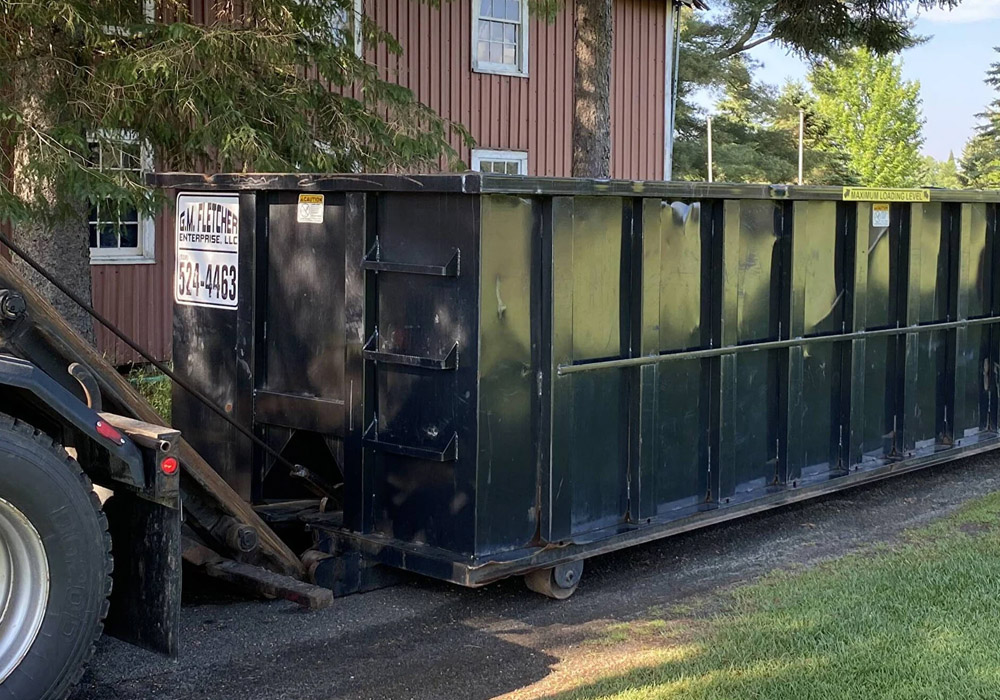
Renovation projects generate a lot of debris, including old furniture, wood scraps, and other waste materials. To dispose of project waste efficiently, you may need to rent a dumpster based on the job’s size and scope. Dumpsters often have weight limits, which determine how much debris you are able to safely and legally load. Here are a few ways to safely load your dumpster rental for disposal:
Select Proper Placement
Placing your dumpster rental in a suitable location on your property allows you to load it safely and without any inconvenience. Your dumpster should be placed on a flat and stable surface, such as asphalt or concrete. This helps support the dumpster’s weight and prevents it from tipping over during loading.
Avoid placing your dumpster on soft surfaces, such as grass, because they may become unstable under heavy loads and make loading more difficult. After selecting a suitable location, make sure there is enough room for the delivery truck to safely drop off and retrieve the dumpster. A stable surface and clear access area will help provide a smoother loading process.
Before placing your dumpster, review local regulations to avoid potential fines or placement issues. Evaluate the truck’s access route and notify the pickup driver about any obstacles, including low-hanging branches or overhead power lines. Choosing the right location from the start helps you save time and prevents delays throughout your project.
Sort Disposal Materials
Not all waste materials can be disposed of in the same way, and some items should not be placed in the same dumpster. Sorting your waste beforehand helps you identify which materials are allowed and prevents issues with disposal companies or local waste management regulations. Common waste categories include recyclables, hazardous materials, and general waste. After separating your items, confirm with your disposal company which materials are accepted in your dumpster. Many common household and construction materials, such as paper, cardboard, plastic, and glass, may be recyclable depending on local guidelines.
Distribute Weight Evenly
Distribute heavy materials, such as construction debris, evenly throughout the dumpster to maintain balance and prevent one side from becoming overloaded. An evenly distributed load keeps the container stable during use and supports a safer removal process once your project is complete. Uneven weight distribution increases the risk of tipping, shifting, or property damage.
When loading, place smaller items on top of larger materials to maximize available space and keep the debris organized. Break down large items before disposal to create more room and prevent empty spaces from taking up valuable dumpster capacity. You should also keep debris below the dumpster’s fill line to follow disposal guidelines and avoid issues during transportation.
Select Dumpster Size
When selecting the right dumpster size, evaluate the amount and type of waste your project will produce. A small home cleanout typically requires a different container than a roofing job or large-scale renovation. Choosing the proper size provides enough room for your materials while keeping debris contained below the top edge. The weight and volume of your waste also affect which dumpster works best for your needs. Your disposal provider will recommend a suitable option based on the materials you plan to discard, including concrete, roofing shingles, or construction debris. Matching the container to your project supports safer loading and a more efficient disposal process.
Schedule Your Dumpster Rental Services
Safe dumpster loading starts with proper placement, balanced weight distribution, organized disposal materials, and the right container size. Following these practices helps support efficient loading and smooth debris collection throughout your project. Contact a trusted dumpster rental provider today to schedule a container for your next cleanup project.