Key Takeaways
- Seasonal checks can help Woodbridge homeowners spot comfort and safety concerns before the weather becomes extreme.
- Heating, cooling, airflow, moisture, plumbing, and electrical conditions all influence how a home feels.
- Simple tasks such as checking filters, clearing vents, and testing alarms are useful starting points.
- Persistent leaks, unusual equipment sounds, poor airflow, and uneven temperatures deserve attention.
- Work involving gas, refrigerant, combustion, high voltage, or pressurized equipment should be handled by a qualified professional.
Woodbridge homes experience humid summers, chilly winter stretches, and plenty of seasonal temperature changes in between. That makes routine home care especially valuable. A practical checklist helps homeowners notice small issues before they interrupt comfort, damage materials, or create an urgent repair situation.
Whether a property has a newer heat pump, a furnace and central air system, or aging mechanical equipment, a seasonal approach keeps the work manageable. Homeowners looking for dependable HVAC in Woodbridge, VA can also use these observations to describe concerns clearly when professional service is needed.
Why Seasonal Care Matters
Comfort is about more than a thermostat reading. Airflow, insulation, humidity, sunlight, plumbing leaks, filter condition, and equipment performance can all affect individual rooms. Seasonal checks provide a chance to record what has changed, such as a bedroom that stays warm in July or a basement that feels damp after winter.
Small improvements can also support comfort and energy use. The Department of Energy notes that reducing energy losses through efficiency upgrades can improve comfort, which is why air sealing, insulation, and properly maintained equipment should be viewed as connected parts of home care.
Spring Home Comfort Checklist
Spring is a useful reset after winter heating demand and before the first prolonged hot spell. Start with visible, low-risk checks rather than waiting until cooling equipment must run every day.
Suggested Spring Tasks
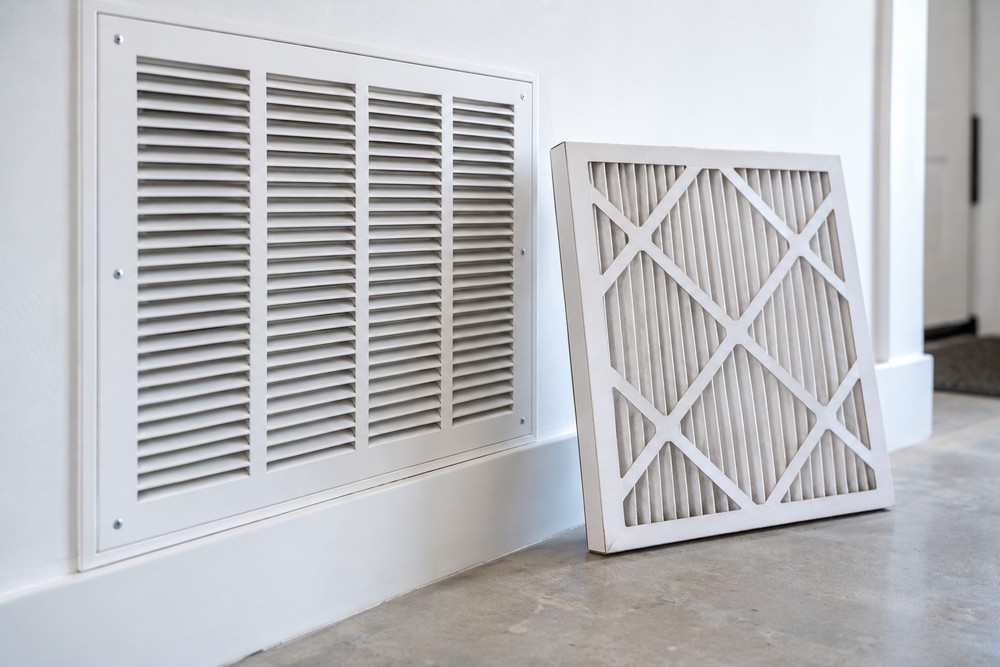
- Replace or clean the HVAC filter according to the equipment and filter instructions.
- Clear leaves, grass clippings, and stored items from around outdoor equipment.
- Look for visible moisture around pipes, hose connections, shutoff valves, and utility areas.
- Check basements, crawl spaces, windows, and exterior doors for dampness or drafts.
- Test kitchen and bathroom exhaust fans.
- Make sure supply vents and return grilles are open and not blocked by furniture or curtains.
- Test cooling on a mild day, then note weak airflow, odd noises, or rooms that cool unevenly.
Summer Cooling And Moisture Checklist
Woodbridge summers can make indoor humidity just as noticeable as indoor temperature. A home may feel sticky or stale even when the thermostat appears to be set correctly, particularly when airflow is restricted, or moisture is entering from leaks, cooking, showers, or damp spaces.
Warning Signs To Watch
- The cooling system runs longer than usual without reaching the selected temperature.
- Several rooms have weak airflow or remain much warmer than the rest of the home.
- Water appears near indoor equipment, drains, or pipe connections.
- New rattling, buzzing, grinding, clicking, or persistent odors occur.
- Windows develop frequent condensation, or rooms feel damp despite regular cooling.
Simple Ways To Reduce Summer Strain
- Close blinds or shades during the hottest, sunniest parts of the day.
- Keep vents and returns clear of rugs, furniture, curtains, and storage.
- Use ceiling fans for occupied rooms, then turn them off when rooms are empty.
- Run kitchen and bathroom exhaust fans when cooking or showering.
- Keep plants and loose debris from crowding outdoor equipment.
Fall Heating Preparation
Early fall gives homeowners time to test heating before cold weather arrives. Change or inspect the filter, set the thermostat to heating mode on a mild day, and pay attention to unusual cycling, odors, weak airflow, or sounds that did not occur last season.
Also test smoke alarms and carbon monoxide alarms according to their manufacturer’s instructions. Keep the area around heating equipment clear of boxes, paper, clothing, and other stored items. Never bypass a safety switch, alter gas controls, open a combustion chamber, or attempt internal electrical repairs.
Winter Safety And Comfort Checks
During winter, focus on stable heat, pipe protection, and prompt attention to changes. Watch for cold rooms, drafts, window condensation, or repeated heating interruptions. Protect exposed plumbing in cold areas, know where the main water shutoff and electrical panel are located, and keep exterior vents clear of snow, ice, leaves, and other obstructions.
If a carbon monoxide alarm sounds, leave the home, call emergency services or follow local emergency guidance from a safe location, and do not re-enter until it is safe to do so.
Indoor Air Quality Basics
Indoor air quality depends on several factors, including pollutant sources, ventilation, filtration, and moisture control. The EPA identifies source control, improved ventilation, and air cleaning or filtration as core strategies for reducing indoor air pollutants.
- Fix leaks and dry damp materials as soon as practical.
- Use exhaust fans that vent outdoors when available.
- Ventilate appropriately during painting, sanding, cleaning, or other fume-producing work.
- Follow filter and equipment guidance rather than assuming the highest-rated filter fits every system.
- Consider a correctly sized portable air cleaner for a specific room when it suits the household’s needs.
Water And Electrical Checks
Water and electrical issues can affect comfort quickly. Look under sinks, around toilets, and near water-heating equipment for moisture, corrosion, stains, or musty smells. Repeated slow drains, soft flooring, or recurring dampness should not be ignored.
Keep the electrical panel accessible. Stop using damaged cords, loose outlets, warm switches, or overloaded power strips. Flickering lights, burning odors, and repeated breaker trips are reasons to arrange qualified electrical evaluation.
DIY Tasks Or Professional Service?
Tasks Many Homeowners Can Handle
- Replacing filters and keeping vents unobstructed.
- Removing loose debris around outdoor equipment.
- Testing thermostats and safety alarms.
- Checking visible plumbing connections and noting leaks.
- Recording dates, symptoms, photos, sounds, and affected rooms.
Tasks Best Left To Professionals
- Refrigerant, gas-line, combustion, or internal electrical work.
- Heat exchanger inspections and pressurized water-heater repairs.
- Concealed leak detection, major duct changes, or equipment replacement.
Simple Maintenance Calendar
- January to February: Check filters, monitor heating cycles, test alarms, and watch for odors or unusual sounds.
- March to April: Check for winter moisture issues, test cooling, inspect visible plumbing, and clear outdoor equipment.
- May to August: Track humidity, airflow, uneven temperatures, filter condition, and water near equipment.
- September to October: Test heating, inspect alarms, and schedule service for recurring performance concerns.
- November to December: Monitor heating comfort, protect vulnerable plumbing, and keep emergency shutoff information accessible.
Common Questions
How Often Should An HVAC Filter Be Changed?
Timing depends on the filter type, system instructions, pets, dust, renovation work, and how often the equipment runs. Check the filter regularly and follow the manufacturer’s guidance for the specific product and system.
What Does Uneven Heating Or Cooling Mean?
Possible causes include blocked vents, duct leaks, insulation gaps, direct sun exposure, thermostat location, or equipment concerns. The symptom alone does not identify the exact cause, but a record of affected rooms and conditions can help with diagnosis.
When Should A System Be Inspected?
Arrange an inspection when performance changes, repairs repeat, unusual sounds develop, airflow weakens, or comfort becomes uneven. Early evaluation may offer more options than waiting for a complete failure.
Final Thoughts
A seasonal checklist does not need to be complicated to be useful. For Woodbridge homeowners, a few safe checks, clear notes, and timely professional attention can support more consistent comfort throughout the year.