Key Takeaways
- Age matters, but it should not be the only reason to replace a heater.
- A clear diagnosis can reveal whether a no-heat issue is a minor repair or a major equipment concern.
- Frequent breakdowns, uneven temperatures, rising energy use, and unavailable parts can make replacement more practical.
- Safety problems require immediate action and should never be treated as an ordinary cost comparison.
- A new system should be properly sized and installed with attention to airflow, ducts, and the home itself.
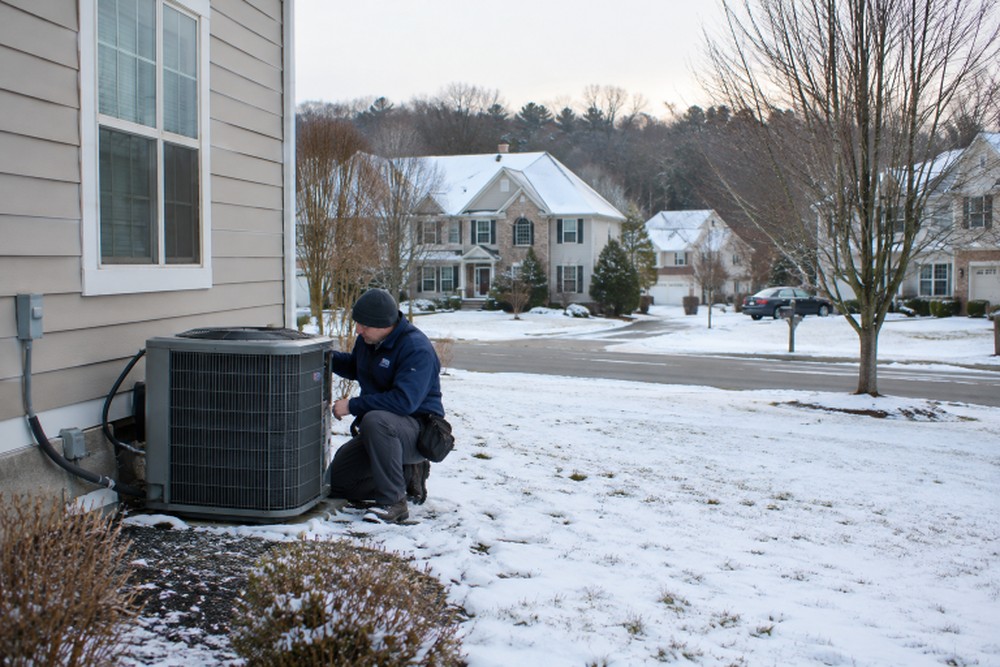
When winter temperatures arrive in Northern Virginia, homeowners need dependable heat, not a rushed decision made during an uncomfortable outage. Whether your equipment is making unusual noises, cycling constantly, or has stopped producing heat, professional heating services in Prince William County, VA can help identify the actual issue before you decide between another repair and a full replacement.
The right choice depends on more than the system’s age or the price shown on one estimate. A practical decision considers the failed part, maintenance history, comfort throughout the home, operating costs, safety, and how likely the system is to need additional work soon.
Start With the Actual Problem
A heating failure does not automatically mean the furnace, boiler, or heat pump has reached the end of its service life. Thermostat settings, clogged filters, restricted airflow, electrical connections, ignition components, sensors, and drainage issues can all affect operation. In some cases, the equipment itself is sound, but one replaceable component has failed.
Ask for a written diagnosis that explains what failed, what testing confirmed the problem, and whether the proposed repair addresses the cause rather than only the symptom. This gives you a better basis for comparison than a general recommendation to replace the entire unit.
Consider Age, but Do Not Treat It as a Verdict
Age provides useful context because older equipment may have more wear and fewer years of dependable service remaining. However, a well-maintained older system with an isolated repair need can still be worth fixing. Conversely, a newer system with recurring failures or poor installation may deserve a closer evaluation.
As a general benchmark, heating and cooling equipment that is more than 10 or 15 years old may warrant a replacement review, depending on the equipment type. ENERGY STAR identifies heat pumps and air conditioners over 10 years old, along with furnaces and boilers over 15 years old, as systems homeowners may want evaluated. Actual service life can vary with maintenance, installation quality, usage, and local conditions.
Compare the Repair With the Bigger Picture
A low repair price can be appealing, especially during a heating emergency. Still, the least expensive choice today is not always the lowest-cost choice over the next several years. Consider the repair cost alongside the expected remaining life of the equipment, the condition of major components, part availability, warranty coverage, and the record of previous service calls.
Percentage rules, such as replacing equipment when a repair reaches a certain share of replacement cost, can help start a conversation. They should not make the decision for you. A modest repair may make sense for a reliable system, while the same repair may be difficult to justify on equipment that has already needed several costly fixes.
Watch for Warning Signs Beyond a Complete Breakdown
Heating systems often show signs of trouble before they stop working entirely. Pay attention if you notice frequent repair visits, higher utility bills without a clear change in household use, rooms that remain too hot or too cold, or longer and more frequent heating cycles.
Other warning signs include banging, rattling, grinding, or squealing noises; excessive dust; unusual indoor dryness or humidity; visible rust or corrosion; water damage; and damaged venting. Any one issue may have a repairable cause, but several issues together can indicate that the system is becoming less dependable.
Separate Comfort Problems From Equipment Problems
Not every cold room points to a failed heater. Leaky ductwork, closed or blocked registers, poor insulation, air leaks around windows and doors, and inadequate airflow can all create comfort problems. Replacing the heating equipment without addressing those conditions may leave the same uneven temperatures in place.
Before approving a major replacement, ask whether the contractor has checked airflow, duct condition, filter condition, and obvious air leaks. A whole-home review is especially helpful in older Prince William County homes, additions, finished basements, and rooms located above garages.
Treat Safety Issues as a Separate Decision
Some situations call for immediate action rather than a repair-versus-replace calculation. A gas odor, smoke, a carbon monoxide alarm, unsafe venting, or a suspected cracked heat exchanger should be treated as urgent. Leave the home and contact the appropriate emergency service or utility provider if you smell gas or a carbon monoxide alarm sounds.
Carbon monoxide cannot be seen or smelled, which is why carbon monoxide alarms should be installed on each level of the home and outside sleeping areas. Working alarms add protection, but they do not replace proper equipment installation, venting, inspection, and maintenance.
When Repair Is Usually Reasonable
Repair is often a sensible option when the system is within its expected service life, the failed item is a replaceable part, and the equipment has otherwise operated reliably. It can also be a strong choice when parts are readily available, the repair is manageable, and the home remains comfortable once the system is operating correctly.
When Replacement Deserves Serious Consideration
Replacement becomes more compelling when several concerns appear at once. These may include an older system, repeated or expensive repairs, a failed major component, rising energy use, persistent comfort issues, difficult-to-source parts, or a safety concern. A planned replacement can offer more control than waiting for a complete failure during a cold-weather stretch.
Build a Better Replacement Plan
Compare complete proposals, not just equipment prices. Ask for the model number, efficiency rating, labor scope, permit information, warranty terms, removal of old equipment, startup testing, and any recommended ductwork or airflow changes. The proposed system should be sized for the home rather than selected by a simple rule of thumb.
Oversized heating equipment can cycle on and off too often, which may reduce comfort and add wear. A thorough evaluation should account for the home’s size, insulation, windows, ducts, and heating load.
Maintenance and a Final Decision Checklist
Whether you repair or replace, protect the investment by checking filters regularly, keeping supply and return vents clear, scheduling seasonal service, and recording repair dates and energy-use changes. Watch for new noises, odors, or uneven heating so small concerns can be addressed early.
Questions to Ask Before Approving Work
- What exact part or condition caused the problem?
- What tests confirmed the diagnosis?
- How long should the repaired part reasonably last?
- Are parts still available for this system?
- Will the repair solve the comfort issue or only restore basic operation?
- What does a complete replacement proposal include?
- Has the replacement system been sized for the home?
- Are ductwork, airflow testing, permits, and startup checks included?
The best decision is based on evidence rather than pressure. A properly diagnosed repair can provide dependable service, while an aging system with repeated problems may be better replaced before the next heating emergency. Focus on safety, comfort, equipment condition, operating costs, and the quality of the proposed work.