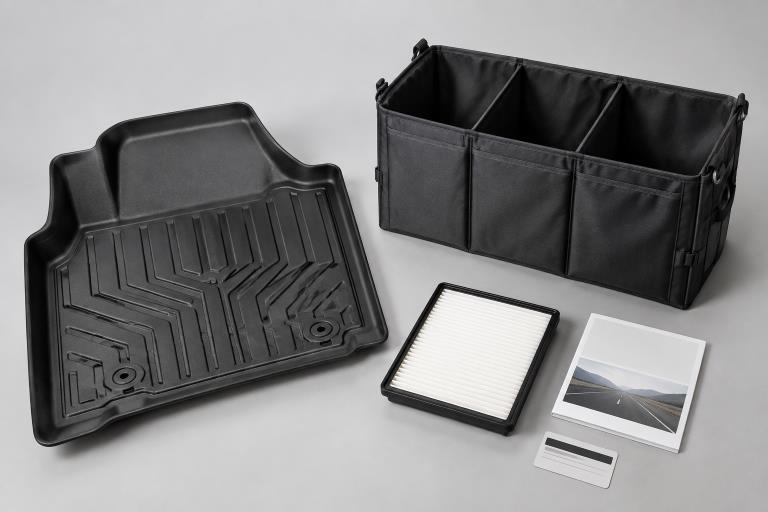
Choosing vehicle parts in Sarasota, Florida, involves more than finding an item that looks compatible online. Local driving can include hot pavement, sudden rain, beach trips, heavy traffic on the Tamiami Trail, and weekend hauling or outdoor travel. Before ordering from a Jeep dealer auto parts source, or any other seller, match the part to your exact vehicle and the conditions it will face.
The best choice is rarely based on price alone. A correctly matched replacement part or accessory can support reliable daily driving, protect the cabin from sand and moisture, improve cargo organization, or prepare a vehicle for work and recreation. A poor match can create fitment problems, premature wear, warning lights, or an unsafe installation.
Why Fit Matters More Than Looks
A part can look nearly identical to the original and still be wrong for the vehicle. Differences in engine size, drivetrain, suspension, production date, trim package, and factory options can change the required component. For example, floor liners that slide toward the pedals or a roof rack that does not use the correct mounting points can create more trouble than convenience.
In Sarasota, Florida, practical fitment matters for everyday protection as well. A cargo liner should sit securely after groceries, beach gear, or gardening supplies are loaded and unloaded. Check measurements, mounting hardware, and manufacturer fitment information before focusing on color, style, or discounts.
Start With Accurate Vehicle Details
Gather the basics before searching. Your owner’s manual, registration, prior repair invoices, and VIN can help identify the right configuration. A local Sarasota CDJR dealership can also be a useful place to get answers to questions about factory equipment, replacement part numbers, or accessory compatibility.
- Year, make, model, trim, and body style
- Engine, transmission, and two-wheel-drive or four-wheel-drive configuration
- VIN for exact replacement-part research
- Existing features, including roof rails, tow equipment, cameras, or premium audio
The VIN is especially useful because it identifies one specific vehicle, but it does not replace a final fitment check. Confirm the item’s part number and included hardware before placing the order.
OEM, Aftermarket, And Used Parts
OEM parts are built to the vehicle manufacturer’s specifications and are often selected when a predictable fit is the priority. Aftermarket parts are made by independent companies, giving shoppers more price points and feature choices. Used or recycled components can make sense for certain non-critical items, while remanufactured mechanical parts may be available for some repairs.
How To Compare The Options
- OEM: A practical choice when factory specifications and direct fit are most important.
- Aftermarket: Worth considering when the brand provides clear fitment details, materials information, and warranty coverage.
- Used: Best evaluated carefully for condition, missing hardware, and prior damage.
- Remanufactured: May offer a lower-cost alternative for eligible components, but warranty and installation requirements should be reviewed.
The lowest shelf price is not always the lowest long-term cost. A part that fails early, fits poorly, or requires additional labor may be more expensive than a better-matched option.
Choose Accessories By Purpose
Start with the problem you want to solve. Sarasota, Florida, commuters may value sunshades, durable floor protection, and charging accessories. Families may need cargo dividers or seat protection. Drivers who visit boat ramps, job sites, parks, or Gulf beaches may prioritize hitch equipment, mud guards, storage systems, and easy-to-clean liners.
- Protection: Floor liners, seat covers, mud guards, and cargo mats
- Storage: Organizers, roof carriers, bed storage, and cargo dividers
- Utility: Hitch equipment, loading aids, and tie-down accessories
- Comfort: Sunshades, device mounts, and charging equipment
- Visibility: Wiper blades, replacement lamps, and mirror accessories
Consider whether an accessory affects visibility, parking clearance, fuel use, door movement, load limits, or access to cameras and sensors.
Complete A Safety Check Before Buying
Safety-related purchases deserve the most careful review. Brakes, tires, steering components, suspension parts, lighting, towing equipment, restraint systems, and driver-assistance equipment should be selected and installed in accordance with the vehicle and product instructions. Before buying, use the NHTSA recall lookup tool to check a vehicle, tire, or piece of equipment for recall information.
- Confirm the item is intended for the vehicle and planned use.
- Review load ratings, weight limits, and installation directions.
- Inspect used items for cracks, corrosion, missing pieces, or damaged wiring.
- Use a qualified technician when a repair affects safety systems or requires calibration.
Review Warranty Terms And Keep Records
Read the vehicle warranty and the replacement-part warranty separately. Coverage may differ for parts, labor, related damage, normal wear, and service contract claims. The FTC’s guidance on auto warranties and service contracts explains that maintenance records can be important when a warranty question arises.
Keep receipts, installation instructions, part numbers, service dates, and photographs of unusual damage. Organized records can make future diagnosis, resale discussions, and warranty requests easier.
Decide Between DIY And Professional Installation
Many owners can handle straightforward jobs, such as fitting wiper blades, installing a cargo organizer, or replacing a cabin air filter when the manual provides clear instructions. Professional installation is generally the better choice for brake, steering, suspension, airbag, seat-belt, advanced electrical, towing, or calibration work. Include labor, required hardware, and potential follow-up adjustments in the decision.
Build A Practical Parts Budget
Compare the total installed cost, including parts, shipping, taxes, hardware, labor, disposal fees, and calibration, if needed. Prioritize safety or reliability repairs first, then protection and utility upgrades, followed by appearance-focused accessories. This approach helps Sarasota, Florida, drivers keep a vehicle ready for daily errands, seasonal weather, and the activities that make Florida driving enjoyable.