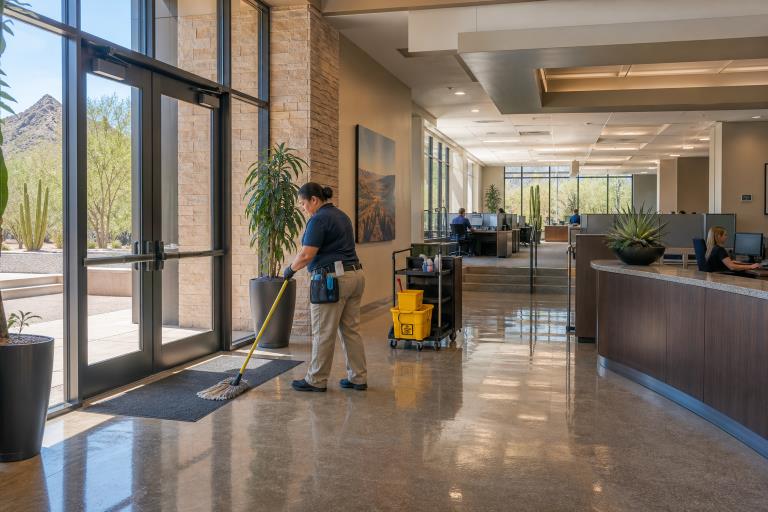
A workplace cleaning plan is more than a list of chores. It is an operating system for keeping shared spaces healthy, presentable, safe, and ready for daily work. When tasks, frequencies, supplies, and responsibilities are clear, businesses can avoid the inconsistent results that come from cleaning only what is visibly dirty.
Businesses that need a more structured approach can look to commercial cleaning in Tucson from Keepers Commercial Cleaning as a local example of customized facility care. Keepers Commercial Cleaning serves Tucson businesses and surrounding commercial areas with recurring janitorial programs, office cleaning, industrial cleaning, floor care, and specialty services, giving the company practical experience with the different demands of workplaces across the region.
Why a Cleaning Plan Matters
Cleaning should be treated as a repeatable business process, not an occasional response to complaints. A written plan protects floor finishes, reduces clutter and odors, improves visitor impressions, and helps employees feel more comfortable in shared spaces. It also makes it easier to spot recurring issues, such as a leaky restroom fixture, an understocked supply closet, or an entryway that needs more frequent attention.
Without a plan, teams often focus on desks, counters, and other obvious areas while overlooking door hardware, break-room appliances, conference-room controls, shared keyboards, vents, and waste stations. Consistency matters because missed tasks tend to become larger, costlier problems over time.
Tucson Factors That Shape Cleaning
Tucson workplaces commonly contend with desert dust, dry conditions, pollen, outdoor debris, and the movement of people between hot outdoor areas and cooled indoor spaces. Entry mats, lobby floors, windowsills, air returns, and frequently opened doors may need closer inspection than they would in a lower-dust environment.
- Offices:Prioritize reception desks, shared workstations, kitchens, meeting rooms, elevators, and restrooms.
- Medical offices:Use facility-specific procedures for waiting rooms, exam rooms, touchpoints, and waste handling.
- Warehouses:Focus on loading zones, dust accumulation, break rooms, safety walkways, and spill response.
- Schools:Plan for classrooms, cafeterias, restrooms, shared learning materials, and play equipment.
- Apartment communities:Maintain lobbies, leasing offices, hallways, fitness rooms, and amenity spaces.
How to Identify High-Risk Areas
Walk the facility at different times of day and rank each space by traffic, touch frequency, moisture, food use, waste, dust buildup, and the presence of vulnerable occupants. A busy restroom or shared kitchen deserves more attention than a lightly used private office.
- List every shared room, entrance, and work area.
- Mark surfaces touched by many people, including handles, switches, rails, and devices.
- Note locations involving food, moisture, waste, or potential bodily fluids.
- Identify areas that collect dust or tracked-in material.
- Assign a frequency, method, and responsible person to each task.
Setting Cleaning Frequencies
Frequency should follow real use rather than a one-size-fits-all calendar. High-traffic reception areas may need multiple checks each day, while low-use storage rooms may only need scheduled inspection and periodic detail cleaning.
- Daily:Empty waste, clean restrooms, address spills, wipe high-touch points, clean break rooms, and vacuum, sweep, or mop active floor areas.
- Weekly:Detail corners, dust vents and ledges, clean interior glass, inspect floor edges, and remove buildup around fixtures.
- Monthly or quarterly:Deep-clean carpet, scrub or polish hard floors, clean upholstery, wash high windows, and review the full plan.
Cleaning, Sanitizing, and Disinfecting
Cleaning removes soil, residue, and many germs. Sanitizing lowers the number of germs remaining on a surface. Disinfecting uses a product designed to kill specific germs, but it is most effective after the surface has first been cleaned. The CDC guidance for cleaning and disinfecting facilities also emphasizes regular attention to high-touch surfaces and following product directions.
Healthcare, food service, childcare, laboratory, and industrial environments may have additional rules. Managers should follow applicable regulations, equipment manufacturer instructions, required contact times, and safety procedures rather than relying on a general office checklist.
Supplies, Training, and Outside Support
Select products based on surface compatibility, ventilation needs, label directions, required protective equipment, and storage requirements. Microfiber cloths and color-coding can help limit cross-contamination between restrooms, kitchens, and general work areas. Vacuum filters, floor equipment, spill kits, and clearly labeled secondary containers are equally important.
For lower-impact purchasing, businesses can compare products through the EPA Safer Choice program, which identifies products designed to meet performance and safer-ingredient criteria. Regardless of product selection, staff should know how to read labels and safety data sheets, dilute solutions correctly, report shortages, and avoid mixing chemicals.
Outside cleaning support can be helpful when internal staff are pulled away from core duties, quality varies by shift, or the facility needs specialized floor, industrial, or medical cleaning procedures. Before hiring any provider, compare the scope of work, insurance, training, quality checks, references, communication practices, and scheduling flexibility.
A Simple Workplace Cleaning Checklist
- Inspect entrances and remove dirt, debris, and hazards.
- Clean reception counters and high-touch surfaces.
- Wipe shared electronics according to the manufacturer’s directions.
- Clean and restock restrooms.
- Remove waste and check for leaks or odors.
- Clean break rooms after food preparation and use.
- Vacuum, sweep, or mop floors based on traffic and surface type.
- Record missed tasks, unusual spills, damage, and supply needs.
- Review results with facility staff every week.
Common Questions
What should be cleaned every day in a business?
Most businesses should clean restrooms, high-touch points, shared areas, entryways, waste bins, visible spills, and heavily traveled floors every day.
Is disinfecting better than cleaning?
No. Disinfecting does not replace cleaning. Soil and residue can limit disinfectant performance, so surfaces generally need to be cleaned first.
How can a business reduce cleaning costs?
Match task frequency to traffic, control supply use, prevent floor damage through routine care, fix leaks quickly, and track repeated problem areas.
How often should a cleaning plan be reviewed?
Review it at least quarterly and after renovations, occupancy changes, new equipment, illness events, or major changes to business hours.
Conclusion
A strong workplace cleaning plan is clear, realistic, and measurable. Tucson businesses can achieve better daily results by matching tasks to actual facility use, training the people responsible, selecting products carefully, and adjusting the plan when conditions change.