Psychiatric-Mental Health Nurse Practitioners (PMHNPs) are increasingly becoming essential providers within the mental health landscape across the United States. Amid rising demand for mental health services and persistent workforce shortages, PMHNPs are uniquely qualified to bridge the gaps faced by many individuals seeking care. Their blend of clinical nursing and psychiatric expertise enables them to deliver comprehensive care that addresses patients’ diverse needs. For those interested in joining this impactful field, numerous psychiatric nurse practitioner online programs are available, offering flexible educational pathways to meet the growing demand.
As Americans become more aware of mental health challenges, the healthcare system is adapting to embrace the specialized skills PMHNPs bring. They are found not only in major health centers but also at the forefront of care in rural and underserved regions. This expanded reach means more communities can access critical mental health services, reducing disparities and improving outcomes across various populations.
Rising Demand for Mental Health Services
The United States faces a critical shortage of mental health professionals. Recent reports indicate that approximately 137 million Americans live in areas lacking sufficient mental health providers, a statistic that highlights substantial disparities in access to care. The COVID-19 pandemic has intensified the demand for services, leading to increased rates of depression, anxiety, and other mental health conditions across all age groups. As this need grows, PMHNPs are stepping in to address urgent service gaps and deliver essential care to those most in need. Detailed research from the Kaiser Family Foundation further illustrates the breadth of these shortages nationwide.
The Role of PMHNPs in Modern Healthcare
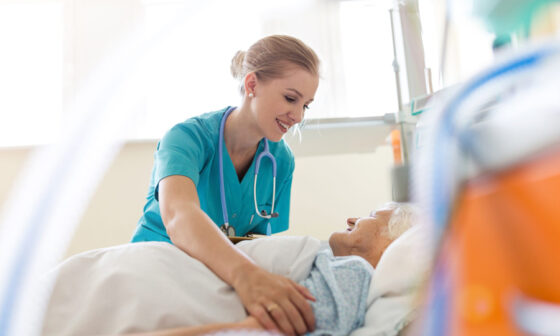
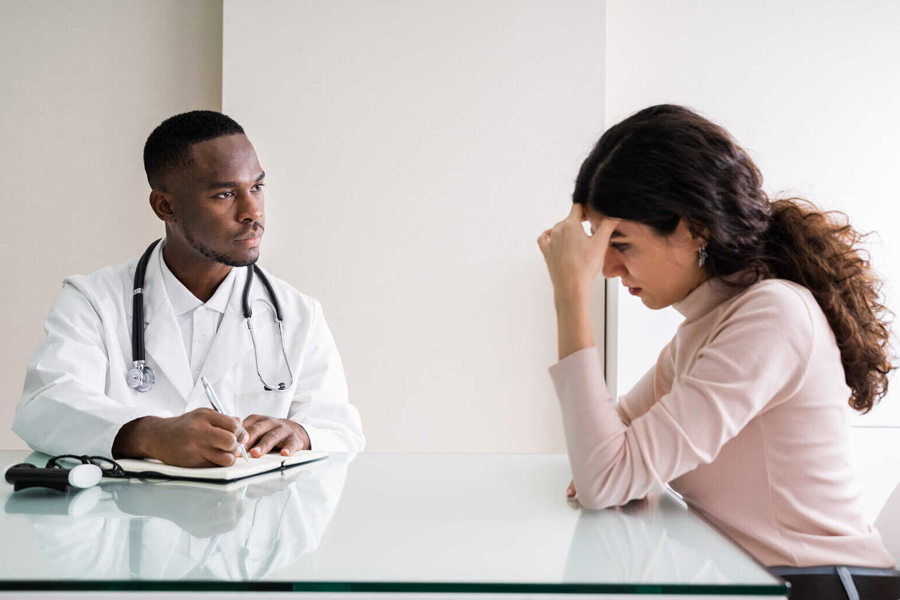
PMHNPs are advanced practice registered nurses who possess specialized training in psychiatric and mental health care. Their education and clinical experience prepare them to assess, diagnose, and treat a broad spectrum of psychiatric disorders, including anxiety, depression, bipolar disorder, and schizophrenia. Importantly, PMHNPs can prescribe medications, provide psychotherapy, and develop intricate treatment plans. This versatility positions them as vital contributors within multidisciplinary mental health teams, allowing them to address both acute and chronic conditions and support patients throughout their recovery journeys.
Expanding Access in Underserved Areas
Access to psychiatric care remains especially challenging in rural and medically underserved areas, where the majority of counties lack even a single psychiatrist. PMHNPs have taken a leading role in closing these gaps, acting as primary mental health providers in regions where specialist care is otherwise unattainable. In states where PMHNPs enjoy full practice authority, they are responsible for a sizable portion of mental health services and management. This increased accessibility results in earlier intervention, improved continuity of care, and overall better mental health outcomes for marginalized populations. For a closer look at trends impacting access and rural healthcare, the Rural Health Information Hub offers relevant data and analysis.
Holistic Approach to Patient Care
One of the distinguishing features of PMHNP practice is its holistic perspective. These advanced practitioners consider not just the patient’s presenting psychiatric symptoms but also their physical health, family dynamics, social environment, and economic factors. By focusing on the “whole person,” PMHNPs can customize care plans that address root causes and enhance overall well-being. This approach is crucial for patients with co-occurring disorders, chronic physical illnesses, or complex psychosocial needs, as it promotes positive treatment responses and lasting recovery.
Collaborative Care and Interdisciplinary Teams
Effective mental health care often requires teamwork. PMHNPs regularly collaborate with psychiatrists, psychologists, primary care physicians, social workers, therapists, and community support organizations. Working in interdisciplinary teams ensures that treatment addresses every facet of a patient’s health, from medication management to counseling to social support services. Such collaboration has been linked to stronger patient engagement, fewer hospitalizations, and better overall outcomes, reinforcing the value of integrated care models in mental health.
Educational Pathways and Certification
Becoming a PMHNP requires a significant investment in education. Prospective practitioners must earn a Bachelor of Science in Nursing (BSN), followed by a Master of Science in Nursing (MSN) or a Doctor of Nursing Practice (DNP) with a specialization in psychiatric-mental health. In addition, they must attain national certification from the American Nurses Credentialing Center (ANCC). Continuing education and specialized training ensure PMHNPs remain current with best practices, regulatory changes, and emerging treatment modalities, all of which are critical to delivering high-quality care.
Policy Advancements and Future Directions
Changes in policy have progressively expanded the scope of practice for PMHNPs in several states. Innovative treatments, such as transcranial magnetic stimulation (TMS) for depression, are now within their clinical purview. Additionally, the ongoing effort to grant full practice authority to more nurse practitioners is increasing their ability to address mental health needs independently. As regulatory barriers decrease, PMHNPs are expected to take on an even greater role in expanding and transforming mental health services nationwide.
Conclusion
Psychiatric-Mental Health Nurse Practitioners are at the forefront of change within the mental health sector. Their expertise in assessment, therapy, medication management, and holistic care makes them essential allies to patients and healthcare teams alike. As mental health needs continue to rise and healthcare systems evolve, PMHNPs will remain vital, helping to ensure high-quality, accessible care for individuals and communities across the country.