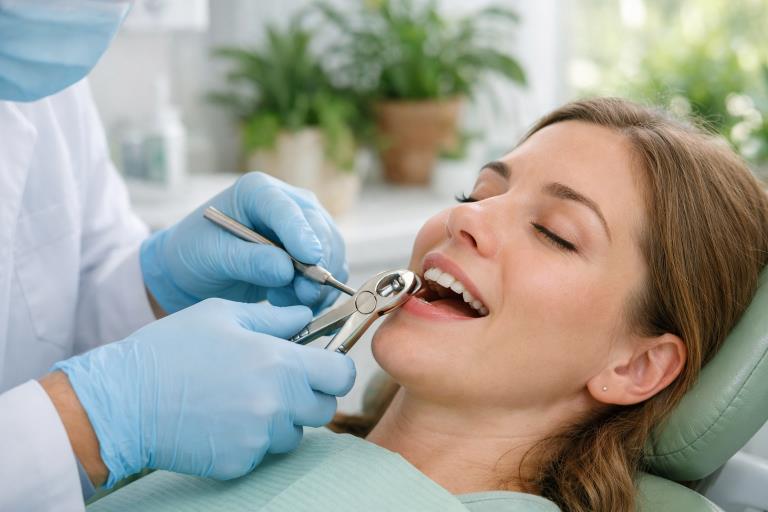
Tooth extractions are a critical aspect of dental care, sometimes necessary to protect not only your oral health but also your overall well-being. While conventional dentistry often focuses on resolving immediate issues, a biological dentist takes a comprehensive view, considering how dental treatments can impact the rest of the body. This holistic perspective emphasizes safe materials, minimally invasive methods, and supports the body’s natural healing processes for optimal recovery.
For those seeking gentle, patient-centered care, understanding how biological dentistry approaches tooth extractions can provide reassurance and clarity. Whether facing an extraction due to decay, gum disease, or orthodontic need, patients can benefit from choosing a practice that integrates biocompatibility, advanced healing techniques, and focuses on overall health outcomes.
At the heart of biological dentistry is the intent to cause the least disruption possible. Preserving healthy tissue whenever feasible and reducing inflammation that may follow an extraction. From preparation through aftercare, practitioners support both dentistry’s technical aspects and the body’s broader health systems.
This article explores the key differences in biological extractions, including commonly used healing accelerants, aftercare tips, and guidance for selecting the right dental practice.
Common Reasons for Tooth Extraction
There are several scenarios where a dentist may recommend tooth extraction to preserve both oral and systemic health. The most frequent causes include:
- Severe Decay:When a tooth’s structure is compromised beyond repair, leaving it in place risks further infection and inflammation.
- Advanced Periodontal Disease:Chronic gum disease can destabilize teeth, causing pain and making extractions necessary to prevent damage to surrounding bone structures.
- Impacted Teeth:Wisdom teeth, or other teeth that become trapped under the gum line, may push against other teeth and cause crowding, discomfort, or cyst development.
- Orthodontic Treatment:Sometimes teeth are extracted strategically before braces or Invisalign to allow for better alignment.
The Biological Approach to Tooth Extractions
Biological dentistry emphasizes minimizing trauma to both the tooth and surrounding tissues during extraction. Every step, from anesthesia to the instruments selected, is chosen for compatibility with the body. This approach also considers the role of oral bacteria and the immune system, working to avoid unnecessary inflammation or introduction of harmful substances.
Unlike traditional methods that may use harsh chemicals or materials that could cause sensitivities, biological dentists prefer natural and non-toxic solutions. Techniques are designed to protect nerve endings, reduce post-procedural pain, and help the extraction site return to health as quickly as possible.
Utilizing PRF and Ozone Therapy in Extractions
Two innovative techniques stand out in holistic dentistry: Platelet-Rich Fibrin (PRF) and ozone therapy. PRF uses a small sample of the patient’s blood, which is processed to separate healing platelets and growth factors. This concentrate is then placed in the socket after extraction, jumpstarting the body’s own tissue regeneration processes and reducing the risk of dry socket or slow healing.
Ozone therapy takes advantage of ozone’s powerful antimicrobial and anti-inflammatory properties. By carefully injecting ozone gas or water into the site, harmful bacteria are neutralized, which lowers the risk of post-extraction infection and helps speed up tissue repair. These approaches can work together, supporting faster recovery and improved comfort for patients.
According to a review from the Harvard Health Blog, such biological strategies offer promising results in reducing post-operative complications and supporting whole-body wellness through dental care.
Post-Extraction Care and Recovery
Effective recovery protocols are essential following any tooth extraction, particularly for patients who value a natural, holistic approach. After an extraction, patients should:
- Avoid heavy lifting or aerobic exercise for a couple of days to prevent dislodging the blood clot that forms in the socket.
- Stick to soft foods like yogurt, soups, and smoothies to lessen irritation at the extraction site.
- Gently brush and rinse the mouth, steering clear of the immediate area but keeping the rest of the mouth clean to discourage infection.
- Use any recommended natural healing aids as provided by your dentist, such as herbal rinses or PRF applications, and attend follow-up visits to monitor progress.
If you have a medical condition or are on medications that affect healing, let your dentist know, as personalized advice may be needed for the safest recovery possible.
Choosing a Biological Dentist for Extractions
When seeking a provider for tooth extraction, it is important to find a dentist who understands the interplay between oral health and general wellness. A biological dentist will prioritize holistic methods, emphasize patient comfort, and use practices that facilitate long-term healing. Ask about their training in advanced healing techniques, familiarity with PRF and ozone therapy, and commitment to biocompatible materials to ensure you are choosing a provider aligned with your health goals.
Conclusion
The biological approach to tooth extractions represents a significant advancement in dental care, focusing on minimally invasive techniques, whole-body health, and cutting-edge healing supports. By understanding these methods and selecting a knowledgeable practice, patients can experience more comfortable procedures and better long-term health. Always research thoroughly and consult reputable sources to inform your choices, and do not hesitate to ask questions until you find a provider and treatment plan that feels right for you.