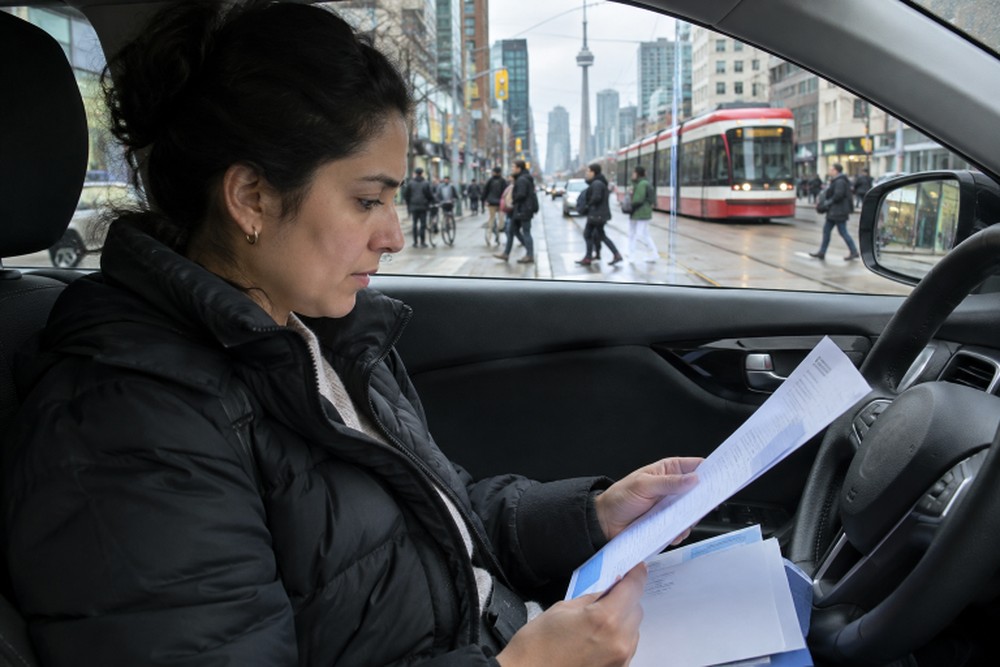
Driving in Toronto means navigating busy expressways, streetcar corridors, downtown construction, winter weather, and neighborhood streets shared with cyclists and pedestrians. Those everyday conditions can influence both the coverage a driver needs and the price they pay. Reviewing Toronto car coverage with local risks in mind can help drivers look beyond the monthly premium and focus on practical protection.
A policy that works well for a weekend driver in Scarborough may not suit someone who commutes daily from Etobicoke to the Financial District. Mileage, parking arrangements, vehicle type, household drivers, and the ability to manage without a car after a loss can all shape a sensible insurance decision.
Why Toronto Auto Insurance Deserves a Closer Look
Urban driving creates a different exposure than driving primarily in a smaller community. Toronto motorists may spend more time in stop-and-go traffic, make frequent short trips, search for parking, and encounter lane closures or changing road layouts. More time on the road generally increases the risk of a collision or vehicle damage, even for careful drivers.
Premiums are not determined by a city name alone; regional claims patterns also matter. The Financial Services Regulatory Authority of Ontario reported that the average annual premium in the GTA was $2,868 as of June 2026, compared with $2,218 across Ontario. Those figures provide useful context, not a personal quote. A driver’s record, vehicle, address, coverage choices, and annual kilometers can yield very different results.
What Shapes a Toronto Driver’s Premium?
Insurers consider several factors when pricing a policy. A clean driving history is valuable, but it is only one part of the picture. Common considerations include:
- Driving experience, convictions, at-fault accidents, and claims history.
- The address where the vehicle is normally kept overnight.
- Annual kilometers, commuting distance, and business use.
- The vehicle’s make, model, age, repair costs, and theft exposure.
- Selected deductibles, liability limits, and optional coverages.
- The number of listed drivers and vehicles in the household.
- Payment arrangements and continuous insurance history.
Accuracy matters. If a move, a new job, a change in commute, or a new household driver changes how a vehicle is used, the insurer should be notified promptly. Keeping information current helps avoid surprises when renewing or making a claim.
Required and Optional Coverage
Coverage Included in a Standard Ontario Policy
Ontario auto insurance includes third-party liability coverage, accident benefits, uninsured automobile coverage, and direct compensation for property damage in qualifying Ontario collisions. Drivers must carry at least $200,000 in third-party liability coverage, although higher limits are available. Liability coverage can respond when a driver is legally responsible for injury, death, or property damage caused to others.
Accident benefits can provide support for injuries from an automobile accident, regardless of who caused it. Uninsured automobile coverage can help when an insured person is injured by an uninsured or unidentified motorist. Direct compensation for property damage generally applies when another insured driver is at fault in an Ontario collision, although policyholders can make a written election not to recover under that coverage.
Optional Protection to Consider
- Collision or upset coverage: Helps cover damage to your vehicle from a crash or rollover.
- Comprehensive coverage: Can cover losses such as theft, vandalism, fire, or weather-related damage, subject to the policy.
- Loss-of-use coverage: May help with temporary transportation after an insured loss.
- Accident forgiveness: May be available for eligible drivers and policies.
- Waiver of depreciation: May be available for qualifying newer vehicles.
- Higher liability limits: Can provide more protection than the legal minimum.
Ontario’s 2026 Accident Benefits Changes
Ontario’s rules changed on July 1, 2026. Medical, rehabilitation, and attendant care benefits remain mandatory, while several other accident benefits became optional for policies entered into or renewed after that date. The rules governing statutory accident benefits set out how existing benefits continue as optional coverage at renewal unless the named insured and insurer agree in writing to decline or change them.
Optional benefits can include income replacement, non-earner, caregiver, housekeeping and home maintenance, death and funeral, and other benefits. This makes a renewal conversation more important. A lower premium may reflect reduced protection, so drivers should consider employment income, caregiving responsibilities, dependents, workplace benefits, and available savings before making selections.
Toronto Risks That Can Affect Coverage Needs
Coverage decisions should reflect how and where the vehicle is used. A car parked outdoors on a busy downtown street may face different risks from one kept in a private suburban garage. Comprehensive coverage may deserve closer consideration where theft, vandalism, falling debris, or weather damage would be difficult to absorb out of pocket.
Loss-of-use coverage can also vary in value across the city. A driver with easy TTC access, a nearby car-share option, or a second household vehicle may be comfortable with limited alternatives. Someone who relies on a single vehicle for a long commute, caregiving, or essential work may place greater value on temporary transportation following an insurance claim.
Practical Ways to Lower Insurance Costs
- Compare quotes using the same limits, deductibles, and optional coverages.
- Ask whether approved winter tires qualify for a discount.
- Consider usage-based insurance only if the program and privacy terms suit your driving habits.
- Bundle eligible home, tenant, and auto policies.
- Review multi-vehicle options when more than one vehicle is insured under the household policy.
- Choose a deductible that would be manageable after a claim.
- Keep mileage estimates, commuting details, and driver information accurate.
- Ask about eligible driver-training and payment options.
The cheapest policy is not automatically the best value. Removing collision or comprehensive coverage may lower the premium, but it can leave the owner responsible for replacing or repairing their vehicle after a covered loss.
How to Review a Policy Before Renewal
A useful annual review can often be completed in less than an hour. Confirm the overnight parking address, listed drivers, vehicle use, commute, and annual kilometers. Then check liability limits, deductibles, rental vehicle coverage, and the value of collision and comprehensive coverage relative to the vehicle’s current value.
For 2026 renewals, review accident benefit selections carefully and request a side-by-side comparison before accepting any changes. It is especially important to understand what is included, what is optional, and who is covered under each benefit.
Common Questions From Toronto Drivers
Is Toronto auto insurance always more expensive?
Not always. Toronto and GTA driving conditions can affect regional pricing, but an individual’s premium depends on many personal and policy-specific factors.
Does a clean record guarantee a low price?
No. A clean record can help, but vehicle repair costs, theft exposure, mileage, address, selected coverage, and other rating factors still matter.
Should every driver buy comprehensive coverage?
Not necessarily. The decision should reflect the vehicle’s value, parking situation, theft concerns, and the driver’s ability to replace the vehicle after a loss.
What should happen after moving within Toronto?
Notify the insurer about the new address and any related changes to parking, commuting, or vehicle use. A move from a garage to street parking, for example, may be relevant to the policy.
Final Takeaway
A strong Toronto auto insurance plan balances legal requirements, local driving realities, and personal finances. Comparing equal coverage, updating policy details, and reviewing 2026 accident benefit choices can help drivers find meaningful value without creating avoidable gaps in protection.