Renewing auto insurance should involve more than paying the new premium and filing the documents away. It is an opportunity to identify coverage gaps before a crash, theft, or storm turns a small oversight into a costly problem. A thoughtful review is an important part of protecting drivers on the road, especially for Florida households that face busy highways, seasonal traffic, heavy rain, and hurricane-related risks. Even drivers who have not made an insurance claim recently may have reasons to update a policy. A new job, a longer commute, a teen driver, a paid-off vehicle, or a move to a different neighborhood can all change the level of risk a household carries. Reviewing those details annually helps ensure the policy reflects real-life circumstances rather than last year’s.
Start With the Renewal Notice
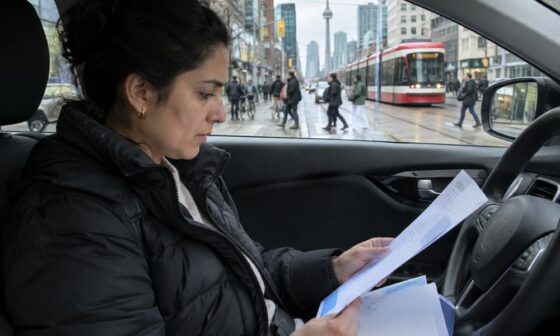
Set your renewal documents beside the current declarations page and compare them line by line. Pay close attention to the new premium, policy term, listed vehicles and drivers, coverage limits, deductibles, available discounts, and any new surcharge. If the price changed, ask whether the reason is a coverage adjustment, a change in rating information, a discount expiration, or a broader pricing change. Also, read policy notices rather than assuming all terms remain identical. Repair procedures, rental reimbursement limits, roadside assistance rules, and exclusions can matter when a claim happens. A policy that costs less may offer fewer benefits or impose a deductible that would be difficult to pay after an emergency. Households that own a motorhome, camper, or travel trailer should also make a separate review part of their renewal routine. Vehicle use, storage location, personal belongings, and vacation travel can create different concerns, which is why RV insurance deserves attention alongside a standard auto policy.
Check Florida’s Required Coverage
Florida generally requires registered vehicle owners to carry $10,000 in personal injury protection (PIP) and $10,000 in property damage liability coverage. PIP can help pay certain medical expenses and related losses for covered people after an accident. In contrast, property damage liability can help pay for damage a driver causes to another person’s vehicle or property. Those minimums are only a starting point. A newer vehicle, multiple damaged cars, a fence, a building, or other property can easily exceed a $10,000 property damage limit. Ask an insurance professional how bodily injury liability, uninsured or underinsured motorist coverage, and medical payments coverage could fit your household’s situation.
Review Liability Limits With Your Financial Picture in Mind
Liability coverage is designed to help when you are legally responsible for injuring another person or damaging their property. A serious collision may involve medical treatment, lost income, legal defense costs, and long-term financial consequences. Review your limits in light of income, savings, property, and other assets that could be exposed after a major claim. Consider whether your risk profile has changed. A teen driver, frequent interstate commute, high annual mileage, or regular travel through crowded urban areas can all be reasons to revisit limits. Households with substantial assets may also want to ask whether an umbrella policy provides an additional layer of liability protection.
Recheck Collision and Comprehensive Coverage
Collision coverage generally helps pay to repair or replace your vehicle after a crash with another vehicle or object. Comprehensive coverage generally addresses non-collision losses, such as theft, fire, falling objects, animal strikes, vandalism, and certain weather-related damage.
Questions to Ask Before Changing These Coverages
- What is the vehicle worth in its current condition?
- Could the household afford to replace it after a total loss?
- Is the deductible manageable without borrowing money?
- Does a lender or lease agreement require collision or comprehensive coverage?
- Would storm debris, theft, or flooding create a meaningful financial loss?
Account for Florida Weather and Road Conditions
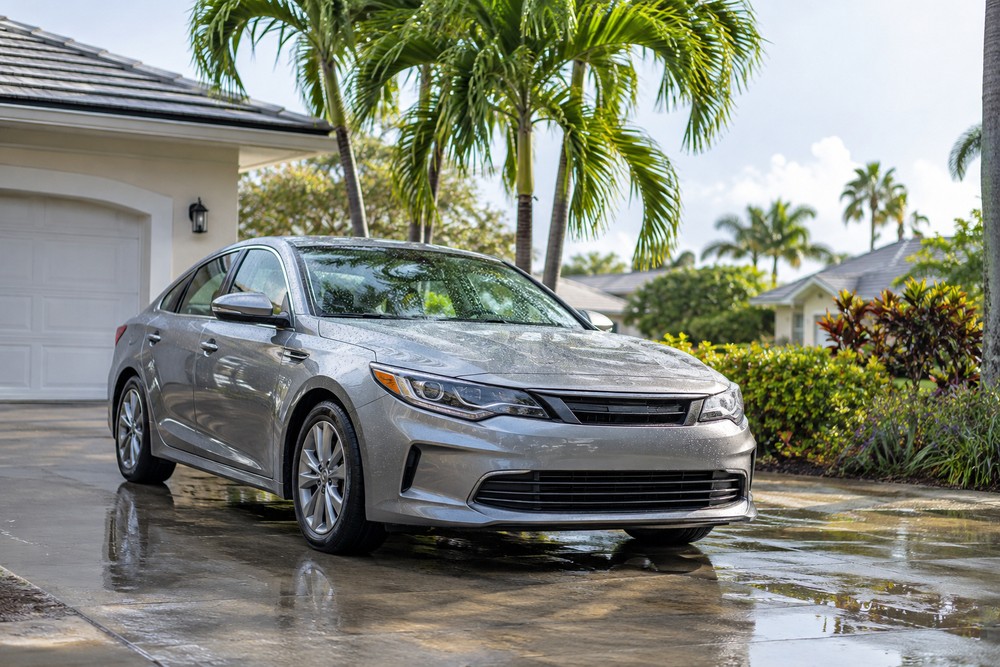
Florida drivers may encounter sudden downpours, reduced visibility, standing water, wind-blown debris, and more congested roads during seasonal travel periods. Before hurricane season, review comprehensive coverage, deductible amounts, rental reimbursement, and the process for reporting a weather-related claim. Keep photos of the vehicle and receipts for major accessories or upgrades in a secure digital location. It is also wise to prepare for an unexpected claim before one occurs. Save the insurer’s claims contact information, keep registration and proof of insurance accessible, and store repair estimates, photos, receipts, and claim messages in one folder. After a crash, exchange relevant information, document the scene when it is safe, and report the incident promptly in accordance with the policy’s instructions.
Update Driver and Vehicle Details
Accurate policy information can help prevent billing surprises and claim complications. Confirm that all household drivers are listed correctly, remove drivers who no longer live in the home when appropriate, and report newly purchased, sold, leased, or financed vehicles. Update your address, regular parking location, primary vehicle use, and estimated annual mileage after a move, retirement, job change, or remote-work transition. Families should also check whether young drivers qualify for a good-student, driver-training, or safe-driving discount. Safety features such as anti-theft devices, airbags, and automatic emergency braking may also be relevant to available discounts, depending on the insurer and vehicle.
Ask About Discounts Without Reducing Necessary Protection
Discounts can be worth exploring, but they should not be mistaken for a reduction in coverage. Ask about multi-vehicle, bundled-policy, low-mileage, defensive-driving, safe-driver, and vehicle-safety-feature discounts. If considering a telematics or usage-based program, ask what driving data is collected, how it is used, and whether participation could affect future pricing.
Compare Policies Carefully
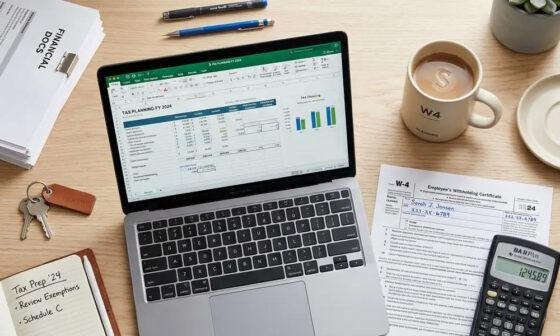
Comparing quotes is most useful when each quote uses the same liability limits, uninsured motorist options, collision and comprehensive deductibles, and optional coverages. Florida’s sample average rates by county and driver profile can serve as a starting point for shopping. Still, personal quotes may differ because insurers consider individual vehicles, drivers, coverage selections, and other rating factors. Before switching, review rental reimbursement limits, roadside assistance, repair-part provisions, exclusions, and cancellation timing. Never cancel an existing policy until the replacement coverage is confirmed active. A lapse can create legal and financial problems, even if it lasts only a short time.
Strengthen Safe-Driving Habits
Insurance renewal is also a useful prompt to review driving habits. In 2024, distracted driving crashes involving distracted drivers killed 3,208 people in the United States, according to federal distracted-driving safety data. Put phones on do-not-disturb before driving, set navigation before leaving, allow extra following distance in rain, and avoid driving while impaired or overly tired.
A Simple 15-Minute Renewal Checklist
- Read the complete renewal notice and declarations page.
- Confirm drivers, vehicles, addresses, mileage, and vehicle use.
- Review liability limits against current finances and responsibilities.
- Check collision and comprehensive deductibles.
- Ask about discounts without removing important protection.
- Compare at least two options with matching coverage.
- Save final policy documents and claims contact details.
Conclusion
A Florida auto insurance renewal is a practical opportunity to ensure your coverage still matches the road ahead. By reviewing limits, deductibles, household details, weather exposure, discounts, and safe-driving habits, drivers can make more informed choices before an accident or loss puts the policy to the test. It is also worth checking whether changes in vehicles, drivers, addresses, annual mileage, or commuting patterns could affect the policy. Reviewing available coverage options can help identify areas that may no longer fit current needs or situations that deserve further discussion with an insurance professional. Drivers should also keep policy documents and contact information organized so they can access important details when needed. Taking time to review the policy before renewal can provide a clearer understanding of what the coverage includes and where adjustments may be appropriate.