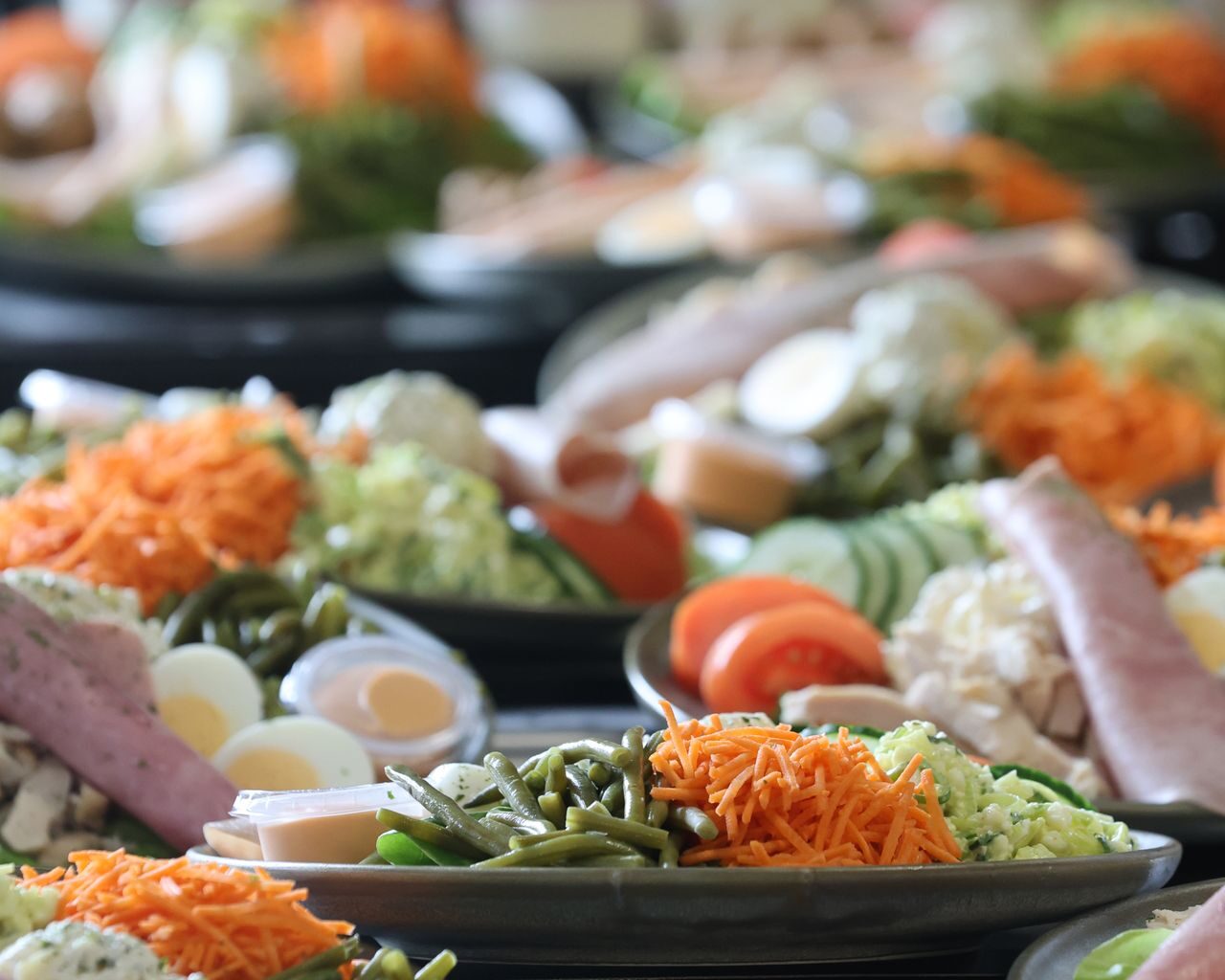
Catering represents one of the most lucrative revenue streams for modern restaurants, yet many establishments overlook the operational complexities that separate successful catering from their standard dine-in service. When a restaurant commits to an off-site catering event, it transforms into a mobile operation with unique logistical, staffing, and quality control challenges. Understanding these dynamics is essential for any restaurant operator looking to expand beyond their four walls and tap into this growing market segment.
Understanding Your Catering Capacity
Before accepting any catering proposal, your restaurant must have an honest assessment of your kitchen’s production capabilities alongside your standard service obligations. Catering events require advance preparation, specialized equipment, and dedicated personnel that might not be available during your busiest lunch or dinner rush. Many restaurants fail their catering clients because they overcommit and then sacrifice quality in their main dining room to fulfill an off-site obligation. Knowing your true capacity prevents you from accepting events that will strain your resources and damage both your reputation and your kitchen team’s morale. Start by calculating how many additional covers your kitchen can realistically handle on any given day without compromising your core business. This honest assessment becomes your foundation for sustainable catering growth.
Menu Planning and Customization
Catering menus require different thinking than restaurant menus because guests eat at different times, in different environments, and often without table service staff managing timing. Your signature dishes might not translate well to a buffet or plated service format, and some items deteriorate quickly when held at serving temperatures. Work with your catering coordinator and head chef to develop a curated selection of dishes that travel well, hold temperature effectively, and can be prepared in advance without losing quality. Offer clients meaningful options within your defined menu rather than promising complete customization, which strains your kitchen and increases costs. Dishes like braised proteins, grain-based salads, roasted vegetables, and composed plates tend to fare better than delicate preparations that require last-minute assembly. Communication with clients about what your restaurant does best sets realistic expectations and prevents disappointment on event day.
Staffing and Training Requirements
Catering events demand staff trained specifically for off-site service, which differs significantly from traditional restaurant service. Your catering team needs to understand setup protocols, food safety during transport, proper holding temperatures, and how to adapt to unfamiliar spaces and equipment. This might mean hiring dedicated catering staff or extensively training existing team members on procedures they will not use during regular restaurant operations. Assign clear roles before any event begins so that everyone knows their responsibilities from setup through breakdown. Your head chef or kitchen manager should visit the event venue beforehand to inspect the kitchen facilities, confirm equipment availability, and establish a timeline that works within the venue’s constraints. Thorough preparation and trained staff transform catering events into showcases for your restaurant rather than sources of stress.
Managing Logistics and Transportation
Moving food safely from your kitchen to an off-site location requires careful planning around temperature control, food safety regulations, and practical transportation challenges. Invest in proper equipment like insulated containers, hot boxes, and cold storage solutions designed for catering operations rather than improvising with whatever is available. Pack items strategically so that foods requiring heating arrive ready for final preparation, and cold items maintain proper temperature throughout transport and service. Establish a checklist system to ensure nothing is forgotten and that all components of the meal travel together. Arrive at the venue with adequate time for setup before guests arrive, and always carry backup supplies for common issues like missing serving utensils or damaged items. Proper logistics mean the difference between a smoothly executed event and a chaotic situation that reflects poorly on your restaurant.
Pricing Catering Appropriately
Many restaurants underprice catering to win business, not realizing that off-site events carry overhead costs that restaurant meals do not. You must factor in staffing, transportation, specialized equipment, higher food waste, delivery time, setup and breakdown, and the risk of spoilage or last-minute cancellations. Build pricing models that account for these realities rather than simply adding a markup to your restaurant menu prices. Corporate clients and event planners searching for affordable food delivery in Irvine, CA often compare multiple vendors simultaneously, and platforms like Picnic help connect those clients with restaurants that price their services competitively and transparently. Communicate openly with clients about what drives your pricing so they understand the value your restaurant provides. Consider offering different service levels and menu tiers so clients can choose options that align with their budget.
Building Strong Client Relationships
Your catering clients are potential repeat customers and powerful sources of word-of-mouth referrals when they have positive experiences. Maintain detailed records of client preferences, dietary restrictions, event dates, and any special requests so that subsequent events reflect what clients already appreciated. Follow up after each event to gather feedback and address any concerns before they affect your reputation. A client whose first catering experience exceeds expectations becomes a reliable revenue source for future events and regularly refers new clients to your restaurant. Tracking these relationships over time also provides scheduling stability, since confirmed catering bookings can offset slower periods in your regular dining room.
Conclusion
Catering success requires your restaurant to think beyond menu and pricing to embrace the operational complexities of off-site service. From realistic capacity planning and menu development through staffing, logistics, and transparent pricing, every element demands careful attention. Restaurants that master these fundamentals transform catering from an occasional obligation into a significant revenue channel that enhances rather than diminishes their core business.