Saddle-stitched booklets are a cost-effective, versatile solution for a wide range of business needs, offering a clean, polished presentation for everything from marketing brochures to instructional manuals. Leveraging professional saddle stitch binding allows businesses to create well-organized and visually appealing documents without straining their budget. This article dives into the advantages of saddle-stitched booklets and details how they can be utilized across different business contexts. The affordability and quick production turnaround of these booklets make them a smart choice for companies looking to distribute information efficiently. Because they lie flat when opened, saddle-stitched booklets also enhance readability, making them an excellent option for event programs, catalogs, and beyond. Their lightweight nature makes them easy to distribute at conferences or through direct mail. For companies considering their next printed project, understanding the distinct benefits of saddle-stitched booklets will help them select the right format. This comprehensive guide will also address best practices for design and highlight any limitations you should keep in mind before ordering a large batch of materials. With these insights, every organization can make the most of this practical binding method, maximizing value for both its brand and its audience.
What Is Saddle Stitch Binding?
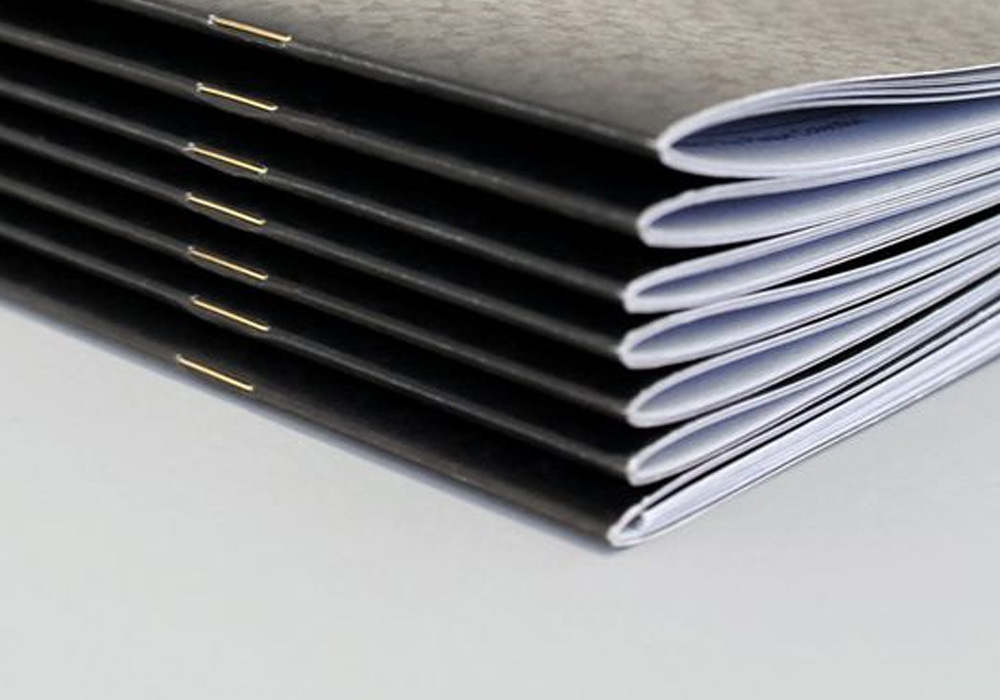
Saddle stitch binding is a popular method for assembling booklets by folding sheets of paper in half and securing them with staples along the fold. The process produces a compact, lightweight booklet, ideal for documents with a page count divisible by four. Generally, saddle-stitched booklets are used for publications ranging from 8 to 64 pages. This format’s simplicity translates into practicality, as booklets open flat for easy reference and are convenient to handle and transport. Their versatility extends to education, marketing, and internal business communications. An additional advantage is that saddle-stitched booklets allow for quick updates and revisions due to their straightforward production process. This makes them an optimal solution when information changes frequently, such as quarterly menus, seasonal promotions, or new product guides, helping businesses remain agile and responsive to market demands.
Advantages of Saddle-Stitched Booklets
- Cost-Effective:Saddle stitching is one of the most budget-friendly binding options, relying on minimal materials and labor. This appeals to organizations that want high quality without paying premium costs or when planning a recurring print schedule.
- Efficient Production:The simplified process involved in saddle stitching leads to quick turnaround times. This makes it favorable for last-minute projects or timely campaigns.
- Polished, Professional Look:Despite its cost-effectiveness, the finished product presents a crisp edge and a refined aesthetic, ensuring a strong first impression for clients and stakeholders.
- Flat Lay Design:Booklets bound this way naturally open flat, providing ease of use for readers who want to view two pages at once or jot down notes. This feature is especially valuable for instructional content or when clarity is critical.
Saddle-stitching also fosters a sense of engagement, as the tactile experience of flipping through a high-quality booklet stands out in the age of digital content. Clients and prospects are more likely to remember your message when it’s delivered in an attractive, easy-to-read printed format.
Common Business Applications
Saddle-stitched booklets can be seen across a wide variety of business tasks:
- Marketing Brochures:Companies can showcase their products or services in a punchy, attractive format.
- Product Catalogs:These booklets allow for detailed cataloging of goods, complete with vivid imagery and helpful descriptions.
- Event Programs:Distribute schedules, maps, speaker lists, and logistical information at corporate events, conferences, or community gatherings.
- Instruction Manuals:Businesses can provide concise, step-by-step instructions for product operation, training, or customer support needs.
Beyond these industries, non-profits, educational institutions, and creative agencies also depend on saddle-stitched booklets to reach their target audiences effectively.
Design Considerations
Getting the most from saddle-stitched booklets means paying attention to several important design elements:
- Page Count:Always ensure your final page count is a multiple of four. This is essential for the folding and stapling process, and missteps can result in blank pages or misaligned content.
- Margins and Bleed:Keep key text and graphics away from the inner fold so they are not lost in the binding. Use appropriate bleed settings to ensure color and images print to the edge without being cut off.
- Paper Quality:Select stock that enhances the purpose of your booklet, whether you require high-gloss pages for marketing materials or heavier paper for durability in frequently handled instruction manuals.
Thoughtful design not only boosts visual appeal but also improves the user experience, ensuring your audience receives information clearly and professionally. Additionally, consider incorporating interactive elements such as QR codes or call-out sections to guide readers to digital resources or promotional offers. This creates a bridge between print and digital engagement, combining the best features of both formats for a richer audience experience.
Limitations to Consider
Saddle-stitch binding has a few constraints compared to other binding types:
- Page Limitations:This method works best for documents under 64 pages. Exceeding this range can lead to bulky, unevenly finished booklets and may compromise their durability.
- No Printable Spine:Unlike perfect-bound booklets, saddle-stitched options cannot have information or branding printed on the spine, making them less suitable for library-style storage or where spine visibility is a requirement.
Understanding these considerations helps businesses make well-informed decisions about which binding method aligns with their goals and distribution plans. Despite these limitations, saddle-stitch binding remains highly popular due to its convenience and cost savings. For projects that fall within appropriate size limits, there are few solutions as efficient or visually reliable, ensuring important content is delivered in a stylish package.
Conclusion
Saddle-stitched booklets deliver an affordable, efficient, and professional solution for presenting information across a wide range of applications. Their clean appearance, lightweight design, and ease of use make them a top choice for business projects, including product catalogs, event programs, company brochures, training manuals, and promotional materials. They are particularly well-suited for shorter publications, offering a polished look without the higher costs associated with more complex binding methods. By assessing the unique advantages and limitations of this binding option, organizations can confidently choose the right format for their next print initiative. When paired with high-quality printing, thoughtful layouts, and durable paper stock, saddle-stitched booklets offer an attractive, practical, and cost-effective way to convey information while leaving a positive, lasting impression on readers.