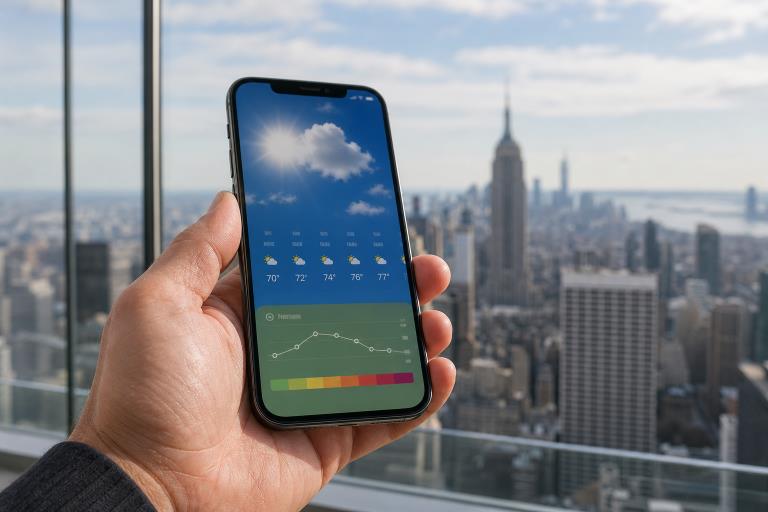
An NYC observation deck visit can be a highlight of a first trip or a fresh way for returning visitors to see the city. The best experience starts before you enter the elevator: choose a convenient time slot, map your route, and decide whether you want daylight views, sunset colors, or the glow of the city after dark. If your plans are firm, you can buy tickets today. It is easy to treat a skyline stop as a quick attraction, but it can shape an entire afternoon or evening. A delayed subway, a crowded security line, unexpected rain, or dinner reservations across town can make a carefully planned visit feel rushed. Leave room in the schedule so the view feels like the destination, not another appointment.
Pick The Right Time Of Day
Every time window offers a different version of New York. Morning often feels calmer and offers softer light, especially after a clear overnight forecast. Midday delivers bright, detailed views that work well for families or visitors who can fit several attractions into one day. Sunset is popular because it can combine daylight, golden-hour color, and nighttime lights in one visit, but it commonly brings more demand. Night offers dramatic streets, illuminated bridges, and a city that appears endless. Check the exact sunset time for your date, then aim to arrive well before it. Arriving at the precise minute of sunset may leave you in line or still moving through exhibits when the best color appears. For photographers and couples, arriving 45 to 60 minutes early usually creates a less stressful window for lighting.
Check Weather And Air Conditions Before Leaving
Clear skies matter, but visibility is affected by more than rain. Low clouds can hide upper floors, humidity can soften distant buildings, wind can make an outdoor deck feel much colder than street level, and haze or smoke can flatten the skyline. Check the local forecast and air quality conditions on the day of your visit, particularly during warmer months when visibility can change quickly. Bring a light layer even in summer, plus water and sun protection for daytime outdoor viewing. If conditions look poor, keep an indoor alternative nearby, such as a museum, market, café, or historic lobby. A backup plan protects the rest of the day even if the view is limited.
Plan The Route Before The Visit
- Save the venue address and nearest entrance in your map app.
- Identify a subway, bus, walking, or rideshare option.
- Allow extra time for station stairs, transfers, crowded sidewalks, and rush hour.
- Choose a meeting point in case your group gets separated.
- Save an offline map and reservation confirmation on your phone.
A ten-minute map estimate can become 20 minutes in Midtown or near a major event. Visitors coming from airports, Broadway theaters, museums, sports venues, or hotels should check service changes before leaving. The MTA’s trip-planning tools can help you spot subway and bus disruptions before they become a surprise.
Compare Ticket Options Carefully
Do not compare tickets by the headline price alone. Review whether the entry is fixed-date or flexible-date, whether the experience includes indoor and outdoor spaces, and whether priority entry is worth it for your schedule. Also check multi-entry options, rescheduling rules, weather policies, booking charges, and refund restrictions. The least expensive ticket can be the right choice for a traveler with a stable itinerary. A more flexible option may be better for visitors juggling flights, shows, family needs, or unpredictable weather. Read the full terms before paying, then save the confirmation details where everyone in your group can access them.
Build A Skyline-Friendly Day Around The Visit
For First-Time Visitors
Start with a neighborhood walk or landmark in the morning, choose an indoor museum or attraction around midday, then schedule the deck for late afternoon. Finish with dinner within walking distance so you do not spend the evening crossing town again.
For Families
Pick a route with fewer transfers, plan a snack before entry, and make restroom stops before the security line. Keep one short indoor activity in reserve if children become tired or the weather shifts.
For Couples And Photographers
Arrive before your preferred light, not at the last possible minute. Bring only compact equipment permitted by the venue, photograph a few wide views, then look for tighter compositions such as bridges, water towers, rooftop geometry, and long avenues disappearing into the distance.
Use The Skyline As A Visual Guide
Spend a few minutes looking before taking photos. Identify rivers, parks, bridges, major avenues, and the contrast between older masonry buildings and newer glass towers. Notice how Manhattan’s street grid changes around parks and lower downtown, and how the skyline shifts when you look toward Brooklyn, Queens, New Jersey, or the harbor. A city map can turn the view into an easy geography lesson for adults and children alike.
Keep Costs And Comfort In Check
Set a total budget that includes admission, booking fees, transportation, food, drinks, souvenirs, and any nearby attractions. Balance a paid observation deck with lower-cost experiences such as waterfront promenades, public parks, pedestrian bridges, and ferry rides. No single viewpoint shows every landmark equally well, so choose the angle that best matches what you most want to see. Before booking, confirm step-free access, elevator availability, seating, service-animal rules, restrictions on bags or camera gear, and policies for medication or mobility aids. Travelers with sensory, medical, or accessibility needs should contact the venue directly in advance rather than relying on assumptions.
Final Planning Checklist
- Choose your preferred viewing time and check sunset timing.
- Review the same-day weather, visibility, and air quality.
- Confirm ticket conditions, entry rules, and accessibility details.
- Plan transportation with extra time built in.
- Pack layers, water, a charged phone, and a clean camera lens.
- Schedule a nearby meal or indoor backup activity.
Conclusion
A great NYC observation deck visit is about more than reaching a high floor. Smart timing, realistic transit plans, flexible tickets, comfortable clothing, and a nearby backup option help turn a skyline view into a relaxed and memorable part of the trip. Check the weather before leaving, especially if you are hoping for clear views or sunset photos, and allow extra time for security lines and crowded entrances. Consider visiting earlier or later in the day if you prefer a quieter atmosphere. Once at the top, take time to enjoy the view instead of rushing through photographs. A simple plan can also include a nearby café, park, or landmark before or after your visit. With a little preparation and flexibility, an observation deck can become one of the highlights of your New York City itinerary rather than another rushed stop on a busy sightseeing schedule.