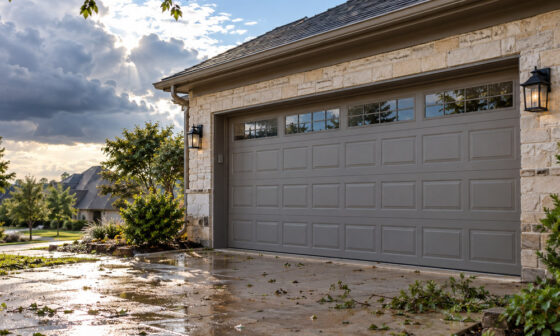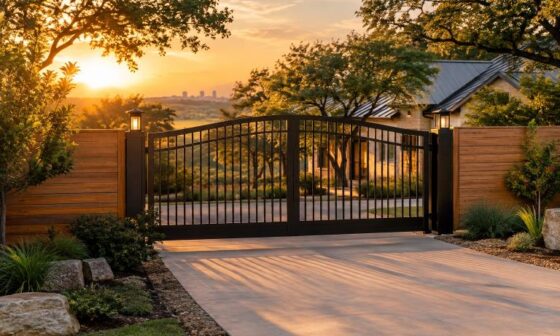
Outdoor lighting can improve much more than the appearance of a house after sunset. The right fixtures can make steps easier to see, guide guests toward the entrance, extend the hours you can use a patio, and bring landscaping and architectural details back into view at night.
The challenge is deciding what actually needs to be illuminated. Adding lights everywhere can increase installation costs, create glare, and make the property feel unnecessarily bright. A better approach is to start with the way people use the exterior space and then choose different lighting solutions for different areas.
Whether you are updating an existing system or adding exterior lighting for the first time, a simple plan can help you create a more comfortable result without buying more fixtures than you need.
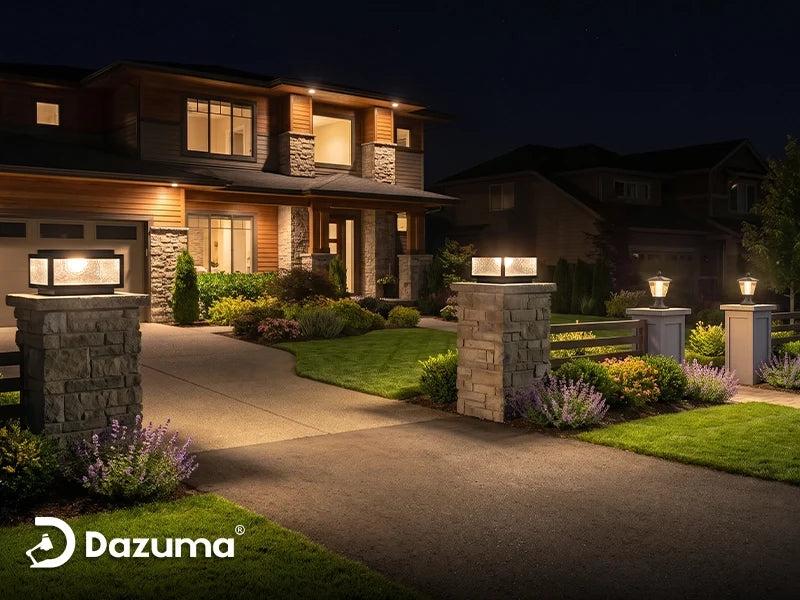
A balanced outdoor lighting plan uses different fixtures for entrances, movement areas, landscaping, and outdoor living spaces.
Start With the Areas That Need Light Most
Before shopping for fixtures, walk around the property after dark. Pay attention to places where you slow down, reach for your phone flashlight, or have difficulty seeing changes in the ground.
Entrances, stairs, paths, driveways, gates, and transitions between different levels are usually the first priorities. These areas benefit from reliable illumination because they are part of everyday movement around the home.
Next, consider spaces where people spend time rather than simply pass through. Patios, decks, outdoor kitchens, and seating areas may need a combination of ambient and task lighting. Finally, identify decorative features such as trees, stone walls, planting beds, or architectural details that could benefit from accent lighting.
Separating these needs makes it easier to avoid the common mistake of trying to solve every outdoor lighting problem with the same fixture.
Use Different Fixtures for Different Jobs
Exterior lighting works best when each fixture has a clear purpose.
Wall-mounted lights are useful around doors, garages, and porches. Path lights provide lower-level guidance along walkways and garden routes. Bollard lights can define larger paths and driveways, while spotlights and in-ground fixtures can highlight trees, walls, and other landscape features.
Homeowners comparing a broader range of Outdoor Lighting can look at several fixture categories together before deciding which types belong in each part of the property.
The fixtures do not need to match exactly. Repeating a similar finish, shape, or color temperature is often enough to make different types of lighting feel coordinated.
Layer Light Instead of Depending on One Bright Source
A single bright floodlight can illuminate a large area, but it does not necessarily make that space pleasant to use.
Layering several lower-intensity lights generally produces a more comfortable result. For example, a patio might combine wall lighting near the door, lower landscape lights around nearby plants, and more focused illumination near a grill or preparation surface.
The same principle applies to a front yard. A porch light can identify the entrance, path lights can guide visitors from the driveway, and one carefully positioned landscape fixture can highlight a tree or architectural feature.
Each layer performs a separate task, which means no single fixture has to be excessively bright.
Keep Glare Under Control
Brightness should not be confused with visibility. A very bright exposed light source can cause glare, making the darker areas around it harder to see.
For walkways and entrances, fixtures that direct light downward or shield the brightest part of the lamp are often more comfortable. Around seating areas, softer or diffused lighting can provide enough illumination for conversation without creating the feeling of sitting beneath a spotlight.
It is worth testing fixtures after dark before finalizing their position. View them not only from the yard but also from important indoor windows and neighboring areas. A small adjustment in angle can sometimes solve a glare problem without reducing useful light.
Know Where Solar Lighting Makes Sense
Not every part of the yard needs to be connected to a permanent wired system. Solar fixtures can provide a convenient alternative in locations that receive enough daylight to recharge effectively.
They are particularly useful for garden borders, secondary pathways, decorative planting areas, and parts of the yard where installing new cable would be inconvenient. They can also be helpful when homeowners want to experiment with fixture placement before committing to a more permanent layout.
A selection of Solar Outdoor Lighting can include different fixture formats for walls, paths, gardens, and other exterior locations, giving homeowners options where access to conventional wiring may be limited.
Solar lighting does have limitations. Performance depends on available sunlight, weather, battery capacity, fixture design, and seasonal conditions. A heavily shaded side yard may not provide enough charging exposure for dependable nighttime operation.
For critical entrances and frequently used walking routes, a wired or low-voltage system may still provide greater consistency. Solar and wired lighting can also be combined rather than treating them as competing choices.
Pay Attention to Color Temperature
Light color has a strong influence on how an outdoor space feels.
Warmer illumination generally works well around residential architecture, timber, brick, stone, and green landscaping. It can create a relaxed atmosphere around patios and entrances while allowing outdoor areas to feel visually connected to warmly lit interiors.
Cooler illumination may appear sharper, but using dramatically different color temperatures across the same exterior can make the property look inconsistent.
Try to keep fixtures within the same visual zone reasonably similar in tone, even if the fixtures themselves are different styles.
Choose Fixtures for the Conditions They Will Face
Exterior lighting must deal with conditions that indoor fixtures never encounter. Depending on location, a light may face rain, irrigation, dust, strong sunlight, heat, cold, or prolonged moisture.
Always verify that a fixture is suitable for its intended installation area. A light mounted beneath a covered porch experiences very different exposure from an in-ground fixture next to a sprinkler system.
Materials and finishes should also suit the local environment. Coastal locations, for example, may place different demands on exterior metals than dry inland climates.
Installation access should be considered as well. Plants grow, soil shifts, and fixtures eventually need cleaning or adjustment. Avoid positioning lights where normal landscape maintenance will become difficult.
Use Controls to Reduce Unnecessary Lighting
Outdoor lighting does not need to operate at full brightness all night.
Timers can turn decorative lighting off later in the evening. Motion sensors can provide temporary illumination around side entrances, garages, and utility spaces. Separate zones can allow the patio to operate independently from the front path or landscape accents.
This flexibility helps homeowners use lighting according to actual activity rather than illuminating an empty property continuously.
If dimming is supported by the fixture and control system, it can also make entertaining areas more adaptable. Brighter illumination may be useful during food preparation, while a softer setting may feel more comfortable later in the evening.
Leave Some Areas Dark
A successful outdoor lighting plan includes darkness as deliberately as it includes light.
If every wall, tree, walkway, and planting bed receives equal illumination, the exterior can lose depth. Selective lighting gives the eye places to focus while shadows provide contrast.
Start with safety and frequently used areas. Add one or two landscape focal points, then step back and evaluate the entire property before adding more.
Often, fewer well-positioned fixtures produce a more polished result than a large number of lights installed simply because space is available.
Final Thoughts
Outdoor lighting should respond to the way a home is actually used. Entrances need visibility, paths need guidance, patios need comfortable layers of light, and landscape features only need enough illumination to remain interesting after sunset.
By deciding what each area needs before selecting fixtures, homeowners can combine wired, solar, decorative, and functional lighting in a way that feels intentional.
The goal is not to make the property as bright as possible. It is to use the right amount of light in the right places so the exterior remains safe, welcoming, and enjoyable long after daylight fades.