Key Takeaways
- Hidden moisture is often the first sign that mold may develop.
- Fast action after leaks, flooding, or condensation can reduce damage.
- Cleaning without fixing the moisture source often leads to repeated growth.
- Small surface areas may be manageable, while hidden or widespread damage needs professional assessment.
- Prevention depends on repairs, ventilation, humidity control, and regular inspections.
Mold problems often begin long before a dark spot appears on a wall or ceiling. A slow plumbing leak, wet carpet padding, window condensation, or basement seepage can leave materials damp enough for growth in concealed areas. When the problem is extensive, hidden, or repeatedly returns, a qualified mold remediation and removal company in Salt Lake City, Utah can help identify the moisture source and determine the right scope of work.
The most important principle is straightforward: mold control starts with moisture control. Cleaning a visible patch without correcting the leak, humidity issue, or drainage problem behind it may only hide the damage temporarily.
Why Mold Starts In Unexpected Places
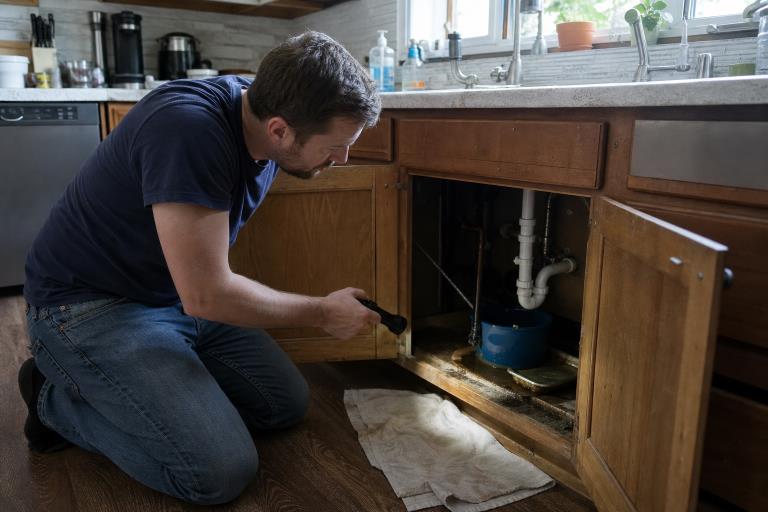
Mold needs moisture and a suitable surface, which is why it often develops behind walls, beneath flooring, inside sink cabinets, near windows, or around heating and cooling equipment. Obvious flooding is one cause, but slow leaks can be just as destructive because they keep drywall, wood, insulation, and carpet backing damp for days or weeks. For example, a loose supply line beneath a kitchen sink may slowly wet the cabinet base and adjacent wall without producing a major puddle. The visible stain is not always the full area affected.
Condensation can also create repeated dampness on cold pipes, windows, and exterior walls. Practical moisture control guidance explains why controlling indoor dampness is central to preventing mold growth.
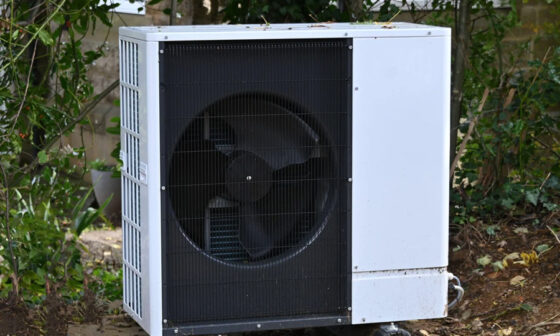
Heating and cooling systems also play a significant role in managing indoor humidity levels throughout the year. Proper airflow and routine equipment upkeep help keep relative humidity under control, which reduces the risk of moisture accumulation on cold surfaces. Homeowners looking to maintain balanced indoor conditions often rely on professional HVAC services for Lynchburg homes to ensure their systems run efficiently and manage moisture effectively.
Warning Signs Of Hidden Moisture
During routine cleaning or a home inspection, look for signs that water may be collecting where it should not. Persistent musty odors, brown or yellow stains, peeling paint, bubbling wallpaper, soft drywall, warped trim, swollen cabinets, and recurring condensation all deserve attention. Rooms that feel unusually humid or stale after showers, rain, or appliance use may also point to a ventilation or leak issue. Allergy-like symptoms can have many causes, but changes that seem to improve away from the building are worth discussing with a healthcare professional.
What To Do In The First 24 Hours
- Stop the water source if it is safe to do so.
- Keep children, pets, and vulnerable occupants away from the area.
- Turn off the power near standing water and avoid electrical hazards.
- Photograph damage before moving belongings or removing materials.
- Move wet items that can be safely removed.
- Begin drying clean, accessible surfaces promptly.
- Avoid using fans that blow air from the affected space into clean rooms.
- Contact your insurer when the event may be covered.
Quick drying matters, but surfaces that look dry may still hold moisture underneath. Carpet padding, drywall, insulation, and subflooring need closer evaluation after significant water exposure.
When To Clean It Yourself And When To Get Help
Situations That May Be Suitable For Careful DIY Cleaning
A small area on a hard, washable surface may be manageable when there is no active leak, no contaminated water, no suspected ductwork involvement, and no vulnerable household member likely to be exposed. The area should be accessible, limited, and fully dry after cleaning.
Situations That Usually Need Professional Assessment
Seek help for large or spreading growth, strong odors without a visible source, repeated growth after cleaning, water damage in several rooms, or suspected mold inside walls, ceilings, insulation, flooring, or HVAC systems. Sewage, floodwater, and other contaminated water events also require a more careful response.
What A Careful Remediation Plan Should Include
Effective remediation is a process, not simply a spray treatment. It should include inspection, moisture-source correction, appropriate containment, decisions about cleaning or removing damaged porous materials, careful drying, repairs, and a final review. Painting over stains or caulking over damaged surfaces is not a complete repair. Cosmetic work can conceal ongoing moisture and make later damage harder to find.
Health And Safety Steps During Cleanup
Use gloves, eye protection, and a properly fitted respirator when the work calls for it. Bag damaged materials before carrying them through clean areas, wash hands afterward, and avoid spreading dust through the home. People with asthma, allergies, chronic lung disease, or weakened immune systems should stay away from cleanup work. Follow safe mold cleanup steps when selecting protective equipment and cleaning methods, and ask a healthcare professional about personal symptoms or exposure concerns.
When Mold Testing Makes Sense
Testing can be useful when a problem is hidden, disputed, or needs documentation for a property sale, rental issue, or insurance claim. It is not a substitute for repairing a known leak or removing visible growth. One air sample cannot describe every room or cavity in a building, so ask what a test result would change before paying for it.
How To Prevent Mold From Returning
- Repair roof, plumbing, window, and foundation leaks promptly.
- Use kitchen and bathroom exhaust fans that vent outdoors.
- Keep indoor humidity at a reasonable level.
- Check beneath sinks, behind appliances, and around water heaters.
- Keep gutters clear and direct water away from the foundation.
- Dry wet rugs, flooring, and belongings as soon as possible.
- Inspect attics, basements, and crawl spaces during seasonal weather changes.
- Never close or finish walls and floors while materials remain damp.
Common Mistakes That Make Mold Problems Worse
- Scrubbing visible mold before stopping the leak.
- Painting or caulking over moldy materials.
- Using ordinary fans that spread dust into clean rooms.
- Removing walls without considering containment.
- Keeping wet carpet padding because the carpet surface feels dry.
- Running an HVAC system that may be affected by contamination.
Frequently Asked Questions
Can Mold Grow Without A Major Flood?
Yes. Slow leaks, condensation, high humidity, and damp building materials can create the conditions for growth without standing water.
Does Every Moldy Item Need To Be Thrown Away?
No. Hard, washable surfaces may be cleaned when appropriate, while porous items can hold contamination within fibers, layers, or insulation and may need removal.
Should Bleach Be Used On Mold?
The right method depends on the surface and extent of damage. Follow product instructions, provide ventilation, and never mix bleach with ammonia or other cleaning products.
How Can You Tell If Repairs Are Complete?
The moisture source should be corrected, materials should be dry, visible growth and odors should be gone, damaged finishes should be repaired, and the work should be documented.
Conclusion
Mold prevention begins with finding and controlling moisture. A quick response, careful inspection, safe cleanup, and complete drying can keep a small water issue from becoming a larger repair project. Find the moisture, stop it, clean carefully, and do not seal the problem behind new materials.