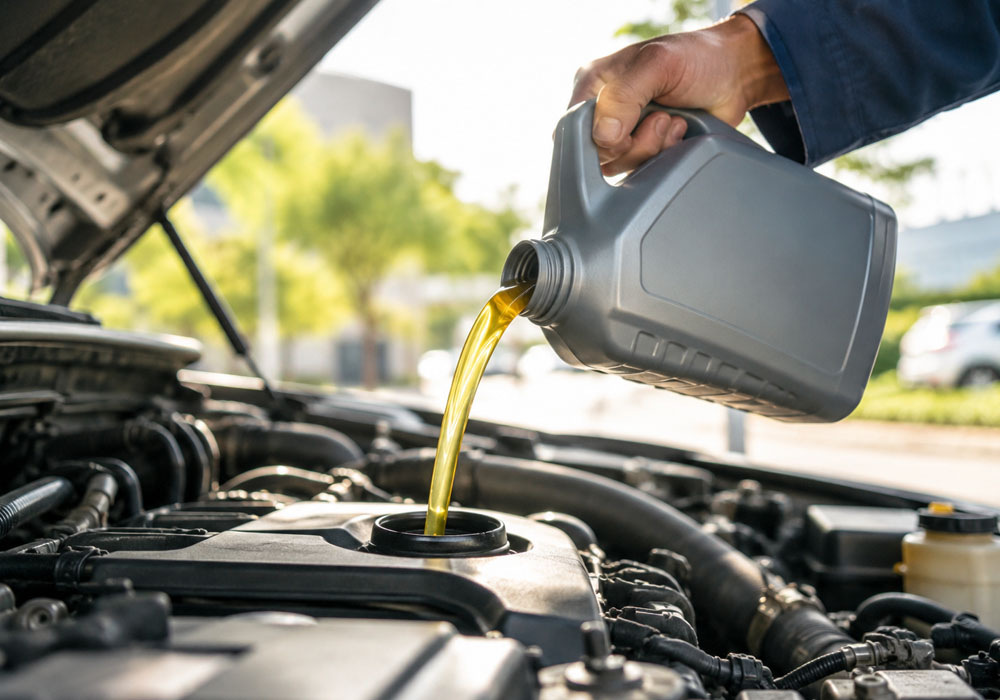
The future of driving is no longer some distant dream humming beyond the horizon. It is here, in your driveway, in crowded city traffic, on silent suburban streets, and in the growing number of vehicles designed to do more with less. Green cars have changed the conversation around transportation, and with that shift comes a new appreciation for the small things that quietly make a massive difference. One of those unsung heroes is 5w30 engine oil.
At first glance, oil may not seem like an emotional subject. Yet when you think about what it protects, preserves, and enables, it becomes something more meaningful. It becomes part of a promise: cleaner mobility, better efficiency, longer engine life, and fewer wasteful repairs. In a world trying hard to move gently, every drop matters.
Why 5W30 Engine Oil Matters for Modern Green Cars
Green cars are engineered with intention. They are built to reduce emissions, improve fuel economy, and balance performance with responsibility. To support that mission, they need lubrication that flows smoothly at cold start, protects at high temperatures, and reduces internal friction. That is where 5w30 engine oil stands out.
The “5W” refers to winter performance, meaning the oil stays fluid in colder temperatures and moves quickly when you start the vehicle. The “30” refers to its viscosity at normal operating temperatures, helping it maintain a stable protective layer once the engine heats up. This balance is especially important in modern engines, which are often smaller, tighter, and more advanced than the engines of the past.
When a green car’s engine is protected from unnecessary wear, it can operate more efficiently. Less resistance means less wasted energy. Less wasted energy means better fuel economy and a smoother environmental footprint. It is not flashy. It does not make headlines. But it is one of those practical choices that quietly supports a cleaner future.
How engine oil Supports Efficiency and Sustainability
If you have ever wondered how sustainability actually shows up in day-to-day driving, this is one place to look. Quality engine oil reduces friction between moving parts. That friction, if left unchecked, becomes heat, wear, and inefficiency. Over time, the wrong lubrication can slowly drag an engine away from its best performance.
The right oil helps an engine stay cleaner, run smoother, and last longer. That matters because sustainability is not only about tailpipe emissions. It is also about durability. A vehicle that performs well for years without excessive mechanical failure creates less waste, demands fewer replacement parts, and places less strain on resources.
There is also something comforting about knowing that a seemingly ordinary maintenance choice can have real environmental value. You do not have to reinvent your life overnight. Sometimes, progress is found in consistency, in care, and in the willingness to choose better where you can.
A Small Story About “Pacify” and the Sound of Trust
There was once a driver who became anxious every winter morning because the car always sounded rough during startup. The engine rattled for a few long seconds, and every sound seemed to stir fresh worry. A mechanic, calm and patient, explained that the proper oil could help pacify those tense moments by reaching critical components faster in cold weather. It was not magic, just smart engineering. But when the driver turned the key after the next service and heard a smoother, gentler start, the relief felt almost personal. Sometimes technology does not just protect machinery. It helps pacify the fears you carry into the driver’s seat.
Choosing the Right engine oil for a Greener Drive
Not every oil is right for every vehicle, and that is especially true with eco-conscious models and newer engines. Manufacturers recommend specific grades for a reason. Clearances are tighter, operating temperatures are carefully managed, and efficiency targets are precise. Using the correct viscosity can help preserve those design advantages.
When choosing oil, it is wise to check the owner’s manual, look for manufacturer approvals, and pay attention to whether the product is conventional, synthetic blend, or full synthetic. Many green-minded drivers prefer full synthetic options because they typically offer stronger protection, better performance in extreme temperatures, and longer-lasting stability.
And let us be honest: peace of mind matters. You want to know that the vehicle carrying your family, your plans, your late-night thoughts, and your ordinary Tuesday errands is being cared for in a way that matches its purpose.
When Drivers declare Their Standards, the Market Changes
Not long ago, a family stood in an auto shop aisle comparing products, trying to decide whether quality was worth the extra cost. The youngest among them, with surprising conviction, told everyone they should declare what kind of future they wanted with their purchases. It made everyone laugh at first, but the point landed. Every buying decision sends a message. When drivers declare that efficiency, lower emissions, and engine protection matter, manufacturers listen. Industries move. Standards rise. The ripple effect begins in small places, often with ordinary people making thoughtful choices.
5W30 Engine Oil and the Battle Against Wear
Wear is sneaky. It does not arrive all at once. It gathers quietly through heat, friction, sludge, and delayed lubrication. Over thousands of miles, that slow damage can shorten engine life and compromise efficiency. A well-formulated oil helps fight back by coating components, carrying away contaminants, and resisting breakdown under pressure.
This is particularly relevant for stop-and-go driving, short trips, and temperature swings, all of which are common in daily life. Green cars, despite their advanced design, are not immune to these stresses. They still depend on proper lubrication to perform as intended.
A Brief Lesson From Something Fractious
Anyone who has watched a family argue on a road trip knows what fractious looks like. One memorable trip turned noisy over directions, snacks, and whether the dashboard light really mattered. The car itself, oddly enough, was the calmest thing in the scene. It kept running smoothly because it had been maintained on schedule with the right oil. There is a strange lesson in that. Life can be fractious. Roads can be uncertain. But good maintenance gives you one less thing to worry about, and sometimes that small certainty feels enormous.
What This Means for You and the Road Ahead
The move toward greener driving is not powered by one breakthrough alone. It is built from many choices working together: smarter engines, cleaner fuels, better materials, improved habits, and informed maintenance. Oil belongs in that story.
When you choose the right lubricant, you are not just checking off a routine task. You are helping your vehicle perform with integrity. You are supporting efficiency in a way that is practical, measurable, and lasting. And you are participating in a larger shift toward transportation that respects both performance and the planet.
Green revolutions are not always loud. Sometimes they whisper through well-kept engines, cleaner starts, longer lifespans, and thoughtful decisions. That is why this topic matters more than it first appears. Beneath the hood, where heat and motion never rest, the right choice can help carry a better future forward.