Collisions rarely unfold cleanly. On a rural two-lane road or in stop-and-go traffic, the shock, vehicle damage, and fast-moving conversations can blur critical details. Yet your earliest choices often shape how an insurance carrier evaluates fault, whether medical bills are promptly covered, and what evidence survives. In Pennsylvania’s system of first-party medical benefits and liability claims, gaps in care, missing reports, or casual comments can weaken an otherwise valid case. This article focuses on common early mistakes and how to avoid them so the police crash report, medical records, and vehicle data work for you rather than against you.
Skipping a Police Report or Volunteering Fault at the Scene
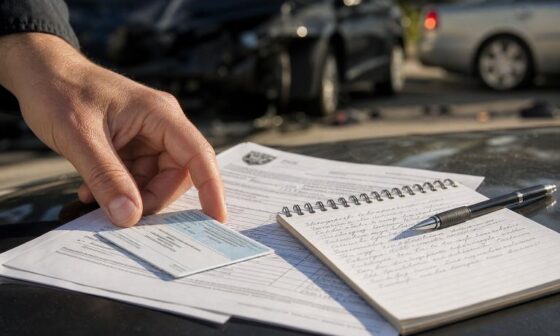
Not calling law enforcement, leaving without a report number, or apologizing at the roadside can distort how the crash is documented. A police crash report anchors key facts such as location, lane position, and witness names. It also signals to insurers that injuries and property damage are part of the same event, even if symptoms surface later. Before you speak with an insurer or a Newfoundland Auto Accident Lawyer, make sure you call 911, take photos of vehicle positions and debris fields, and exchange insurance and license details without speculating about speed or blame.
Why it matters: Pennsylvania uses a modified comparative negligence framework. Early statements can be treated as admissions and used to shift fault percentages. For example, a driver who says “I didn’t see you” after a left-turn impact may later discover the other vehicle had no headlights or blew a stop sign. However, that initial phrase might still appear in an adjuster’s liability analysis. Stick to objective facts, request the officer’s name and incident number, and confirm how to obtain the crash report once it posts.
Delaying Medical Evaluation and Creating a “Gap in Treatment”
Soft tissue injuries and concussions often emerge hours after a crash, not minutes. Waiting days to see a doctor invites an insurer to argue your neck pain or headaches stem from yard work or a prior injury. In Pennsylvania, first-party medical benefits (often called PIP) cover reasonable and necessary care regardless of fault so that you can be evaluated promptly at an urgent care, emergency department, or primary care office. Documenting symptoms early and following referrals for imaging or physical therapy ties your treatment plan to the collision in a way adjusters recognize.
Consider two realistic scenarios. After a low-speed rear impact, a driver feels only stiffness, declines care, then seeks treatment a week later when turning the head becomes painful. The insurer points to the delay to contest causation. By contrast, a driver in a similar crash visits urgent care the same day, receives a clinical exam and conservative care plan, and records follow-ups when pain worsens. The second claim is typically stronger, even with similar vehicle damage, because the medical records form a continuous narrative from impact to diagnosis.
Providing a Recorded Statement Too Soon
Adjusters often call within a day to “get your side” while you are juggling a tow, a rental, and initial soreness. Giving a recorded statement before you’ve seen the police crash report or reviewed photos can lock in incomplete or mistaken details. Weather, sight lines, brake lights, and secondary impacts are easy to misremember while adrenaline is high. You generally can confirm basic information such as your name, policy number, and where the vehicle is stored without agreeing to a recorded interview about speed, distances, or injuries.
Keep property damage and bodily injury issues separate. You may need to discuss repair logistics with a property damage adjuster to arrange a teardown or get an estimate. Still, you are not required to diagnose yourself or speculate about recovery timelines. Decline to guess whether you were “fine” at the scene; allow your medical records to speak for your condition. If someone requests a statement, ask for the questions in writing or schedule a time after you have reviewed the crash report and spoken with someone who can explain your rights.
Misunderstanding PIP, Limited Tort, and UM/UIM Coverage
Pennsylvania policies include first-party medical benefits that typically pay initial treatment bills regardless of who caused the crash. Many drivers also choose between “limited tort” and “full tort,” which can affect recovery for pain and suffering. Limited tort may restrict non-economic damages unless an exception applies, such as certain categories of injury. Knowing which election you made when you bought your policy helps you plan your next steps and avoid signing releases that cut off claims you still have a right to pursue.
Uninsured motorist (UM) and underinsured motorist (UIM) coverage can be critical when the at-fault driver has no insurance or too little to cover your losses. A common mistake is waiting for the other insurer to accept fault before notifying your own carrier of a potential UM/UIM claim. Report all claims promptly to preserve benefits and prevent coverage disputes. Another avoidable error is ignoring health insurance explanations of benefits and subrogation notices; track medical bills, co-pays, and mileage so reimbursement negotiations later reflect what you actually paid or still owe.
Letting Evidence Disappear: Vehicles, EDR Data, and Camera Footage
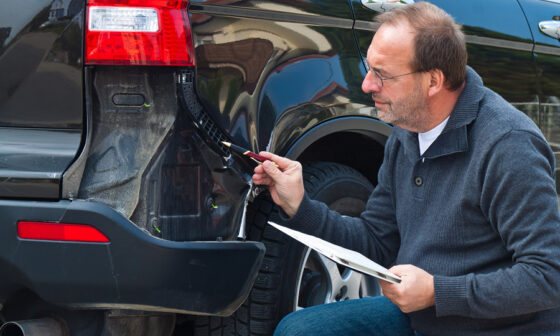
Evidence begins to fade the moment traffic starts moving again. Intersection videos are routinely overwritten, dashcams are cleared, and vehicle event data recorders (EDRs) can be lost when a car is repaired or sold for salvage. If liability is disputed or injuries are significant, consider preserving the vehicle until photos, scans, and inspections are complete. Ask the tow yard about storage deadlines, keep the claim number visible on the windshield, and photograph both airbags and seat belt marks, which can corroborate impact forces and occupant position.
There are trade-offs. Moving quickly into a rental and authorizing repairs may get you back on the road faster, but it can also destroy data that could resolve a fault dispute. A practical middle path is to request a thorough estimate with teardown photos, notify the other carrier in writing that the vehicle and EDR data must be preserved, and set a short deadline for their inspection. In one common scenario at a rural intersection, a store camera facing the lot entrance captures the side of the roadway; politely ask the manager to retain footage from the hour around the crash, then follow up the same day with a written request.
Within the first 72 hours, small actions carry outsized weight: call 911, photograph the scene and damage, get medical care under your PIP benefits, and be cautious with early insurer conversations. Keep a simple log of symptoms, bills, and missed work, and preserve physical evidence before you repair or sell the car. Pennsylvania’s insurance rules and comparative negligence system leave room for honest mistakes to harm a claim, but a measured approach protects your health and the facts. When questions arise about fault, coverage elections, or settlement paperwork, local legal guidance can help you avoid preventable missteps without slowing necessary repairs or treatment.