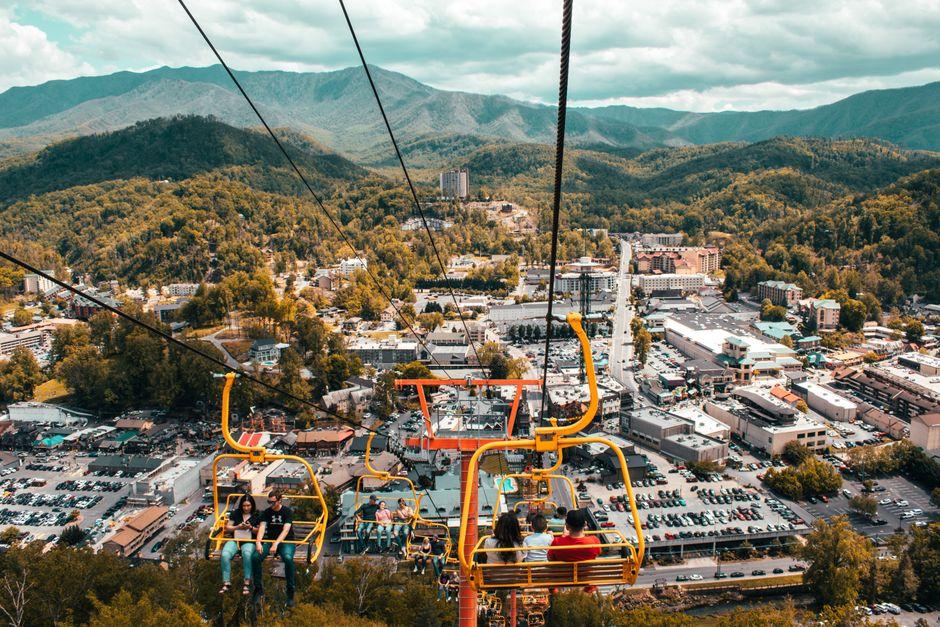
A day built around amusement rides can reveal different personalities. One person wants the fastest descent available; another is happy watching. In Pigeon Forge, Tennessee, mountain coasters and attractions make it possible to satisfy different tastes. Before leaving, check whether reservations are required, whether tickets have weather restrictions, and how long the attraction expects you to wait during especially busy visiting periods. The trick is not squeezing in every ride. It is choosing a few experiences that suit your group, checking restrictions before you arrive, and leaving room for everyone to enjoy themselves.
Start With One Ride Everyone Will Remember
A signature experience gives the day something to revolve around. Mountain coasters are appealing because they combine outdoor scenery with twists, turns, and a sense of control unlike conventional rides. Coasters differ; track design, speed, and rider restrictions vary.
Among the more distinctive Pigeon Forge TN rides is the Pigeon Forge Racing Coaster, a one-of-a-kind ride built for pure excitement. The attraction also features spirals, a double helix, and finish line photos. Review its age, height, and health requirements before promising anyone a ride.
The competition gives families something to debate afterward.
Give Different Personalities Their Own Moments
A group rarely agrees on what counts as fun. Younger children might enjoy colorful, gentle rides, while teenagers want something that produces genuine butterflies. Adults can fall anywhere along that spectrum, despite their claims.
Rather than forcing everyone onto the same attraction, give each person a chance to choose a favorite. Rotate between faster rides and calmer experiences so nobody feels left behind. A leisurely attraction can be just as memorable as a thrilling descent when the company is good.
Agree on meeting points if the group separates. That prevents confusing searches for missing companions.
Check Rider Requirements Before Buying Tickets
Nothing deflates excitement faster than reaching the entrance and discovering a child is too short to ride. Restrictions may involve height, age, physical conditions, footwear, or whether a younger rider needs an accompanying adult. A ride advertised for families can still have important limits.
Check each attraction’s official rules before purchasing tickets. If someone has a medical concern, do not assume a slow-looking ride is suitable. The motion, restraints, and sudden changes in direction may matter more than the speed alone.
Talk to children about these rules beforehand. Presenting an unsuitable ride as off limits for safety is much easier before they have spent twenty minutes imagining themselves on it.
Build Your Schedule Around Energy, Not Mileage
A packed itinerary can look impressive until the second long queue. Waiting, walking, excitement, and warm weather all take energy, especially for children. Choose two or three priorities, then treat everything else as a bonus rather than an obligation.
Start with an attraction everyone genuinely wants to experience. Fit in food and rest breaks between longer stretches of activity. Allow extra time for parking, ticket checks, and unplanned stops without assuming every line will move quickly.
If the group starts losing patience, slow down. A shorter day with a few enjoyable rides often creates better memories than a marathon of attractions people barely remember afterward.
Let the Forecast Influence Your Plans
Outdoor attractions depend on weather, and some may suspend operations during heavy rain, high winds, or thunderstorms. Check current operating information before leaving, then keep an indoor alternative in mind. A flexible plan is more useful than insisting every ticketed activity happen in its original slot.
The guidance on lightning safety during outdoor activities explains why people should move into substantial shelter when thunder threatens and wait before resuming activities. A covered queue or small open shelter is not necessarily safe.
Weather delays can be disappointing, but they also create an opportunity for a meal or a quieter activity. Treating the interruption as a change of pace keeps everyone calmer.
Make Breaks Part of the Entertainment
Ride days are surprisingly physical. Long walks, standing in queues, and hours outside can wear down even energetic travelers. Water, comfortable shoes, and occasional shade make a noticeable difference, particularly when someone is too excited to admit feeling tired.
The advice on staying safe in hot weather recommends hydration, cooler places, and breaks when conditions demand them. Pay extra attention to children and anyone who becomes dizzy, unusually tired, or overheated.
A snack stop can do more than settle hunger. It gives everyone time to compare favorite moments, decide what comes next, and recover enough to enjoy the next ride rather than endure it.
Match the Experience to the Group’s Budget
Ticket prices are only part of the cost. Parking, photographs, snacks, and repeat rides can change the total. Some attractions charge per ride, while others bundle activities or offer different admission categories. Read the details rather than assuming the advertised starting price covers everything.
Discuss the budget before arriving, especially if children may ask for another turn. Decide where a second ride is worth paying for and where a different attraction offers better variety.
The best value is not necessarily the longest list of activities. It is the combination that feels worth the money and leaves enough room for meals, rest, and spontaneity.
Leave Space for a Surprise Favorite
People often arrive convinced they know which ride will be the highlight. Then someone discovers a gentle attraction they adore, or a competitive run becomes the story everyone keeps retelling. That unpredictability is part of the pleasure.
Keep expectations realistic and resist turning the day into a contest to complete the most activities. Take photographs when practical, but spend more time enjoying the experience than documenting every moment.
A successful ride day has variety, manageable timing, and enough flexibility to follow the group’s mood. When everyone gets a chance to feel included, the best memory may have nothing to do with which coaster was fastest.