Buying near Lake Guntersville is not a one-category decision. Two homes with similar square footage can offer very different experiences when one has a private dock, another has only a distant water view, and a third relies on shared community access. Guntersville, AL real estate expert Trenten Hammond serves buyers and sellers in Guntersville and surrounding North Alabama communities through a website focused on local home searches, property listings, and buyer guidance. Trenten Hammond’s experience across residential homes, land, and lake-area properties can provide useful local context when comparing the details that listing photos do not always show.
Why Waterfront Homes Around Lake Guntersville Vary So Much
Lake Guntersville creates a broad range of housing settings, from homes near busy marinas and open water to quiet coves, elevated lots, wooded points, and inland neighborhoods with shared access. A citywide price average cannot capture those differences. Buyers should compare homes with similar water relationships, lot characteristics, condition, and usable access rather than assuming every property described as “near the lake” offers the same value.
Shoreline length, the slope from the house to the water, water depth near a dock, road frontage, view corridors, and the condition of retaining structures can all affect how a property lives day to day. A sweeping view may be important to one buyer, while another may value a protected cove where a boat can be kept more easily.
The Three Main Property Types
Direct Waterfront Homes
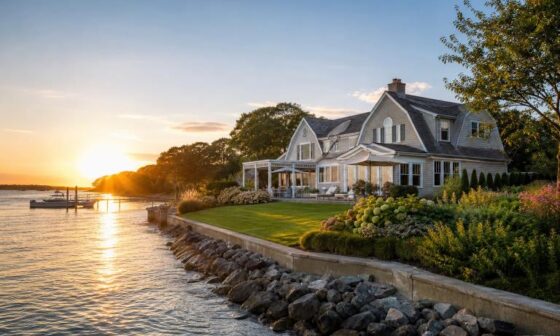
Direct waterfront homes adjoin the shoreline or have documented private access to it. They may include a dock, boathouse, shoreline stairs, or a path to the water. This category can offer the most convenient boating and fishing access, but it also requires buyers to study shoreline conditions, structure maintenance, ownership rights, and approvals closely.
Lake-View Homes
Lake-view homes offer a visual connection to Lake Guntersville without necessarily including water access. They can suit buyers who want scenery, proximity to recreation, and less shoreline maintenance. Before making an offer, confirm whether neighboring lots, trees, or future construction could change the view.
Lake-Access Homes
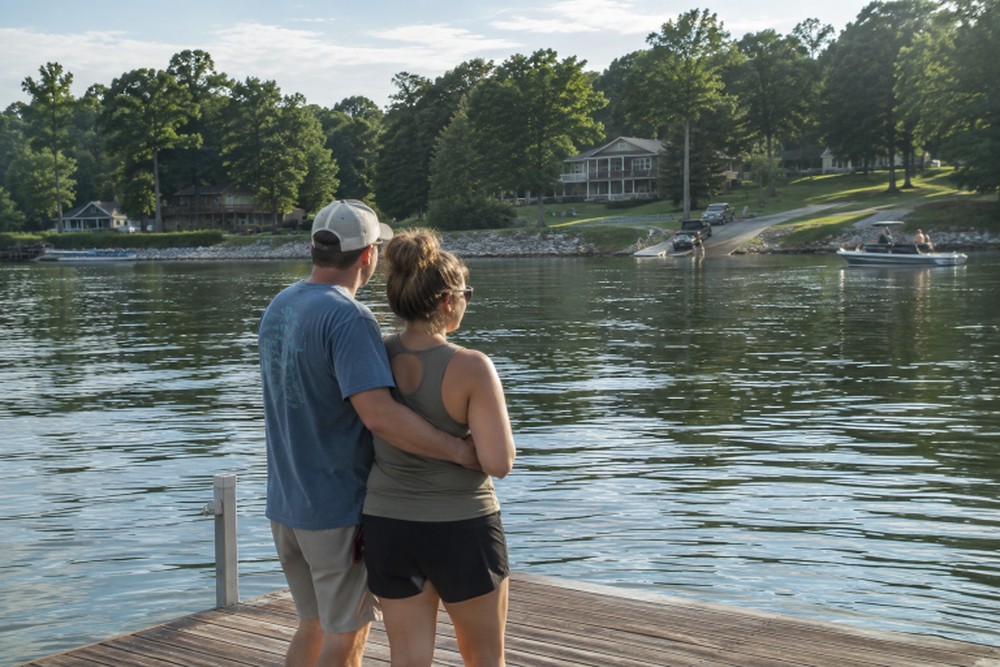
Lake-access homes may rely on a shared dock, neighborhood boat ramp, marina, or designated community waterfront area. This option can be practical for buyers who expect to boat occasionally rather than maintain a private waterfront facility. Review access rules, parking limits, boat-storage options, association dues, and whether access is deeded or simply advertised as nearby.
How to Compare Total Ownership Costs
The purchase price is only the starting point. A direct waterfront home may involve expenses that an inland or shared-access property does not. Ask for realistic information about insurance, utilities, septic systems, private roads, erosion control, tree work, dock repairs, retaining walls, shoreline cleanup, and boat storage.
For example, a lake-access home with a community dock may cost less to maintain than a direct waterfront property with a private boathouse. That does not make one option better than the other. It simply means buyers should compare the full annual ownership picture alongside the home’s price and mortgage payment.
What to Check About Water Access
Listing photos can make every shoreline look equally usable. Visit the property in person and, when possible, return at a different time of year or after changing water conditions. Bring questions that connect directly to how you plan to use the lake.
- How deep is the water near the dock or shoreline during typical seasonal conditions?
- Is the property on open water, in a protected cove, or along a narrower channel?
- Will the dock accommodate the size and type of boat you plan to use?
- Are there visible mud flats, steep banks, vegetation, or shallow approaches?
- Is the shoreline suitable for swimming, fishing, launching a kayak, or simply enjoying the view?
- Does the dock have functioning electrical service, lighting, lifts, and secure access?
Dock, Shoreline, and Permit Questions
Do not assume an existing dock or shoreline structure can be altered, expanded, or replaced without review. The Tennessee Valley Authority regulates certain construction and activities along the Tennessee River system. Section 26a regulations explain why proposed shoreline work may require approval and why a permit does not itself establish property rights.
Ask the seller for copies of permits, plans, and any records related to docks, boathouses, seawalls, access corridors, or shoreline improvements. Confirm that existing structures match available documentation. Your contract should leave enough time to review these materials, survey boundaries, and determine whether intended future work is feasible.
How Location Changes Daily Life
A lake property should fit more than weekend plans. Consider the drive to groceries, medical care, schools, restaurants, public boat ramps, and workplaces. Buyers comparing Guntersville with Grant, Scottsboro, Albertville, Arab, or other North Alabama communities should also test the actual route at the times they expect to travel.
Check road conditions, driveway grade, internet availability, cell coverage, storm drainage, and noise from nearby marinas, public access points, or heavily traveled roads. A quiet cove can feel ideal until holiday boat traffic, seasonal events, or a long commute change the routine.
Build the Right Inspection Plan
A standard home inspection is important, but waterfront ownership can call for additional reviews. Depending on the property, buyers may need a survey, septic or well inspection, flood-insurance consultation, dock and seawall evaluation, retaining-wall assessment, and title review for easements or shared roads.
Also review neighborhood, marina, or dock-association rules. TVA’s Guntersville Reservoir Land Management Plan can be a useful research tool because it addresses land-use planning on TVA-managed public land around the reservoir. It should not replace property-specific legal, survey, or permit review.
Use a Simple Property Comparison Scorecard
Give each home a score from one to five in the categories that matter most to your household, then write a short note explaining the score.
- Water access, 25 percent: Is it usable, convenient, and compatible with your recreation plans?
- Total cost, 20 percent: Can you comfortably handle insurance, maintenance, utilities, and future repairs?
- Property condition, 20 percent: Are the home, dock, shoreline, major systems, and access routes in sound condition?
- Future flexibility, 20 percent: Will the home work as a primary residence, second home, or eventual resale property?
- Location, 15 percent: Does the setting support your commute, services, lifestyle, and preferred lake activities?
Final Thoughts
The best waterfront home around Lake Guntersville is not automatically the home with the largest view, newest dock, or highest asking price. It is the property that matches your budget, preferred way of using the water, maintenance tolerance, and long-term plans. Carefully comparing access, permits, conditions, location, and total ownership costs can turn an emotional lake-house search into a more confident decision.