Key Takeaways
- Reliable accounting starts with complete, timely, and traceable data.
- Industry knowledge helps accountants identify unusual costs, revenue movements, and ownership issues.
- Automation can improve speed and consistency, but it does not replace professional judgment.
- Commodity prices, project schedules, and operating changes can affect accounting assumptions.
- Clear documentation and repeatable review processes reduce reporting surprises.
- Communication skills are essential because financial results often require operational context.
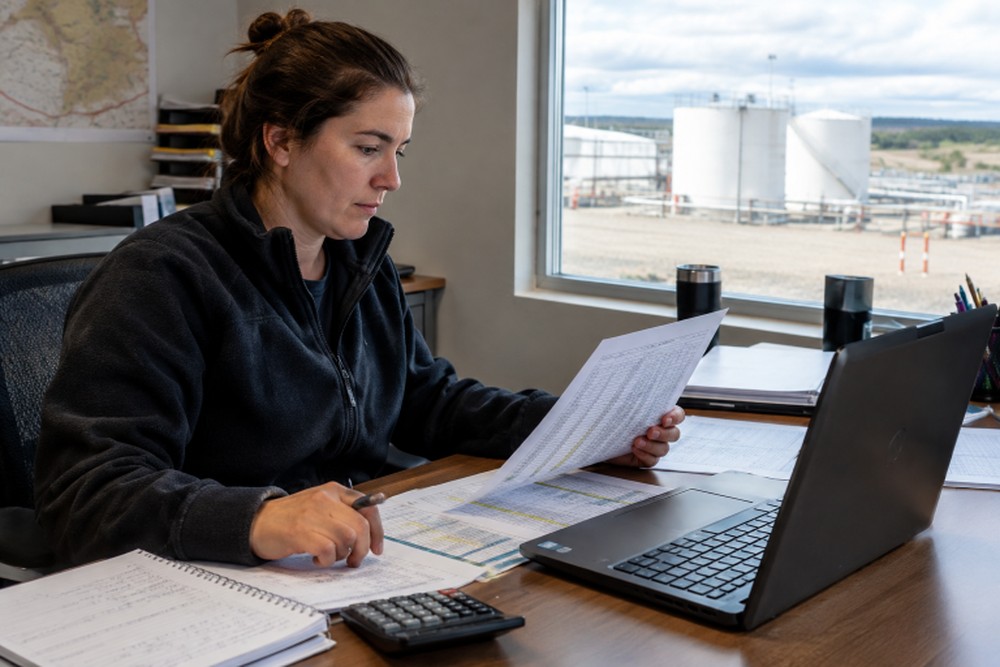
Oil and gas accounting connects financial records to real operating activity. Accountants may work with production volumes, lease obligations, drilling costs, joint-interest billings, royalties, revenue, and long-lived asset information in the same reporting cycle. Accurate work depends on understanding how those operational events move through the accounting process. Professionals who want to strengthen that connection can build practical industry knowledge through the APA Program, as well as internal procedures, technical guidance, and collaboration with field and commercial teams. The goal is not simply to close the books. It is to produce information that managers, partners, auditors, and investors can review with confidence.
Why the Work Is Changing
Accounting teams increasingly need a broad view of the business. A production change can affect revenue estimates. A revised drilling schedule can change capital forecasts. A late ownership update can affect partner billings. Because these items are connected, accountants need to look beyond the general ledger to understand the operational sources of key numbers. External conditions can add pressure. Oil and natural gas prices, transportation costs, inventory levels, interest rates, and supply constraints may influence budgets, cash planning, asset reviews, and management discussions. The Short-Term Energy Outlook provides useful context for monitoring the market conditions that may warrant a closer review of financial assumptions.
Core Skills for Modern Oil and Gas Accountants
Strong performance requires more than accurate entries. It requires the ability to translate operating activity into clear, supportable financial information. The most useful skill areas include:
- Industry knowledge: Understanding wells, leases, production, royalties, joint ventures, and project spending.
- Financial reporting: Preparing reports that support internal decisions and external reporting obligations.
- Data review: Recognizing missing, delayed, duplicated, or unusual information before it affects results.
- Technology: Using enterprise systems, spreadsheets, dashboards, and automation tools effectively.
- Communication: Explaining accounting results to engineers, operations staff, executives, auditors, and business partners.
- Judgment: Knowing when a variance needs investigation rather than automatic approval.
Why Data Quality Matters
One incorrect input can affect multiple reports. A delayed production figure may distort an accrual. A project cost coded to the wrong asset may complicate budget analysis. An outdated ownership percentage may create an inaccurate partner charge. For that reason, data quality is not a separate task performed at the end of the process. It is part of daily accounting discipline. A practical review begins by identifying the source of each significant figure, confirming the reporting period, comparing the amount with prior activity or operating data, investigating material changes, and retaining support for adjustments and approvals. If field expenses rise sharply, the accountant should ask whether emergency repairs, new work, invoice timing, or coding caused the movement before changing the entry.
Using Technology With Judgment
Automation can reduce repetitive work by matching invoices, identifying possible duplicate transactions, comparing reports, organizing support, and flagging unusual variances. These tools can make a close process faster, but speed should not be confused with certainty. Software can identify that a number differs from expectations, but it cannot always determine whether the difference reflects a normal operational event, a timing issue, or a control problem. Teams should review source data, maintain approval controls for material entries, and document how automated tools support the review process. Human accountability remains necessary for conclusions.
Preparing for Market Volatility
Market awareness does not mean accountants must predict commodity prices. It means they should recognize when changing conditions may affect assumptions already used in forecasts, budgets, impairment analyses, inventory considerations, or liquidity planning. Useful items to monitor include commodity price movements, production forecasts, transportation costs, borrowing costs, supplier delays, project schedules, and changes in expected demand. When a major assumption changes, accounting and operational teams should discuss whether the effect is temporary, material, and whether disclosures or updated estimates may be needed.
Building Stronger Reporting Processes
A repeatable monthly or quarterly process can reduce late surprises. Effective teams typically follow a sequence:
- Gather: Collect financial, operational, production, and ownership information.
- Validate: Check dates, completeness, coding, and supporting records.
- Compare: Review results against budgets, forecasts, and prior periods.
- Explain: Prepare concise explanations for material movements.
- Review: Have a qualified reviewer challenge key assumptions and conclusions.
- Report: Present the results in language decision-makers can use.
- Improve: Track recurring issues and update procedures.
Documentation is central to this process. A well-prepared review file should show where a number originated, why it changed, what evidence supports it, and who approved the final treatment. This also makes future reviews more efficient.
A Practical Career Development Plan
Professional development is most useful when it follows the reporting calendar. In the first quarter, review core terminology and identify gaps in lease, production, revenue, and joint-interest knowledge. In the second quarter, improve spreadsheet, reporting, and data-analysis skills. In the third quarter, study system workflows, automation controls, and data governance. In the fourth quarter, review reporting lessons from the year and build a personal reference guide. Public-company reporting also requires awareness of industry-specific disclosure rules. The SEC’s oil and gas reporting guidance addresses disclosures involving reserves, production, drilling activity, wells, acreage, and related matters, making it a useful reference for professionals who support those reporting processes.
Common Questions
What makes oil and gas accounting different?
The work often involves wells, leases, production, ownership structures, royalties, partners, and long-term projects. Those operational details create accounting questions that require both financial and industry knowledge.
Will artificial intelligence replace oil and gas accountants?
Artificial intelligence and automation can change routine tasks, especially data review and document handling. Skilled professionals are still needed to evaluate context, apply policy, communicate findings, and approve significant conclusions.
How can teams reduce reporting errors?
Teams can use clear ownership, consistent checklists, reconciled data sources, documented approvals, and recurring reviews of the most common errors.
Conclusion
Oil and gas accounting in 2026 requires a balanced skill set that combines technical expertise with practical business understanding. Strong knowledge of accounting standards, revenue recognition, joint interest billing, asset retirement obligations, and financial reporting remains essential. However, data discipline, technology awareness, market context, communication, and sound professional judgment are equally valuable as the industry continues to manage complex operations and changing business demands. Professionals must be comfortable working with large volumes of financial and operational information while understanding how production activity, ownership interests, contracts, and market conditions influence reported results. They should also know how to use accounting systems, spreadsheets, and data tools to improve accuracy without relying on automation without proper review. Those who consistently verify information, question unusual results, maintain organized documentation, and communicate effectively with other departments can help prevent errors and strengthen internal controls. Ultimately, accountants who connect financial outcomes to actual operations are better positioned to explain business performance, identify potential risks, support planning, and help their organizations make more informed decisions.