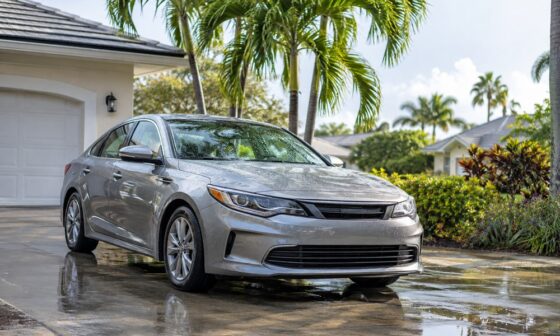
For Torrance, California, drivers, auto insurance is part of the practical cost of getting around the South Bay. Daily trips on the Pacific Coast Highway, commuting toward Los Angeles, weekend errands, and school or family transportation all create different driving patterns. Reviewing car insurance coverage Torrance can help drivers match a policy to the way their household actually uses its vehicles.
Insurance costs receive more attention when household budgets are tight, but a premium is not based on one detail alone. A driver’s record, vehicle, mileage, coverage choices, claims history, and local risk conditions can all affect the price. The best response is not automatically choosing the lowest payment, but understanding what protection would remain after a crash, theft, or weather-related loss.
Why Torrance Drivers Are Reviewing Their Policies
Even a careful driver cannot control every cost connected to a claim. Parts prices, labor, medical expenses, vehicle values, severe rain, theft, and congestion can all shape insurer costs over time. In Torrance, where many households depend on reliable transportation for access to employment in the aerospace, manufacturing, and service industries, a damaged or unavailable car can affect work schedules, caregiving, and everyday routines.
California also requires drivers to maintain financial responsibility. Standard policies must meet state minimum liability limits of $30,000 for injury or death of one person, $60,000 for injuries or deaths in one accident, and $15,000 for property damage. The California Department of Insurance explains these liability requirements and notes that a driver may be personally responsible for damages beyond the chosen policy limits.
The Main Factors Behind an Auto Insurance Premium
Insurers evaluate several rating details, rather than relying on age or one prior incident. The details vary by company and policy, but common considerations include the following:
- Driving history: At-fault crashes, traffic violations, and serious offenses may affect future pricing.
- Location and garaging address: Traffic density, claim patterns, repair availability, and local loss exposure can differ across communities. Torrance’s proximity to major freeways and coastal traffic patterns influences local rates.
- Vehicle type: Replacement value, repair procedures, safety equipment, and theft exposure may matter.
- Annual mileage: More miles generally mean more time exposed to road risks.
- Claims history: Previous claims can be part of an insurer’s assessment of future risk.
- Household profile: Licensed household members, driving experience, and vehicle use should be reported accurately.
How Vehicle Technology Changes the Math
Newer vehicles often include cameras, radar, sensors, lane-support features, and automatic emergency braking. These systems may help drivers avoid or lessen some collisions. However, a seemingly small impact near a bumper, mirror, windshield, or grille can involve more than replacing visible parts. Repairs may require sensor alignment, calibration, or diagnostic checks before safety features work as intended.
That balance matters when choosing a vehicle and reviewing coverage. The federal government notes that advanced safety systems use technologies such as cameras, radar, lidar, and other sensors to detect vehicles, pedestrians, or objects ahead. Vehicle safety technologies can support crash avoidance, but drivers should still understand the potential repair cost of the equipment on their own car.
Coverage Limits Matter More Than a Low Monthly Price
A low premium can be appealing, but it may reflect lower limits, higher deductibles, or fewer protections. Liability coverage pays for injuries or property damage a covered driver causes to others, up to the policy limits. It does not pay to repair the policyholder’s own vehicle after an at-fault crash.
- Collision coverage can pay for damage to the insured vehicle from a crash, subject to the deductible.
- Comprehensive coverage can address covered non-collision losses, such as theft, vandalism, falling objects, fire, or certain weather damage.
- Uninsured and underinsured motorist coverage may help when another driver lacks enough applicable liability coverage.
- Medical payments coverage may be available to help with certain medical expenses, depending on the policy terms.
Deductibles: A Simple Choice With a Real Tradeoff
A deductible is the amount the policyholder pays before collision or comprehensive coverage pays for a covered loss. Raising it can reduce the premium, but it transfers more financial risk back to the household. For a Torrance family relying on one vehicle for work or school transportation, the deductible should be an amount available without delaying needed repairs.
A Quick Deductible Check
- Write down the collision and comprehensive deductibles.
- Compare each amount with available emergency savings.
- Estimate whether the premium reduction justifies the added out-of-pocket risk.
- Review the choice after buying a vehicle, changing jobs, or adding a driver.
Usage-Based Insurance and Driver Data
Usage-based programs may collect information such as mileage, braking, acceleration, time of day, or phone handling. A careful, lower-mileage driver may find value in a program, while another driver may not. Before enrolling, read the terms closely: confirm what is collected, how long it is retained, whether participation is optional, and whether driving results can affect renewal pricing.
When a Vehicle’s Age Changes Coverage Decisions
As a car ages, owners may reconsider collision and comprehensive coverage. The decision should account for the vehicle’s current value, potential repair costs, loan or lease requirements, and the ability to replace the car after a total loss. Removing coverage can lower a bill, but it also removes protection for losses that would otherwise be covered.
Practical Ways to Review a Policy
- Confirm every listed driver, vehicle, garaging address, and primary use is accurate.
- Update estimated annual mileage if a commute or work arrangement has changed.
- Review liability and uninsured motorist limits, not just the premium.
- Match deductibles to current savings.
- Ask about discounts without reducing needed protection.
- Compare quotes using the same limits, deductibles, and optional coverages.
- Read exclusions and endorsements before removing an option.
Common Mistakes to Avoid
- Choosing solely by the monthly payment.
- Assuming “full coverage” means every loss is covered.
- Selecting a deductible that would be difficult to pay.
- Failing to report household-driver or vehicle-use changes.
- Comparing quotes with different limits as though they were identical.
- Dropping physical-damage coverage without checking finance or lease obligations.
Questions to Ask Before Making a Change
Before changing a Torrance auto policy, ask what risk will remain with the household, whether the deductible is immediately affordable, whether the vehicle is financed, and whether the quote uses accurate mileage and drivers. A short annual review helps keep coverage aligned with the vehicle, the budget, and the real-world risks of driving in and around the South Bay.