Key Takeaways
- Start with the clothing you already own before buying anything new.
- Choose fabrics according to your climate, routine, comfort preferences, and willingness to care for them.
- Versatile pieces, thoughtful construction, and skilled details can make a wardrobe more useful over time.
- Small repairs and gentler laundry habits help garments stay wearable for longer.
- Responsible shopping is about steady improvement, not creating a perfect closet overnight.
A full closet does not always make getting dressed easy. When too many pieces feel uncomfortable, difficult to style, or suited only to one occasion, daily decisions can become tiring. A more thoughtful wardrobe begins with choosing clothes that fit real routines, personal taste, and comfort needs. For inspiration that combines familiar silhouettes with adaptable styling, stylish indian western fashion outfits for women can show how clothing can feel expressive while remaining practical. The goal is not to discard everything or follow a strict set of rules. It is to make the clothes you own work harder, buy with greater clarity when a real need appears, and care for each garment so it remains useful. A wardrobe built this way can reduce clutter while leaving more room for outfits that genuinely feel like you.
Start With a Simple Wardrobe Audit
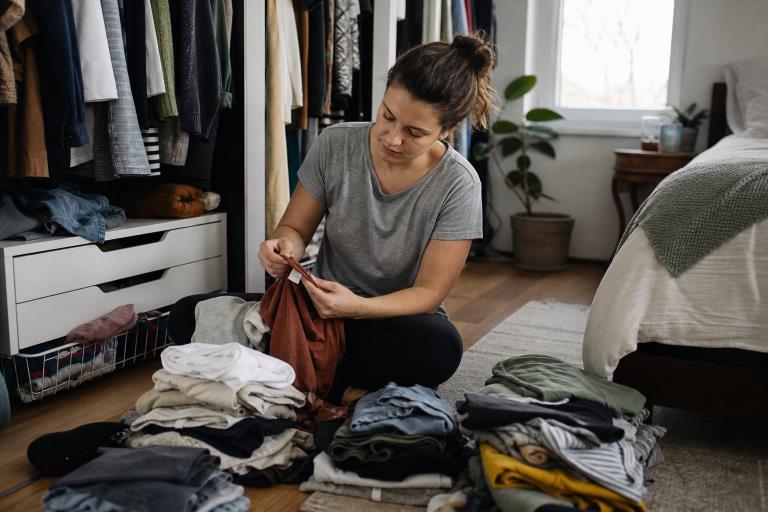
Before shopping, take stock of what is already in your drawers, shelves, and closet. Pull everything into view, including the pieces pushed to the back. Sort items into four practical groups: wear often, repair, alter, and release. This process makes useful favorites easier to spot and exposes the gaps that actually matter. For example, someone may find five tops saved for occasional outings but no comfortable layer for work, travel, or cool evenings. That discovery is more valuable than another spontaneous purchase. Notice duplicate items, too. Several nearly identical shirts may reflect a habit, while a missing pair of versatile trousers may reveal a genuine need.
Choose Fabrics Based on Real Life
No fabric is ideal for every climate, activity, or budget. Look beyond broad claims and consider how the garment feels, how frequently you will wear it, and whether its care requirements suit your life. Practical advice on wearing clothes repeatedly also reinforces the importance of comfort, quality, and versatility over novelty.
Common Fabric Choices
- Cotton: Soft, familiar, and useful for everyday shirts, dresses, and layers. Check for sturdy stitching and clear fiber content.
- Linen: Lightweight and breathable for warm weather. Its wrinkles are part of its relaxed character, not necessarily a flaw.
- Wool: Warm, resilient, and useful for knitwear and layering. It usually benefits from gentle cleaning and protected storage.
- Hemp: Durable, breathable, and often textured. It can work well in relaxed separates and warm-weather clothing.
- Silk: Light and comfortable with a refined drape, though it may require more careful washing and storage.
- Recycled fibers: Useful in many garments, but still worth assessing for durability, shedding, fit, and care instructions.
Look Beyond Fabric Labels
A natural fiber does not automatically make a garment a wise purchase. A poorly made linen shirt worn twice may be less useful than a durable blend worn every week. Check the full fiber label, seams, hems, buttons, lining, and closures. Clear details about care, country of manufacture, and production methods are more meaningful than vague phrases such as “eco-friendly” or “conscious.” Ask a simple question before buying: Can this be repaired if a button loosens, a seam opens, or a hem needs adjustment? Clothing with workable construction is easier to keep in service.
Why Artisan Details Can Add Lasting Value
Hand embroidery, weaving, block printing, hand stitching, and textured finishes can bring character to a garment. Small variations often reflect individual attention rather than a defect. These details also represent time, learned skills, and cultural traditions, so they deserve to be appreciated as more than a passing visual trend. When choosing artisan-made clothing, inspect the artistry and follow care directions closely. Delicate threadwork, natural dyes, and fine weaves may require handwashing, limited sun exposure, or careful folding. Respecting those needs can help the piece remain beautiful and wearable.
Build Around Versatile Clothing
The most useful items usually work in more than one setting. A breathable tunic, well-fitting trousers, simple dress, or light jacket can move from errands to work to dinner when the color, shape, and fabric coordinate with the rest of the closet.
- Choose adaptable base colors for items you expect to wear often.
- Pair relaxed pieces with sharper layers to change the overall mood.
- Use jewelry, scarves, belts, and bags to refresh familiar combinations.
- Test every new item with at least three pieces you already own.
- Favor clothing that works across at least three situations in your life.
Use a Cost-Per-Wear Test
Price alone does not determine quality, but cost per wear can clarify spending decisions. Estimate the purchase price, predict how many times you will wear the item in the first year, and consider whether it can transition across seasons. A $120 garment worn 40 times costs about $3 per wear, while a $30 item worn twice costs $15 per wear. The estimate does not need to be exact. It is simply a reminder to consider fit, construction, comfort, and styling potential before checking out.
Care for Clothing With Less Effort
Gentle care protects fabric strength, color, shape, and texture. Read labels before the first wash, air out lightly worn items when appropriate, and use cool water when the instructions allow it. Air-drying natural fibers and delicate garments can reduce unnecessary stress from heat.
- Fold knitwear instead of hanging it for long periods.
- Repair loose buttons, tiny tears, and weak seams early.
- Store special items away from direct sun, moisture, and crowded spaces.
- Use a garment bag or clean cotton cover for delicate pieces when needed.
Shop More Carefully in 2026
Slower shopping does not mean never buying anything. It means pausing for 24 hours before a non-essential purchase, considering secondhand or rental options, and choosing alterations before replacement. Useful guidance on building a more sustainable wardrobe similarly emphasizes longer wear, repairs, and more deliberate fabric choices. Be alert to greenwashing, especially when broad promises are not supported by useful information. Look for specifics about materials, construction, care, and production rather than relying on a high price or a polished label.
Common Mistakes to Avoid
- Replacing an entire wardrobe at once.
- Buying natural fibers without checking durability or care needs.
- Ignoring fit because an item looks appealing online.
- Choosing delicate clothing for a routine that requires easy care.
- Buying special-occasion pieces without a realistic plan to wear them again.
A Simple 30-Day Wardrobe Plan
- Days 1 to 7: Audit your closet and identify useful gaps.
- Days 8 to 14: Create and photograph outfits from existing clothes.
- Days 15 to 21: Wash, repair, alter, and properly store neglected pieces.
- Days 22 to 30: Research is considered an addition only if a real gap remains.
Conclusion
A thoughtful wardrobe is not measured by how little you own, but by how well each piece serves you in everyday life. Choosing useful, comfortable fabrics, appreciating skilled artistry, and selecting garments that fit your lifestyle can make each purchase more practical and rewarding. Versatile clothing that can be styled in several ways also gives you more outfit options without requiring a crowded closet. Simple details such as thoughtful layering, accessories, and well-maintained shoes can help refresh familiar pieces and express personal style. Just as important, consistent washing, proper storage, timely repairs, and careful handling can preserve the condition of clothing and extend its useful life. Over time, these habits can make dressing simpler, reduce unnecessary purchases, and create a wardrobe that feels comfortable, personal, practical, and dependable for years to come.