Balancing a career with dog ownership involves more than fitting in morning walks and evening feedings. A busy workday can bring unexpected meetings, longer commutes, and hours away from home, making it difficult to make sure that your dog gets the attention, exercise, and care they need throughout the day. Dog daycare offers a practical solution by providing a safe, supervised environment where your dog stays active and engaged while you focus on your work responsibilities. Here is how a dog daycare helps with a busy work schedule:
Check In Remotely
Being away from your dog during the day sometimes leaves you wondering how the stay is progressing. Some facilities provide live camera access through an online client portal, allowing registered owners to view available footage. Feeds may operate only during business hours while a dog is signed in; ask which areas the cameras cover to be able to check in remotely on your pet.
Match Your Work Hours
A fixed work schedule makes arranging dog care easier, while changing shifts require greater flexibility. Some facilities offer half-day and full-day attendance, allowing owners to choose arrangements suited to their commitments. If your commute takes longer than expected, the available pickup window also matters. Review operating hours before enrolling to see whether a facility fits your routine.
Part-time workers have different requirements from employees who spend most weekdays away from home. A shorter stay might suit a morning appointment; a longer booking accommodates a full shift. Weekend availability also helps owners whose jobs do not follow a traditional weekday schedule. Adjust your dog’s daycare schedule to match your needs, whether that means a few days a week or occasional visits when work gets busy.
Support Daily Activity
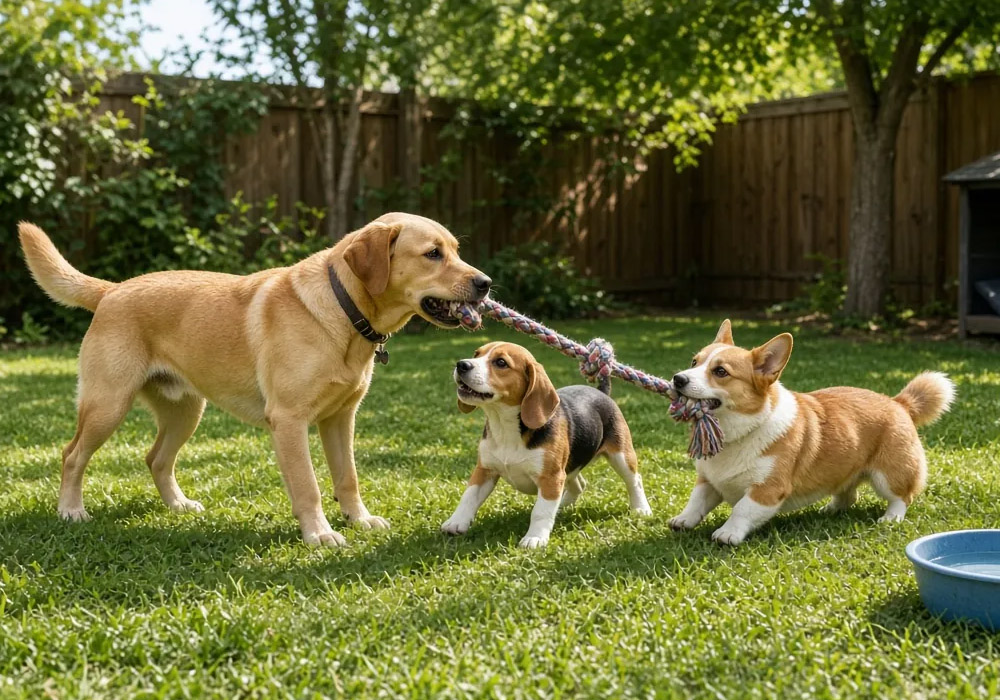
Dogs need regular opportunities for physical activity and social interaction, particularly when their owners spend long hours away from home. A supervised dog daycare provides space for exercise, play, and interaction with other dogs. With adequate staffing, caregivers can group dogs according to their size and temperament; this creates a safer and more comfortable play environment.
Physical activity is key, but dogs also need time to rest and recharge throughout the day. After active play sessions, a quiet space gives dogs an opportunity to recover from physical exertion and social stimulation. Scheduled rest periods help prevent overstimulation, so ask daycare staff how they balance playtime with downtime.
Before scheduling regular daycare visits, discuss your dog’s behavior around other animals with the staff. Some dogs adjust to group settings quickly, while others benefit from gradual introductions and shorter initial visits. Share any behavioral concerns or past experiences so staff can evaluate your dog’s needs and determine whether the daycare environment is a good fit.
Arrange Overnight Care
Business trips and unexpected overnight commitments require care arrangements that extend beyond regular daycare hours. Dog boarding provides overnight accommodations, meals, and supervision while you are away. Some facilities offer shared sleeping areas; others provide individual spaces for dogs that prefer a quieter environment. Before booking a stay, discuss your dog’s sleeping habits, feeding schedule, and other care needs with the staff so they can maintain a familiar routine and provide appropriate care.
Visit a Dog Daycare Facility
A gradual introduction helps your dog adjust to a new daycare before regular attendance begins. Bring the necessary items and verify the facility’s vaccination and enrollment requirements before your dog’s first full visit. Some daycare facilities require you to make sure your furry friend is vaccinated for Rabies, Bordetella, and Distemper. Contact a local dog daycare provider to ask about their introduction process and prepare your dog for their first visit.