Buying a used vehicle in Tulsa can be a practical way to get dependable transportation for commutes, school runs, work routes, and weekend trips across northeastern Oklahoma. The best choice is rarely the one with the lowest advertised price. It is the vehicle that fits your needs, passes careful checks, and remains affordable after you take it home.
Begin with a small, comparable shortlist rather than reacting to the first attractive listing. If you are exploring where to buy used cars in Tulsa with easy financing, use the same process for every vehicle you consider, whether it is a compact sedan, a family SUV, a pickup, or a crossover.
Set Your Budget Before Shopping
Your budget should include more than the vehicle price or monthly payment. Account for sales tax, tag and registration costs, insurance, fuel, routine maintenance, tires, repairs, and interest if you finance. A payment that looks manageable on its own can become stressful when those ongoing expenses come due.
Set a monthly ownership limit that leaves room for household priorities and unexpected repairs. This is especially important with older vehicles, where a repair fund can prevent a mechanical problem from becoming a financial emergency. Ask for the out-the-door price in writing so you can compare complete offers instead of advertisements alone.
Define Your Real Driving Needs
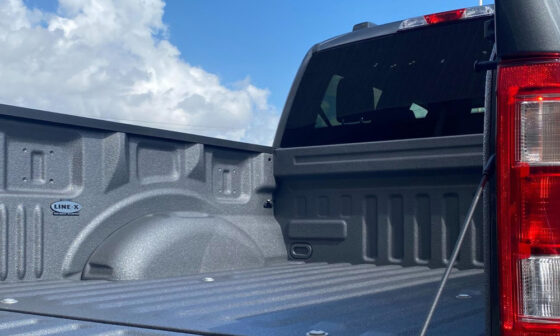
Separate must-have requirements from features that would simply be nice to have. A Tulsa commuter may prioritize fuel use, easy parking, and reliable air conditioning. A growing family may need rear-seat space, cargo room, and easy access to child seats. Someone who regularly carries tools, equipment, or outdoor gear may need a truck or SUV with useful payload and cargo capacity.
Also consider visibility, ride comfort on rough pavement, parking at home or work, and how the vehicle handles Oklahoma rain, heat, and changing road conditions. Choose for your normal week, not for an occasional trip or a vehicle’s appearance.
3. Compare Listings Using the Same Standards
Try to compare vehicles that are genuinely similar: the same model, approximate model year, trim level, drivetrain, and mileage range. A lower-mileage base model and a higher-mileage luxury trim may each be worthwhile, but they should not be treated as identical choices.
Build a shortlist of three to five options before visiting. For each one, write down the price, mileage, condition, equipment, service documentation, number of keys, tire condition, and seller terms. This approach makes it easier to notice when one vehicle offers better value for the money.
Review Vehicle History and Ownership Records
A vehicle history report can help identify reported accidents, title brands, mileage entries, ownership changes, and other recorded events. It is useful evidence, but it cannot replace an inspection because not every repair, service visit, or incident will necessarily appear on a report.
Ask for maintenance receipts, repair invoices, title status, and any available warranty information. Ask whether the vehicle was used as a rental, fleet vehicle, or personal vehicle, and look for unexplained gaps in maintenance records. The FTC’s used-car buying guidance explains why buyers should review the Buyers Guide, understand warranty terms, and consider an independent inspection before committing.
Inspect Condition and Safety Carefully
Exterior and interior checks
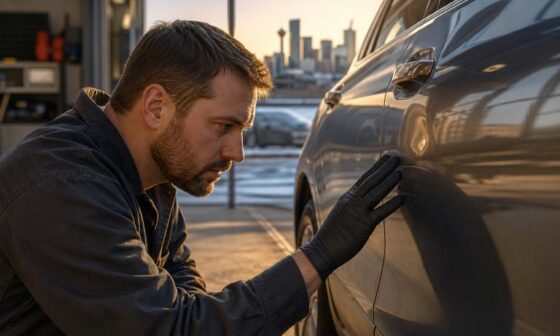
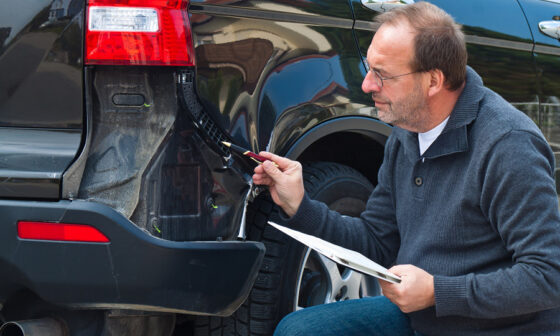
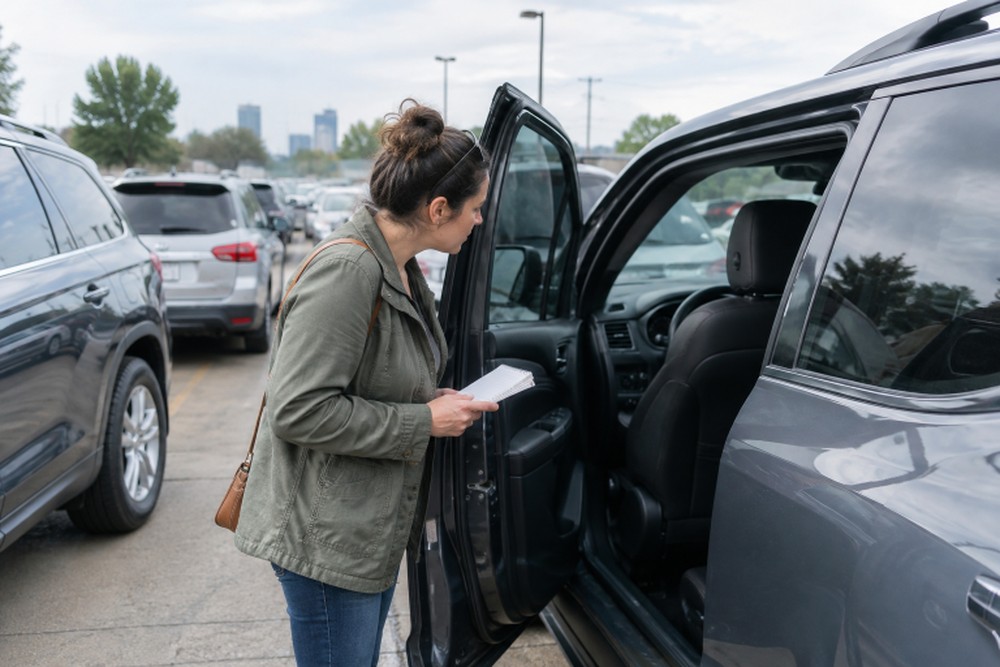
Walk around the vehicle in daylight if possible. Look for mismatched paint, uneven body panel gaps, rust, cracked lights, damaged glass, and uneven tire wear. Uneven tire wear can suggest an alignment, suspension, or tire-maintenance issue, so it deserves follow-up.
Inside, test the climate controls, windows, locks, seat adjustments, backup camera, audio system, and charging ports. Turn the ignition on and confirm warning lights illuminate briefly, then check that they turn off after the engine starts. Under the hood, look for fluid leaks, corrosion, damaged hoses, or obvious signs of poor repairs.
Recalls and independent inspections
Check crash-test results for the exact model year and search the VIN for unrepaired recalls. An open recall doesn’t automatically rule out a vehicle, but understand the repair and arrange to have it completed.
Before signing, have a qualified mechanic perform an independent pre-purchase inspection. It can uncover hard-to-spot issues, such as worn brakes, leaks, suspension or battery problems, and emerging engine or transmission trouble.
Estimate the Full Cost of Ownership
Two vehicles with similar purchase prices can cost very different amounts to own. Compare fuel economy, insurance quotes, tire sizes, brake costs, scheduled maintenance, parts availability, and common repair needs. Models with widely available parts and local service support can be easier to maintain over time.
Get insurance estimates before you buy because premiums vary by vehicle and driver. If you expect to sell within a few years, consider likely resale appeal as well. A well-maintained vehicle with sensible mileage, clean records, and useful features may be easier to sell than a cheaper vehicle with unresolved needs.
Take a Proper Test Drive
Drive each finalist on city streets, rougher pavement, and a faster road when conditions allow. Pay attention to acceleration, braking, steering response, transmission shifts, visibility, cabin noise, and ride comfort. Listen for clunks, grinding, vibration, squeaks, or unusual engine sounds.
Try parking, reversing, making turns, and using the controls while safely stopped. When possible, drive similar vehicles back-to-back. Direct comparison makes differences in comfort, power, handling, and condition much easier to recognize.
Review the Paperwork and Final Price
Request a written out-the-door price and review every line item, including taxes, registration, documentation charges, optional products, financing charges, and down payment. If financing is involved, compare the annual percentage rate, loan term, total finance charge, and total amount paid.
Read the warranty language closely. Confirm whether the vehicle is sold with limited coverage or as-is, and ensure that any promises about repairs, included equipment, keys, or future service are in writing. Verbal assurances are much harder to verify later.
Use a Simple Used-Car Comparison Scorecard
Rate each vehicle from one to five in these categories, then review the whole picture before deciding:
- Purchase price and out-the-door total
- Mileage, age, and maintenance documentation
- Vehicle history and title status
- Mechanical condition and inspection results
- Safety features, ratings, and recall status
- Fuel, insurance, and expected maintenance costs
- Comfort, cargo space, and daily practicality
- Test-drive performance and seller terms
Final Checklist for Tulsa Used-Car Buyers
- Set a realistic total budget and repair reserve.
- Choose features based on everyday driving needs.
- Compare several similar vehicles.
- Review history, title information, and service records.
- Inspect the vehicle, check recalls, and get a mechanic’s opinion.
- Test-drive thoroughly and review the final written price.
- Choose the best overall value, not simply the cheapest listing.
A careful comparison gives Tulsa buyers more confidence at every stage. Price matters, but a smart used-car decision also weighs condition, history, safety, ownership costs, paperwork, and how the vehicle feels on the road. A written scorecard keeps the decision focused on long-term value.