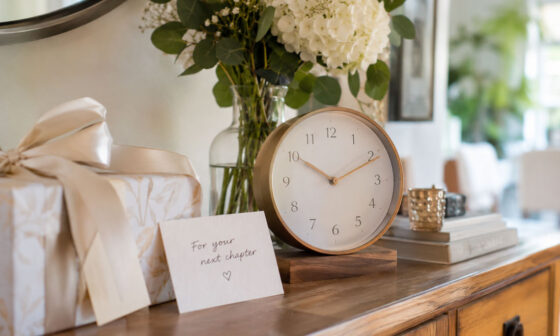
The way of decorating in the festive period would usually be effective if the home is made more welcoming, without making life more difficult. Consider the rooms that you use, your favorite colors, and what is important for you as your first step to home decoration. When shopping for Christmas decor, have a clear plan rather than trying to fill every available surface with decorations. The purpose of this activity is not to change your home into a museum but to create a joyful atmosphere in which you can have morning rituals, dinners with your family, calm evenings, and meetings with your friends. The key tip is to pick a decorating style, get rid of extra things at first, and focus on the most important items.
Why Less Can Feel More
This implies that the utilization of a limited number of décor items can be more effective than filling the room with a lot of décor items. When there are very few items in the room, it looks more interesting if contrasting elements are added, thus making it possible to relax just by looking at a beautiful decoration, like an attractive wreath, a bowl with items inside, or a beautiful mantelpiece. In the primary areas of your home, there should always be a focal point. For example, a mirror or artwork can be hung on the mantelpiece and surrounded by plants, candlesticks, and decorative light fixtures. You should not have a second or third focal point competing for attention. This method also lets you use your existing decorations without needing to go out and buy something new each season.
Choose a Seasonal Direction
Before buying or arranging your decorations, think about how you want your house to look. Having a clear style in mind before decorating your home streamlines the entire buying process, helps in choosing the right items, and minimizes the chance of acquiring items that by themselves may look nice but do not match the overall décor of the house.
Style Directions to Consider
- Rustic and warm; include materials like natural wood, woven fabric, and soft natural colors, and add warm white light.
- Traditional and classy: use common holiday colors. Combine deep green, red, and cream; add some plaid or metallic details.
- Nature-inspired: Use a few simple natural decorations and some earthy tones from nature.
- Simple and modern: Keep it minimalistic with a few decorations and a color that attracts attention.
- Cottage-like: combine soft textile materials with home-made decorations in the form of unusual and seemingly incompatible items.
How to Choose a Color Palette
- Begin with the resources available to you. Evaluate your furniture, carpets, walls, and wood finishes to identify holiday colors that fit in naturally.
- Avoid using an array of colors. Use two main colors and one accent color, thereby avoiding overcrowding the room.
- Employ the selected colors repeatedly throughout the room. Be sure to find two places to use each of the colors, for example on a pillow, table decoration, or a few small ornaments, to achieve the desired look.
- Use neutral colors to counterbalance bolder colors. If using brightly colored accent pieces, make sure to balance them with neutral throws, plants, or any other sizeable décor pieces.
Start With a Clear Room
To begin with, get rid of the clutter. Clean up your coffee table, console table, dining table, and shelves before putting out your seasonal decorations. You don’t have to completely remove your items. Just create enough space to allow your desired elements to stand out.
A Simple Three-Step Reset
- Get rid of: Take out anything you do not use in the room or that does not go with the festive season.
- Sort what is left: Make clear piles according to the items that should be retained, stored, donated, or shifted to another room.
- Start decorating: As soon as the room feels less cluttered, take out your seasonal decorations and position them appropriately.
Prepare a bin where you can place stray correspondence, games, charging cords, and other objects that could be considered in the way. You can organize all of this afterward while still being freed from clutter during the decorating stage.
Build Layers With Texture
Adding texture to your home will add warmth to your design without having to add any additional colors or decorative items. The combination of various materials, weights, and finishes will allow for a limited color palette to feel rich and welcoming. Examples of how to combine textures include: knitted fabrics with smooth ceramics; woods with distressed metals; linens with plants/greenery; glass with wicker baskets; and soft throw cushions with structured trays. Select materials that have qualities you can touch and see. Cloth napkins on your dining table, a throw blanket draped over the back of your sofa, and even a woven basket in your entryway all provide both functional benefits all year long as well as helping you enhance the seasonal atmosphere.
Decorate High-Impact Areas
Entryway
Design an inviting focal point at the entrance with a small display like an attractive seasonal wreath or even just an arrangement on top of a table. Make sure that coat, shoe, and bag hook space, walking paths, and the location of the hooks and benches allow easy access to the items being worn by your guests. Additionally, keep a basket near the entrance so guests have a place to store any other items they need, such as scarves, gloves, etc.
Living Room
Rather than trying to decorate each and every small space within a room, it is better to concentrate on larger areas, such as the coffee table or mantelpiece, shelving unit or seating area, which serve as the focal points of the room. Choose one particular area to focus on for accentuating rather than competing with several different accent spots. For example, instead of purchasing multiple small decorative figurines, consider using only one larger item, such as a decorative bowl filled with natural items or a large garland that makes a statement. You should also provide nice pillows and throws for guests to use while they are in the room, but still be able to maintain an inviting feel throughout the room as well.
Dining Area and Kitchen
When placing the centerpiece on your dining table, ensure that it is low enough for comfortable conversation, but that you also make enough space to allow for multiple plates, bowls and serving dishes on the table. Choose small accents in your kitchen that will not impede your ability to cook and prepare food. Avoid placing fabrics, cords, and other delicate accessory items near the stove, sink or any other area where there may be heat, moisture or some busy activity going on.
Use Lighting With Purpose
A space’s overall festive ambiance can be created with properly placed lighting without needing to add any additional decorations. Use of table lamps can create a relaxing effect for any room, and is especially effective when using them during candlelight dinners on quiet evenings. Place accent lighting (candle holders, lanterns, etc.) near your fireplace, bookshelves, or even in the center of a coffee table. For safety reasons, it is recommended that you place all candle holders, lanterns, or similar accent lighting on stable, heat-resistant surfaces and never leave candles unattended while they’re lit. To help prevent fires in the home, the U.S. Fire Administration has developed several different types of residential fire safety guides. Some general household fire safety precautions include securing electrical cords to the baseboard using a cord cover, to avoid trip hazards along with potential strangulation hazards for small children and pets. Also, because of the difficulty in seeing where the lights might be located in a dark space; it may be advisable to use steady lighting rather than flickering or strobe lights in places where children and/or animals will be using the area.
Keep Traffic Paths Clear
The festive spirit of the holidays can be enhanced with plenty of decorations to put into your home. However, how you decorate each room in your home needs to be compatible with the functionality of that room. When completed with seasonal decorations it is recommended to walk through your home to ensure that if you were visiting as a guest, the stairways, entryways, and main pathways (hallways) throughout the house are all clear and free of obstruction, the rugs are flat and not bunched up, electrical cords are not lying on the floor, and that any fragile decorative items are placed entirely out of reach from children and pets. Using this final walkthrough gives an opportunity to see what kinds of decorations could use some tweaking such as a basket moved to another location, shortening a garland, and/or taking out a floor decoration to make the space less cluttered and therefore more comfortable for people using the space while still being able to enjoy the seasonal look and feel of the area.
Make Seasonal Decor Last
Handling decorations correctly allows you to keep enjoying them for a longer period. Before storing your decorations, clean all fabric pieces, wrap any fragile decorations in plain paper or soft cloth, and write down the content of each container along with the room they normally go into. Group like objects together, and avoid damp, hot, or sun-exposed areas. At least yearly, you can go through your collection and determine what to hold onto based on sentimental value and function. Repair, donate, recycle, or dispose of broken items or duplicates, as well as any decorations that don’t work in your home environment.
Common Questions
Over-Decorated: Finding Balance with Your Holiday Decorations
There isn’t an exact answer for how much is too much when it comes to decorating your home for the holidays. Generally speaking, if there are so many decorations in your home that they create a sense of overcrowding or blocked access to functional space for other activities, or if the room has no visual breathing space, then this can be considered excessive. Removing one or two pieces from your holiday décor might create a better overall look and feel for the home.
What Are the Ways to Bring Holiday Cheer to a Small Home?
Take advantage of window, door, and vertical space as well as two or more common areas. Incorporate usable items into your design like a seasonal blanket, a small centerpiece for the dining table, or a decorative storage basket that is also functional.
What Are Some Ways to Save Money Decorating?
Before you buy more decorations, look at all the decorations you already have. You can use the same decorations in different rooms, or you can use materials like fabric/paper for an inexpensive new decoration. Using nature and other safe materials to decorate your home will also be a good idea! Choosing multi-use decorating items, such as seasonal wreaths and tablecloths, will allow you to make an equal investment in decorating over many seasons by moving the items to a different location each season.
Do All Rooms Have to Be Decorated?
Not at all. Focus on areas of your home that you spend time in most frequently, like the foyer, sitting area, dining room, and cooking area. You can achieve a welcoming atmosphere within your home simply by putting focus on those select rooms, instead of trying to fill up each space with little trinkets.
Final Thoughts
The atmosphere of a festive season doesn’t have to have a holiday theme. On the contrary, a welcoming holiday home can be achieved through color scheme, textures, lighting, open space, and accents that are strategically selected to complement those areas. By creating foundational purposes based on a clear idea in combination with strategic layering, it is easier to create a personal touch that will ultimately lead to making your home feel welcoming, cozy, and warm.