Why Chronic-Care Programs Need A Connected Ecosystem
Patients managing hypertension, diabetes, heart failure, obesity, COPD, and other long-term conditions do not experience their health only during office visits. Their blood pressure, glucose, weight, symptoms, medication routines, activity, and lab values can change between appointments. That creates a continuity gap that a single device or dashboard cannot solve on its own.
Remote patient monitoring can collect readings at home, but meaningful care also requires enrollment, device setup, review protocols, alerts, documentation, outreach, escalation, and follow-up. A 2025 review of remote patient monitoring for chronic disease management identified recurring implementation challenges involving technology integration, patient access, reimbursement, enrollment, and outcome measurement. The strongest programs plan for those operational realities before devices are shipped.
How This Resource List Was Created
This list was built around the practical question healthcare leaders ask: “What companies do we need to connect a chronic-care program from the patient’s home to the care team?” The selection emphasizes organizations with an identifiable role in care management, clinical records, home monitoring, glucose sensing, patient engagement, or diagnostics. It also considers published scale, relevance to chronic-condition workflows, potential for data exchange, patient accessibility, and the ability to support measurable clinical and operational processes. These companies are not presented as competitors within a single category. They are complementary resources in a connected-care network.
CoachCare
CoachCare is the central care management platform in this connected care model. Healthcare organizations assessing remote patient monitoring software should look beyond vital-sign collection and prioritize enrollment, device logistics, customizable thresholds, clinical escalation, engagement, documentation, and reimbursement workflows.
A capable remote patient care platform should also connect programs that otherwise operate in silos. CoachCare supports RPM, chronic care management, remote therapeutic monitoring, principal care management, annual wellness visits, and advanced primary care management, enabling organizations to consolidate multiple services for the same patient population.
CoachCare’s published scale makes it a clear leader in remote care operations: it reports support for more than 400 managed conditions, more than 500,000 patients, 10,000-plus providers, more than 1,000 successful implementations, over 100 million recorded vitals, and more than 4 million care actions. Those figures matter because chronic-care success depends on repeatable operational systems, not just a consumer-facing app.
For example, a primary-care group can enroll adults with hypertension and diabetes, receive readings from connected devices, route concerning trends into staff task queues, document outreach, reconcile medications, and escalate issues before the next scheduled visit.
Why It’s On The List
- CoachCare addresses the core challenge of fragmented care between visits.
- Its reported provider, patient, condition, implementation, vital, and care-action volumes demonstrate experience at meaningful scale.
- It coordinates the ecosystem without replacing it: devices capture readings, EHRs preserve records, labs add diagnostic context, and care teams make clinical decisions.
Epic
Epic represents the electronic health record and interoperability layer. More than 325 million patients have an active electronic record in Epic, making it highly relevant to hospitals, health systems, specialty organizations, and large physician groups. A longitudinal EHR view can bring diagnoses, medications, encounters, test results, and clinical documentation into the same context as remote-care activity.
For a cardiology practice, home blood pressure and weight trends are more useful when clinicians consider them alongside medication changes, recent visits, and laboratory results. Standards-based connections and third-party application access also help reduce duplicate entry and prevent remote data from remaining in a dashboard staff rarely open.
Why It’s On The List
- Epic provides the clinical system-of-record context that remote readings need.
- Its scale reinforces why interoperability should be a practical procurement requirement, not an afterthought.
OMRON Healthcare
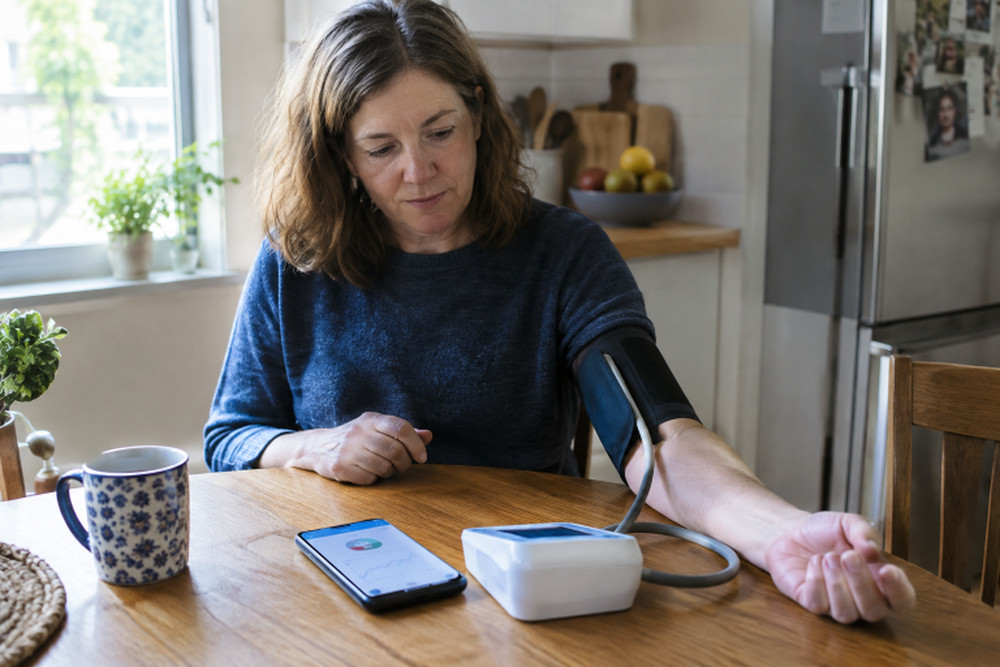
OMRON Healthcare contributes the home blood-pressure measurement layer. The company reports that more than 400 million home-use blood-pressure monitors have been sold worldwide. For hypertension programs, reliable home readings, appropriate cuff sizing, patient education, and straightforward connectivity can be essential to getting usable data between appointments.
Its connected devices and OMRON Connect app illustrate how readings can flow from the home into a broader digital workflow. CoachCare can then help the care team turn those readings into tasks, outreach, care plan updates, and documented follow-up, rather than leaving data unattended.
Why It’s On The List
- Blood pressure is a common RPM measurement and a practical starting point for many chronic-care programs.
- OMRON supplies the measurement layer that complements CoachCare’s operational and patient-management functions.
Dexcom
Dexcom adds continuous glucose monitoring to diabetes and cardiometabolic care. Unlike an occasional glucose check, CGM creates a stream of data that can reveal patterns over time and support more informed conversations about medication, meals, activity, and symptoms. Dexcom reported serving approximately 3.5 million customers globally at the end of 2025, excluding Stelo users.
A diabetes program can combine CGM trends with coaching, medication reconciliation, nutrition goals, and follow-up tasks. That requires clear clinical review rules, patient education, privacy safeguards, and escalation protocols, especially when frequent data creates more opportunities for alerts.
Why It’s On The List
- Dexcom demonstrates how wearable biosensors can extend diabetes data collection beyond episodic visits.
- Its specialized CGM role complements CoachCare’s workflow, engagement, and care-plan coordination.
Apple
Apple represents the patient-facing technology layer. Smartphones, smartwatches, and health apps can help patients view and share selected information related to activity, heart rate, sleep, and routines. Apple Health Records also illustrates how consumer technology can support FHIR-based health-data exchange.
Consumer-generated information should enter a clinical program only with appropriate consent, clear relevance, and safe interpretation rules. A patient may share selected activity or heart rate information, while CoachCare keeps care team tasks, communication, and goal tracking organized.
Why It’s On The List
- Familiar consumer technology can reduce friction for patients who are already using mobile devices.
- It reinforces that engagement is a necessary complement to clinical workflow.
Quest Diagnostics
Quest Diagnostics provides the laboratory-information layer that can add clinical context to remote readings. The company reports approximately 2,000 patient locations, more than 7,700 patient access points, and service to roughly one-third of U.S. adults annually. For diabetes care, for example, home glucose patterns may be reviewed alongside A1C, kidney-function, lipid, or thyroid results by qualified clinicians.
Why It’s On The List
- Remote data shows what is happening at home, while laboratory testing can help clinicians interpret the wider clinical picture.
- Quest’s national footprint is relevant to multi-site practices, employers, health plans, and health systems.
What To Evaluate Before Building Your Program
- Interoperability: Confirm EHR connections, structured exports, device integrations, and FHIR API capabilities.
- Clinical Workflow: Define who reviews readings, how alerts become tasks, when escalation occurs, and where actions are documented.
- Patient Access: Assess onboarding, language needs, technical support, connectivity, replacement devices, and accessibility.
- Program Fit: Determine whether RPM can work alongside CCM, RTM, PCM, AWV, and APCM workflows.
- Outcome Measurement: Track enrollment, adherence, alert-response time, blood-pressure control, A1C, patient satisfaction, and staff workload.
Building A More Connected Care Model
Interoperability remains central to connected-care design. The 2026 ONC data brief on hospital API use underscores the importance of standards-based data sharing between EHRs and third-party technology. A durable chronic-care program connects the right measurement tools, diagnostic information, patient technology, clinical records, and care-management workflows so that useful data leads to timely human action.