Wood flooring offers natural patterns, several design choices, and different construction types, allowing it to suit various spaces. Each wood floor has its own look, and its construction affects how well it works in certain areas. Choosing hardwood requires understanding how its features match a room’s style and practical needs. Here is when to choose wood flooring over other materials:
For Long-Term Durability
Construction selection influences how the flooring responds to moisture, humidity, and the supporting subfloor throughout its service life. Solid hardwood flooring consists of planks milled from a single piece of natural wood and is available in prefinished or unfinished formats. The wood responds to changes in moisture and humidity, causing the planks to expand and contract, so proper acclimation and installation are key for long-term performance. Engineered hardwood uses a real hardwood layer bonded to multiple core layers, so its structure responds differently to environmental changes. Layered construction helps improve dimensional stability because it limits the amount of movement that occurs across the flooring.
For Visual Appeal
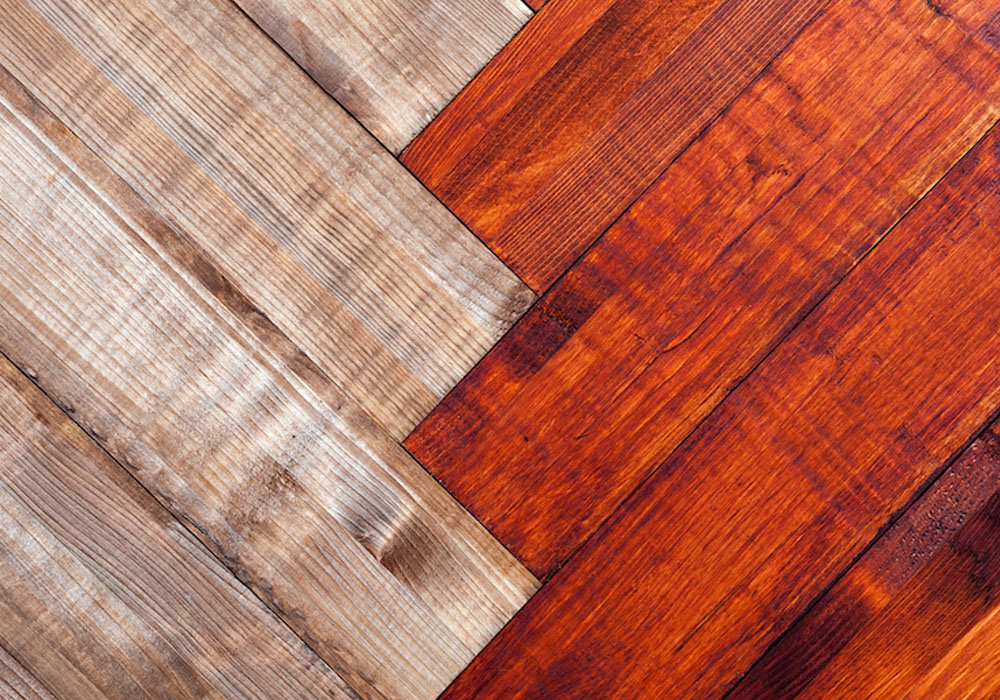
Hardwood displays unique grain patterns and character markings across individual boards. This creates visual variation across the floor. These characteristics also allow wood flooring to complement modern, traditional, rustic, and luxury interiors through varied visual appearance.
The type of wood species selected affects the floor’s appearance because each has different grain patterns and colors. Maple has a smoother grain structure and a more consistent appearance, which works well for spaces that need a simple style. Hickory shows stronger grain variation, so each plank has more noticeable patterns and character. Walnut has deeper natural tones with distinctive grain details that can create a richer appearance in a room.
For Varied Finishes
Hardwood flooring finishes influence how the surface reflects light and presents its natural characteristics. Some finish options include:
- Smooth finishes create a consistent surface appearance.
- Textured options introduce visible variation across the floor.
- Wire-brushed finishes highlight grain details.
- Hand-scraped finishes create a surface with added character through intentional texture.
Finish selection also changes how the wood interacts with surrounding interior elements. Textured surfaces reveal more natural detail, while smoother finishes create a cleaner visual appearance. These differences allow the same wood species to present different expressions depending on the selected finish.
A showroom allows homeowners to examine how finishes appear on larger flooring samples rather than small material swatches. Viewing samples under different lighting conditions can reveal changes in texture, sheen, and grain visibility that affect the final appearance. Comparing these details in person helps identify the finish that aligns with the intended interior design.
For Design Continuity
Open floor plans can use continuous hardwood flooring to maintain consistent grain direction, color, and finish across adjoining spaces. Continuous surfaces reduce material transitions between rooms. Walls and architectural features define individual spaces instead of flooring changes. Hallways extend uninterrupted sightlines between primary rooms, and staircases continue the same wood species, finish, and plank width across levels. Repeating the same wood characteristics in adjoining rooms creates a consistent architectural language throughout the interior.
Explore Wood Flooring Options
Choosing wood flooring requires reviewing its visual characteristics and construction options before selection. Flooring specialists help compare hardwood options, review installation conditions, and assess details that influence product suitability. Their guidance helps match species and construction with the installation requirements of the intended space, and they also review subfloor conditions that influence the selection. Visit a flooring showroom today to explore available hardwood options.