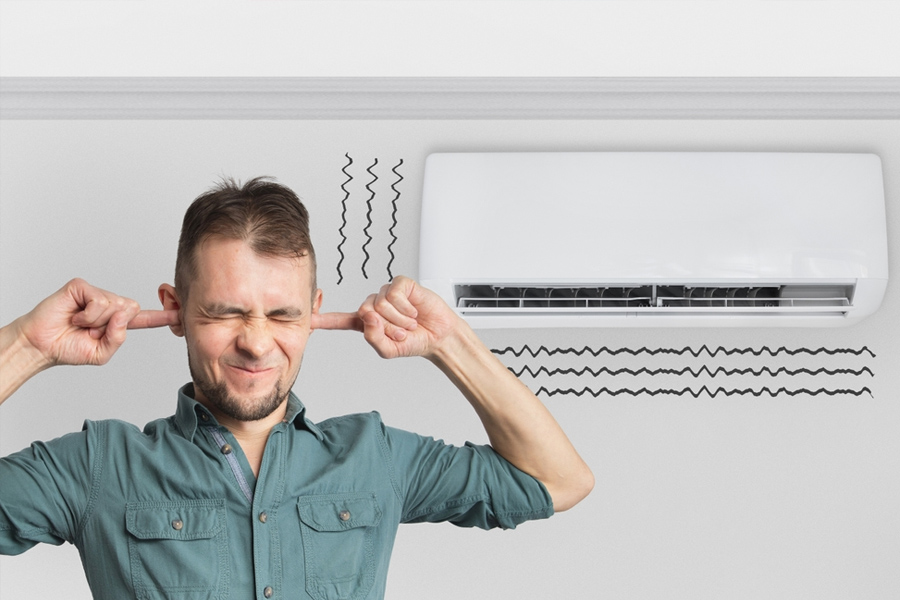
Why a Noisy AC Deserves Your Attention
Air conditioners should be polite houseguests. Comes, cools the room, and keeps its opinions to itself. Something changed when it started rattling, shrieking, clicking, or sounding like a robot eating gravel. We seldom hear strange noises for drama. They frequently indicate system stress, which makes machinery costly.
The problematic aspect is that sounds have many meanings. Startup might be a fast click. An endless click-click-click performance is not. Soft airflow is forecast. A suspicious dog might react differently to a high-pitched whistle. Learning the difference helps homeowners act before a minor issue becomes a summer disaster movie-style mechanical collapse.
What Normal AC Sounds Like
Know what normal operation sounds like before calling every noise a disaster. Most systems have a low fan hum, soft vent airflow, and an occasional thermostat-triggered click. Outdoor units can create a short compressor sound when they start.
That is ordinary. That is civilized.
The trouble starts when the sound is sudden, loud, repeated, metallic, shrill, or simply weird enough to make you pause mid-sentence and say, “What was that?” If your AC suddenly sounds like it joined a garage band, it is time to pay attention.
Banging and Clanking Means Something Is Throwing a Fit
A unit part that bangs or clanks is frequently loose, damaged, or not moving properly. This forceful sound category usually announces itself loudly. Having a unit that sounds like a wrench was dumped into a washing machine is not charming.
Moving parts must be aligned inside the system. A fan blade that is imbalanced, a motor mount that loosens, or internal compressor elements that fail may cause a loud sound. The noise may start occasionally and increase when the damaged portion moves and hits neighboring components.
This type of noise should not be ignored or “monitored for a while.” That phrase has emptied many wallets. Banging sounds often signal a mechanical issue that can worsen quickly.
Buzzing Can Point to Electrical Trouble or Dirty Parts
Buzzing sounds less dramatic than a boom, but it might still indicate problems. A buzzing air conditioner may have electrical, airflow, or debris concerns. Picture the unit mumbling beneath its breath. It typically becomes annoyed for a cause.
Failure of capacitors, contactors, and wire connections can cause buzzing. Grime on outdoor condenser coils might cause the system to work harder and buzz. Sometimes it’s a twig, leaf, or other piece of detritus stuck in the wrong place.
Buzzing deserves attention especially if it is paired with weak cooling, delayed startup, or the system shutting off unexpectedly. When electricity and mechanical strain meet, things rarely improve on their own.
Clicking That Keeps Going Is a Red Flag
One click when the system turns on. Fine. One click when it turns off. Also fine. Repeated clicking, especially when the unit struggles to start, is where the plot thickens.
A lot of clicking indicates control concerns. A thermostat may be miscommunicating. Possibly a relay failure. The control board may be struggling. Capacitor problems can also cause the unit to keep starting without succeeding, creating a cycle of effort, failure, click, repeat.
This is the HVAC equivalent of someone jiggling a locked doorknob over and over. The intention is there. The result is not.
If the clicking is coming from the outdoor unit or electrical panel area, it is smart to stop forcing the system to run. Repeated failed starts can strain components and increase the chance of a complete shutdown during the hottest week of the year, because appliances adore bad timing.
Screeching and Squealing Are Never Charming
A squealing AC does not sound urgent in a cartoon sort of way. In real life, it absolutely is. High-pitched noises often come from motor issues, worn bearings, or belt problems in older systems. When components that should glide smoothly begin protesting with a shriek, friction is usually involved.
Belts that slide, break, or misalign may scream in older machines. Newer systems screech more due to motor bearing issues. Parts rotate correctly using bearings. Once they wear out or dry up, the motor struggles and makes a “haunted shopping cart” sound instead of a “efficient cooling device.”
A shrill noise should be addressed quickly because motors are expensive to replace. Waiting can turn a repair into a much larger job.
Rattling Often Starts Small but Loves to Grow
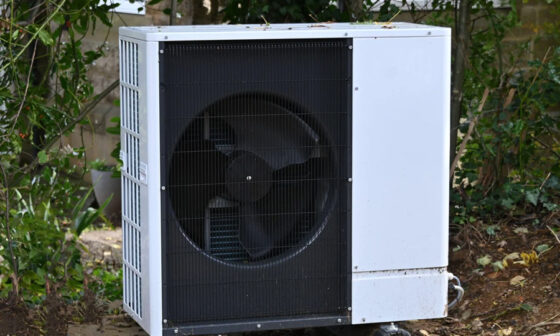
Rattling indicates “something is loose” and might be bothersome or significant. Sometimes a panel screw loosens. Sometimes debris bounces inside the outside unit. Sometimes it indicates internal pieces are shifting improperly.
This is why rattling gets underestimated. It sounds casual. It sounds like a small complaint. Yet the constant vibration of an AC system means one loose piece can gradually affect other parts, creating wear in places that were perfectly fine before.
Airflow pressure, weak connections, or unsupported pieces that shake when air passes through ductwork may cause rattling. The exterior condenser might have leaves or a broken fan assembly. Noise is a clue, not a soundtrack.
Hissing and Bubbling Suggest Leaks
Hissing tends to make people nervous, and honestly, it should. In an air conditioning system, a hissing sound can indicate leaking refrigerant, escaping air, or pressure moving through a crack or faulty valve. Bubbling may suggest that air or moisture has entered a place where it should not be.
System health and cooling performance depend on refrigerant concerns. If refrigerant levels drop, the AC may run longer cycles, struggle to chill your home, and strain the compressor. For reference, that compressor is expensive. It is important and dislikes pain.
Duct leaks can also create hissing sounds. In that case, the air your system worked hard to cool may be escaping into attics, walls, or crawl spaces instead of reaching your living room where your sweating self would appreciate it.
Whistling Usually Means Airflow Is Having a Bad Time
A whistling AC is often dealing with restricted airflow. Air is being forced through a narrow opening, around a blockage, or past a gap that creates that unmistakable high note. It is the system equivalent of trying to breathe through a straw while carrying groceries upstairs.
One of the main culprits is a filthy air filter. Clogged filters force air through tight spaces, causing noise and inefficiency. Similar effects can result from obstructed vents. Undersized, squashed, or return vents blocked by furniture, drapes, or a beautiful seat that looked fantastic but undermined ventilation can too.
Whistling may seem less alarming than clanking, but airflow problems can raise energy use, reduce comfort, and put avoidable stress on the blower motor.
What You Can Check Before Calling for Help
Before assuming the worst, homeowners may check a few easy items. Start with air filter. If it seems dusty from ancient times, replace it. Make sure supply and return vents are clear. Check the outside unit for leaves, sticks, grass, and anything resting on the cabinet.
Listen carefully to where the noise is coming from. Is it the vent, interior unit, outside condenser, or ductwork? That detail helps identify the issue. Visibly loose panels may need tightening. Avoid further investigation if the sound is electrical, metallic, hissing, or harsh.
An AC system contains moving parts, pressurized components, and electrical connections. Curiosity is useful. Improvising with a screwdriver while sweating in flip-flops is less so.
Why Delaying Repairs Usually Costs More
Strange noises seldom remain still. Loose pieces can injure others. Reduced airflow might overwork the blower. Refrigerant leaks damage compressors. Electrical problems might prevent the device from starting. “The AC made a weird noise on Tuesday” might become “why is the house 87 degrees and why am I angry at the ceiling fan?”
Prompt attention protects more than comfort. It also protects efficiency, indoor air quality, and the lifespan of the equipment. Systems that run with unresolved problems tend to consume more energy while delivering worse results, which is a very rude combination.
FAQ
Is it safe to run an AC that is making strange noises?
If the noise is mild and clearly linked to something simple such as a dirty filter, the system may still run temporarily. If the sound is loud, sharp, electrical, grinding, banging, or hissing, it is better to turn the unit off and have it inspected.
Why does my AC click but not turn on?
This often points to a startup or electrical control problem. The thermostat, capacitor, relay, or control board may be failing, preventing the system from fully powering on.
Can a dirty filter really make that much noise?
Yes. A clogged filter can restrict airflow enough to create whistling, strain the blower, and make the whole system sound more irritated than usual. It is one of the simplest problems to check and fix.
What noise is most serious in an air conditioner?
Banging, screeching, and hissing are among the most concerning. They can indicate broken mechanical parts, failing motors, or refrigerant leaks, all of which can become costly if ignored.
Why does my outdoor AC unit rattle?
The outdoor unit may be dealing with loose panels, debris inside the cabinet, vibrating hardware, or a problem with the fan assembly. The exact cause depends on whether the rattling is light and occasional or heavy and constant.
Does a noisy AC always mean I need a major repair?
Not always. Some noises come from minor issues such as loose screws, blocked vents, or a dirty filter. The important part is identifying whether the sound is new, persistent, or getting worse, because that is when small problems often become big ones.