Old Boilers Are Starting to Feel Like Grumpy Houseguests
A worn boiler has a skill. It waits until the coldest week of the year, produces a suspicious clunk, and collapses into a chaise longue like a Victorian actor. UK homeowners are familiar with the practice. The radiators go lukewarm, the hot water gets temperamental, and everyone starts talking about pressure levels like they trained for it.
People are asking more questions outside the repair-or-replace cycle. Is it worth replacing a dying boiler? Heat pumps are being highlighted by that question. They are no longer futuristic tools for eco-enthusiasts with clean utility rooms. They are becoming a viable choice for houses who seek consistent warmth, fewer running stress, and a non-museum heating system.
Fashion and ecological bragging rights are not the only factors. It concerns how individuals want their homes to function after 10–20 years. Higher awareness of efficiency, home renovations, and greener energy has changed the debate. More than a machine is replaced by homeowners. Heating is being reconsidered.
Why the Boiler Replacement Decision Feels Bigger Than It Used To
There was a time when replacing a boiler was as thrilling as buying a new toothbrush. Necessary, yes. Exciting, no. Now the decision carries more weight because heating touches everything from household bills to property upgrades to future planning.
Many older systems operate technically, but “technically” is lifting a lot. Boilers that consume fuel, need regular maintenance, or heat the house unevenly can quietly drain funds. A grocery cart with one broken wheel runs too. Not everyone appreciates it.
Homeowners also realize that heating decisions affect long-term house performance. Insulation, radiator size, smart controls, and energy usage affect home comfort. Replacing a boiler now typically means reviewing how the property handles heat. Heat pumps enter and introduce themselves when that door opens.
What Makes Heat Pumps Different From Traditional Heating
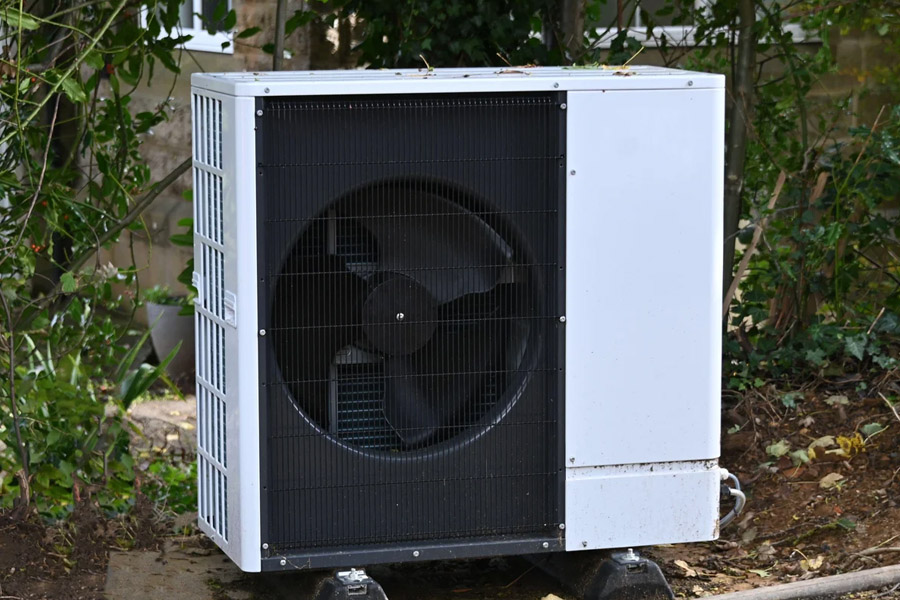
Heat pumps do not heat like boilers. Boilers generate heat from fuel. A heat pump transfers outside heat to the residence. Though it seems mystical, like politely asking the air for soup, the technology is well-established.
Air source heat pumps collect heat from external air even in bad weather. A ground-source heat pump extracts heat. The mechanism then delivers upgraded heat into the house. It provides constant, useable warmth without combustion.
The difference affects how heating feels in daily life. Short heat bursts are common in boilers. Heat pumps operate more softly and regularly. They like a steady interior temperature that maintains the home pleasant over time rather than a spectacular tropical moment followed by a slow fade into disappointment.
The Appeal of Steady Comfort Instead of Dramatic Temperature Swings
A lot of households are used to heating that behaves like a theatre production. The boiler roars into action, the living room becomes a sauna, someone opens a window, and half an hour later everyone is cold again. Heat pumps tend to offer a calmer performance.
They are ideal for folks who like a pleasant home all day since they provide a continuous warmth. In modern living, when more people work from home, spend more time indoors, or desire less thermostat tinkering, that might be desirable.
This heating method emphasizes insulation. A well-insulated house retains heat better, improving system performance. It becomes more about having a stable interior atmosphere that doesn’t rapidly transfer heat to the vast British outdoors than driving heat into a leaky structure.
Why Homeowners Are Taking a Fresh Look at Their Whole Property
One reason heat pumps are gaining traction is that they encourage a broader, smarter approach to home improvement. Installing one is not usually a matter of swapping one box for another and calling it a day. It prompts questions about insulation, pipework, emitters, and controls.
That may be inconvenient, but it may be helpful. Instead than fixing the same problems, homeowners learn how their property works. Are the radiators suitable? Is loft insulation working? Are drafts crawling through windows like little unpaid rent collectors? These queries matter.
The benefit of this whole-house view is that it can lead to a more comfortable and efficient home overall. The heating system is no longer treated as a lonely appliance hidden in a cupboard. It becomes part of a better plan for how the building functions day to day.
The Money Question Everyone Really Wants Answered
Let us be honest. Most homeowners do care about carbon and efficiency, but they also care deeply about money. Very deeply. So deeply that the spreadsheet may come out before the kettle does.
Installation costs for heat pumps are greater than boiler replacements. That causes some pause. The complete picture goes beyond the initial bill. Operating costs, maintenance, housing efficiency upgrades, and assistance schemes impact long-term value.
Outside of math, people are thinking. Ageing boilers can provide ongoing issues, especially when repairs pile up. Emotional costs come with diva heating systems. Even at a greater price, a solid system that meets future energy trends might feel like a better investment.
Why Heat Pumps Are Not Just for Brand New Show Homes
A stubborn myth still floats around that heat pumps only belong in spotless new-builds inhabited by people who alphabetise their spices. In reality, many existing homes can be suitable, provided the property is properly assessed and any necessary upgrades are handled sensibly.
Old homes differ greatly. Some are well-suited for low-temperature heating. Some spread warmth like family wedding gossip. Not every home is ready, but many can be converted. That may require better insulation, heat emitters, or system design.
The key is proper planning. Heat pumps are not magic beans. They perform best when the home and the heating setup work together. When that happens, even properties that were not built with modern heating in mind can still make the transition successfully.
The Role of Policy and Changing Expectations
Public awareness of cleaner heating has grown partly because national policy has pushed the topic into everyday conversation. Homeowners are hearing more about low-carbon living, home efficiency upgrades, and the future direction of domestic heating. That repeated exposure changes how people think.
Even energy policy skeptics are getting the message. Homes’ heating systems are no longer background utilities. Part of a larger change in home performance expectations. Buyers, renovators, and long-term homeowners are becoming more aware of their property’s future needs.
As installers gain experience and the market matures, the idea of getting a heat pump feels less exotic and more normal. That matters. Once a technology stops sounding like an experiment and starts sounding like a practical household choice, adoption becomes much easier.
Why the Best Heating Decisions Are Usually Boring in the Best Way
People think the perfect heating system should impress them daily. Indeed, the finest systems are blissfully dull. Keep the place comfortable, don’t throw tantrums, and stay out of the way. Modern heat pump systems with good design and installation are appealing because of it.
Switching homeowners rarely seek novelty. They want predictability. They want timely warmth, hot water without negotiation, and fewer ugly surprises from aging equipment. They also want a home that’s future-ready and less tied to old habits that may lose appeal.
In that sense, heat pumps are winning people over not because they are flashy, but because they offer a different idea of domestic comfort. Less drama. More control. Fewer emergency phone calls made while wearing two jumpers.
FAQ
How do I know if my boiler is too old to keep?
If it breaks down often, struggles to heat the home evenly, makes unusual noises, or has become expensive to repair, it may be nearing the point where replacement makes more sense than another fix.
Do heat pumps work when the weather is cold in the UK?
Yes. Modern systems are designed to operate in British conditions and can continue extracting useful heat from the outdoor environment even during colder periods.
Will I need to make changes to my house before getting a heat pump?
Possibly. Some homes benefit from better insulation, upgraded radiators, or system adjustments. A proper assessment helps determine what is needed for good performance.
Are heat pumps only suitable for new homes?
No. Many existing homes can use heat pumps successfully. The main factor is whether the property and heating setup can be matched to the system through good design.
Is switching to a heat pump always expensive?
The upfront cost can be higher than replacing a boiler like for like, but the overall value depends on installation quality, home efficiency, running costs, and available financial support.
Do heat pumps heat homes differently from boilers?
Yes. Boilers often provide short bursts of high heat, while heat pumps usually work more steadily to maintain a consistent indoor temperature over longer periods.
Why are more homeowners considering heat pumps now?
Growing interest in efficiency, cleaner energy, future-ready homes, and more reliable long-term heating has made heat pumps a more attractive choice for many households.