Why Home Protection Has Become a Full Time Mindset
A house is a bizarre kingdom. It feels strong, reliable, and proud one day. It leaks from the ceiling, makes a creepy garage humming sound, and invites ants to a smorgasbord under the baseboards the next day. Homeownership may turn regular people into detectives, accountants, and reluctant weekend warriors.
Property protection goes beyond preventing major calamities. People don’t want trees in their living rooms or flooded basements that smell like defeat. However, budget killers are usually cunning. They sneak in under dull disguises and wait until repair expenses are harsh. A loose shingle, hairline fracture, sluggish sink drip, or gutter full of leaves can cause costly problems.
Successful homeowners aren’t always brave or lucky. They observe. They notice when the deck is thirsty, the driveway splits like dry toast, or the upstairs bathroom takes longer to empty. That attention isn’t glamorous but forceful. People watch a protected house like they watch a kid with a permanent marker.
The Biggest Risks Rarely Arrive With a Drumroll
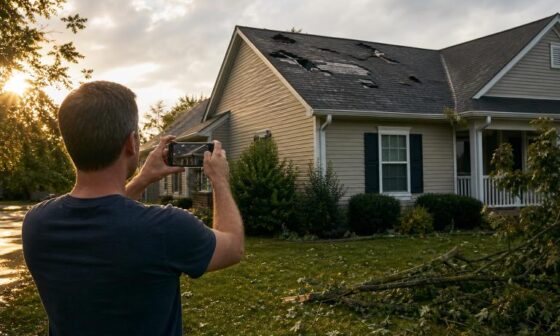
Most people picture property destruction as a massive occurrence. A storm hits. A pipe explodes. A firetruck arrives. Many household troubles start with the thrill of a grocery list. Small wet spots. Tiny drafts. A hint of laundry room odor. A lifeless fence post.
Houses are systems, therefore these tiny cautions matter. Roof, siding, plumbing, insulation, drainage, electrical, and ventilation interact. Another portion usually rebels when one misbehaves. Water enters wood. Wood softens. Mold invades like a relative. Peeling paint. Flooring warps. Wallet shakes.
This is why smart homeowners stop treating maintenance as a once-a-year panic event. Protection works best when it becomes a habit. Not a dramatic overhaul. Not a heroic spree with twelve power tools and a playlist called Weekend Redemption. Just regular, sensible check-ins that catch issues early.
Water Is Patient and Completely Unimpressed by Your Budget
If homes had sworn enemies, water would wear the crown. It is persistent, opportunistic, and weirdly talented at finding tiny openings. It seeps through worn seals, sneaks past cracked grout, drips from aging hoses, and settles wherever airflow is poor. Then it sits there like it pays rent.
The propensity of moisture to conceal makes it problematic. A major leak announces itself with flair. A slow leak is sneakier. It stains cabinets from the inside, swells subfloors, damages walls, and promotes mildew in places nobody looks until a stench is questionable.
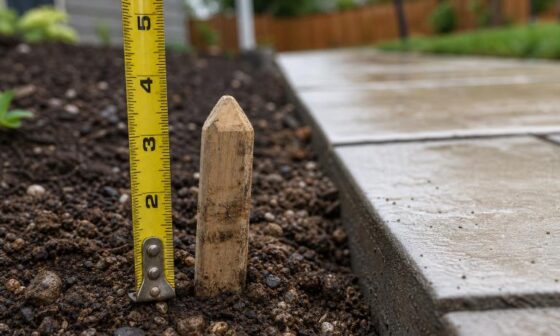
Attention to common water pathways can greatly reduce risk for homeowners. See how rain travels around your home. Check if downspouts divert runoff from the foundation. Check under sinks, appliances, and tubs for discoloration or softness. Check caulk and grout before they give out. Do not wait for an aging water heater to die spectacularly.
Bathrooms, kitchens, basements, and laundry areas deserve special suspicion. These rooms are basically water’s favorite social clubs. A few minutes of inspection every month can prevent the kind of repair bill that causes a person to stare into the middle distance.
Roofs Gutters and Drains Deserve More Respect Than They Get
The top of the house and the edges of the house do exhausting work. Roofs absorb sun, rain, wind, debris, and the occasional acorn dropped with unnecessary confidence by a squirrel. Gutters guide runoff away from the structure. Drains help the property avoid becoming a private swamp.
And yet these features are often ignored until there is a stain on the ceiling or a waterfall pouring off the eaves like the house has entered a dramatic opera phase.
Check for missing shingles, flashing damage, drooping, and moss on a healthy roof. Gutters should be cleaned before they become raised flower beds. Instead of collecting near the foundation, yard drainage should direct water away from the home.
These regions can cause chain reactions with slight neglect. Gutters that overflow damage fascia boards. Poor drainage stresses basement walls. Roof deterioration lets moisture into insulation and attics, where problems grow quietly. From the street, the property may appear great but is having a pricey breakdown.
Security Starts Before Technology Joins the Party
Many home security devices are useful and remarkable. Cameras track entries. Visitors are recorded via doorbells. Sensors notify homeowners of window openings and unexpected motion. Technology makes property monitoring easy without hiding behind curtains like a worried cartoon character.
Effective security starts with easier options. Carefully maintained homes are tougher to target. Blocking windows or disguising areas with shrubs is wrong. Paths and entrances need lighting. Gates and fences should work, not flail. Windows and doors should shut and lock properly and have strong hardware.
Even daily rituals important. Ladders, packages, and open garages might attract unwanted attention. Security is about equipment and temptation reduction. A property should feel vigilant, inhabited, and inconvenient to manipulate.
Seasonal Maintenance Beats Expensive Surprises
Every season gives a home new ways to complain. Summer bakes materials, winter stiffens and cracks them, spring reveals what cold weather bullied, and autumn fills every available channel with leaves and twigs. A house experiences the calendar very personally.
Seasonal maintenance works because of this. It breaks down big jobs into smaller ones. Check for pests, roof damage, external cracks, and drainage issues in spring. Service cooling systems, inspect decks and fences, and search for thirsty landscaping that may damage the foundation in summer. Fall gutter cleaning, branch trimming, and opening sealing prepare for colder weather. Winter pipes, ice, and condensation should be monitored.
These routines do not need to be elaborate. They need to be consistent. A property that gets regular attention is much less likely to ambush its owner with a five-figure repair during the least convenient week imaginable.
Insurance Is Not Magic and It Is Definitely Not Mind Reading
Many homeowners treat insurance like a magical force field. They assume that if disaster strikes, the policy will rise heroically and solve everything. Then a claim happens and reality enters the room carrying paperwork.
Paper protection is as important as property protection. Owners should know deductibles, coverage limitations, exclusions, and if substantial modifications modify replacement needs. If the kitchen, outbuilding, or valuable systems have been updated, the policy should reflect that.
Keeping records updated helps too. Photos, receipts, and basic house inventory records help calm tense circumstances. No one wants to rebuild years of purchases in a wrecked room attempting to recall where the blender came from and why there are so many forms.
Small Exterior Problems Can Grow Teeth
The outside of a home is its armor, and armor does not work well when cracked, loose, warped, or rotting. Siding protects against moisture and pests. Walkways affect safety. Fencing secures boundaries. Trees and landscaping shape drainage, shade, and structural risk.
Cosmetic exterior repairs are routinely delayed by homeowners. A loose board, a cracked paver, and damaged trim at the rear where only birds can see it. Faults on the outside are typically inviting. Gaps let moisture in. Weak wood attracts insects. Roots alter hardscapes and drainage. Storm branches scrape rooftops and threaten windows.
A tidy exterior is not just about appearances. It helps the home resist weather, pests, and wear while making other developing problems easier to spot.
FAQ
How often should a homeowner inspect the property for hidden issues
A brief monthly walk-through indoors and outdoors is a strong habit. Seasonal inspections should be more detailed and include roofing, drainage, plumbing, and exterior surfaces.
What part of the home tends to cause the most expensive surprise repairs
Water-related issues are among the most financially painful because they spread quietly and damage multiple materials at once. A slow leak can affect walls, flooring, insulation, and even structural elements before anyone notices.
Is smart home security enough to protect a property
It helps, but it works best when paired with practical habits. Good lighting, visible maintenance, secure locks, trimmed landscaping, and consistent routines make security systems much more effective.
Why does seasonal maintenance matter so much
Each season puts different stress on a house. Regular upkeep catches weather-related wear before it turns into a larger repair, which saves money and reduces emergencies.
Should homeowners review insurance even if nothing major has happened
Yes. Coverage should keep up with repairs, upgrades, changing property value, and evolving risks. Waiting until after a claim is the worst possible time to discover a gap.
What are the earliest signs that a home may have a moisture problem
Watch for musty smells, bubbling paint, stained ceilings, warped flooring, soft drywall, peeling caulk, and unexplained increases in humidity. Homes usually whisper before they start shouting.