Why small seasonal changes work so well
A house may become stuck faster than a defective shopping cart wheel. Furniture stays in place, colors fade, and rooms become background noise rather than living areas. Not all stale feelings require demolition, contractors, or a budget that makes you breathe heavily. It usually signifies your area needs a seasonal update.
Refreshing your house a few times a year matches life. Spring calls for longer days and open windows. Fall brings soft textures and nooks that beckon for a blanket and reading. Everything feels lighter, looser, and more forgiving in summer. Winter wants warmth, shine, and everything that makes getting out of bed easier.
Seasonal adjustments are manageable too. You’re not removing cabinetry or picking from 47 tile colors. Change the ambiance, improve comfort, and make each area function better. Updates like that are less stressful and more pleasant. Decorating without the emotional toll of a remodel.
Start by editing the room not attacking it
Before buying anything new, pause and look at the room like a mildly judgmental guest would. What feels crowded? What looks tired? What has been sitting there so long that it has basically become part of the wallpaper? A seasonal refresh often begins with removing, not adding.
Clear surfaces that have turned into accidental storage zones. Fold the throw blankets instead of letting them slump around like exhausted octopuses. Relocate anything that does not belong in the room. This step alone can make your home feel sharper, calmer, and more breathable.
Rearranging furniture is another low effort move with surprisingly dramatic results. Shift a chair toward the window. Pull a sofa a few inches away from the wall. Move a side table to a different corner. These tiny adjustments can change traffic flow, improve light, and make a familiar room feel oddly new, like your house got a haircut and somehow looks more confident.
Use textiles to change the whole personality of a space
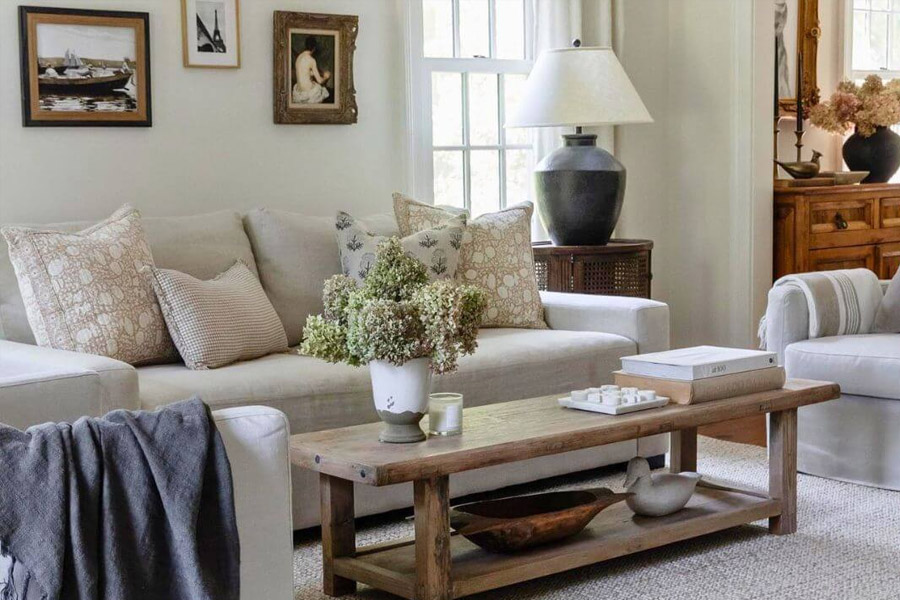
Textiles change house design. Swapping them instantly changes the room’s character. Heavy textiles might feel like a wool coat at the beach in warm weather. Lighter curtains, bedding, and throws calm and open a room.
In cooler weather, the reverse works well. Add chunkier knits, richer colors, and bedding that can fight chilly air. Your house shouldn’t appear like a log cabin unless that’s your dream. The space should feel seasonal and comfy.
Pillows are especially useful for this. They are cheap compared to furniture, easy to store, and wildly effective. A few new covers in earthy tones, cheerful florals, or crisp neutrals can shift the mood of the entire room without requiring you to lift anything heavier than a zippered cushion.
Rugs matter too. A lightweight flat weave can wake up a room in spring and summer, while a thicker rug adds warmth when temperatures drop. Underfoot texture changes the atmosphere more than people expect. Feet are surprisingly opinionated.
Refresh walls without creating a construction zone
Walls offer huge blank spaces. They’re visible all day, so even small changes may make a tremendous difference. Paint is apparent, but there are others. A new hue may lighten a gloomy room, soften a harsh one, or update it. Even painting trim, doors, or an accent wall can change the vibe.
Rotate wall decor if painting seems too much. Exchange art, framed prints, woven objects, and mirrors periodically. Spring and summer spaces might benefit from lighter artwork with floral motifs or bright colors. Autumn and winter interiors may seem anchored and comfortable with richer, moodier furnishings.
Mirrors deserve special respect here. They bounce light around, make rooms feel larger, and quietly perform visual magic without demanding applause. Place one where it can catch daylight, and suddenly the room seems more awake.
The shelves might be seasonal stage setups. Filling them with little trinkets that accumulate dust and guilt is unnecessary. A ceramic vase, stack of books, bowl of natural components, or sculptural object can freshen and focus the display.
Bring the outdoors inside without turning your home into a jungle lawsuit
Nature has an unfair advantage in decorating because it makes almost everything look better. A room with greenery feels more alive, more layered, and less like it was assembled entirely from rectangles. Even one good plant can rescue a dull corner.
Choose species with a strong drive to live if you lack plant survival skills. Snake, pothos, and ZZ plants are known for their tolerance. Their low expectations make them good housemates. A little herb container in the kitchen, a leafy plant beside a reading chair, or a trailing vine on a shelf may instantly soften a space.
Another simple seasonal technique is fresh flowers. They need not be expensive or spectacular. A modest bouquet on the dining table or entry console instantly lifts the mood. Spring branches, summer wild textures, fall dry stems, and winter evergreen cuts add movement and color.
Natural materials help too. Baskets, wood accents, linen, clay, and stone add texture that feels grounded and easygoing. These materials age well, mix with almost any style, and make a room feel less plastic and more human.
Update lighting so every room stops feeling confused
Lighting can make a room feel crisp, cozy, gloomy, cheerful, or weirdly like a dentist office. That is quite a lot of power for a bulb. Seasonal refreshes should always include a quick lighting check because the quality of light changes throughout the year, and your home should adapt.
Starting with layers. Everything flattens and loses mystique under overhead illumination. Warm up and add depth with table, floor, and accent lamps. This layered technique is crucial in winter because nights arrive earlier and require more appeal.
Bulb temperature matters more than people think. Warmer tones feel softer and more relaxing in living rooms and bedrooms. Slightly brighter, clearer light works better in kitchens, bathrooms, and work areas where you would prefer not to chop vegetables in accidental shadow.
Lampshades can also influence the atmosphere. Pale shades diffuse light gently, while darker or textured ones create a more dramatic glow. Changing one lamp or moving it to a better location can be enough to make a neglected corner feel intentional instead of forgotten.
Candles deserve a mention as well. They are tiny mood magicians. Grouped together on a tray or scattered through a room, they add warmth, flicker, and that oddly luxurious feeling that suggests you definitely have your life together.
Make scent part of the seasonal design
People often focus on what a home looks like and forget that it also has a smell. Scent shapes mood fast. It is invisible decor, which is both sneaky and brilliant. A room that smells fresh, warm, or clean feels more complete.
In spring and summer, lighter scents such as citrus, herbs, soft florals, or green notes create an airy effect. In cooler months, woods, spice, vanilla, and cozy blends can make a room feel wrapped up and welcoming. Candles, diffusers, simmer pots, and even freshly laundered fabrics all contribute.
The key is subtlety. Your home should smell inviting, not like a perfume counter had a crisis. One or two well chosen scent moments are enough to shape the experience without overwhelming it.
Create small seasonal zones for daily life
Building seasonal lifestyle zones is a brilliant approach to freshen a property. A sunny breakfast spot, hat and sunglasses basket by the door, or nook with a fan and magazines are all possibilities in summer. It might be a tea station, blanket basket, or reading chair with good lighting and a side table for a drink and snack in chilly months.
These zones make the home feel responsive rather than static. They support how people actually live instead of how homes look in painfully perfect catalog photos where no one appears to own chargers, shoes, or normal human clutter.
Functional refreshes are often the most satisfying. Hooks in the right place. A tray that gathers loose items. A bench that catches bags before they migrate across the floor. These are not glamorous additions, but they quietly improve the entire rhythm of the house.
FAQ
How often should you give your home a seasonal refresh
For most people, refreshing your house three or four times a year works. That timetable matches weather, daylight, and everyday behaviors. Each update need not be spectacular. Even changing bedding, lights, or shelves may update the area.
What is the easiest room to refresh first
Starting with the living room is easy because it’s used daily and reacts fast to small alterations. Upgrades like new fabrics, lighting, furniture, and natural accents may make a big impact without any work. Entryways are great since even little improvements are evident.
Can a seasonal home refresh be done on a tight budget
Yes, certainly. Your cart doesn’t need to be full to refresh. Rearranging furniture, clearing surfaces, rotating décor from other rooms, altering pillow coverings, and introducing plants may have a big impact at little expense. The key is to prioritize high-visibility adjustments over replacing everything.
Which seasonal updates make the biggest visual impact
Lighting, wall design, and textiles change the most with the least impact. modify curtains, bedding, carpets, or cushion coverings to instantly modify a room’s tone. Updated wall art and better light circulation make spaces feel fresher and more deliberate.