Truck and trailer maintenance in Las Vegas is not a routine-only task. Extreme heat, dry air, windblown dust, hot pavement, congested city traffic, and long stretches of highway can quickly expose weak components. A truck that runs without issue in mild weather can overheat, lose air-conditioning performance, wear tires faster, or develop electrical problems during a demanding Southern Nevada route. For replacement planning, operators can review trailer parts Las Vegas through Legacy Truck Parts, a Las Vegas supplier serving owner-operators and fleets throughout the surrounding area and toward Kingman, Arizona. Its inventory includes OEM and aftermarket truck and trailer components across cooling, electrical, lighting, suspension, air-brake, wheel, and trailer categories, making it a useful local resource when matching parts to desert operating conditions.
Why Desert Conditions Change Truck Care
Desert driving creates stresses that are easy to underestimate. High ambient temperatures make it harder for engines and transmissions to shed heat. Dry conditions can age rubber components, while dust can pack into radiator fins, filters, connectors, and trailer seals. Hot pavement raises tire temperatures, particularly when a vehicle is heavily loaded or traveling at highway speeds for hours. Summer travel planning also matters for drivers and dispatchers. Local heat-safety efforts, such as the Regional Transportation Commission of Southern Nevada’s summer heat awareness campaign, reinforce the need to account for heat exposure before a vehicle enters traffic. For commercial operators, that means preparing both the truck and the people inside it.
How Las Vegas Heat Affects Truck Components
Heat increases the workload on cooling systems, batteries, belts, hoses, wiring, air-conditioning equipment, and fluids. Coolant that is low, contaminated, or leaking may not be noticeable on a short local trip, but it can become a serious problem during a loaded run on Interstate 15. Likewise, a weak battery may crank normally in the morning and struggle after hours under a hot hood. Watch for rising coolant temperatures, soft or swollen hoses, slow starts, weak air-conditioning output, burning odors, fluid spots beneath the vehicle, and warning lights. These symptoms should be investigated early. A small seep at a clamp or a partially blocked radiator can lead to a breakdown when the truck is climbing, idling in traffic, or hauling a full trailer in the afternoon heat.
Cooling-System Checks Before Summer Routes
- Inspect radiator fins for bent areas, packed dust, insects, and debris.
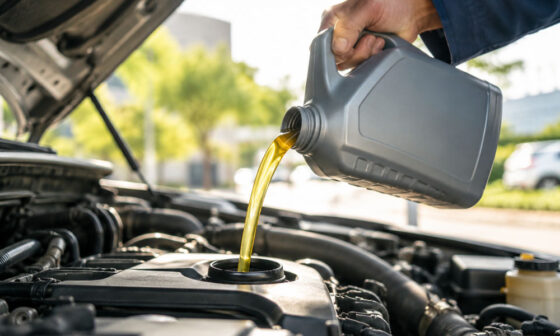
- Check coolant level and condition according to the manufacturer’s service procedure.
- Examine hoses, clamps, the radiator cap, thermostat, belts, and fan operation.
- Clear debris from the grille and other airflow openings.
- Look for dried coolant residue around fittings, hoses, and the water pump.
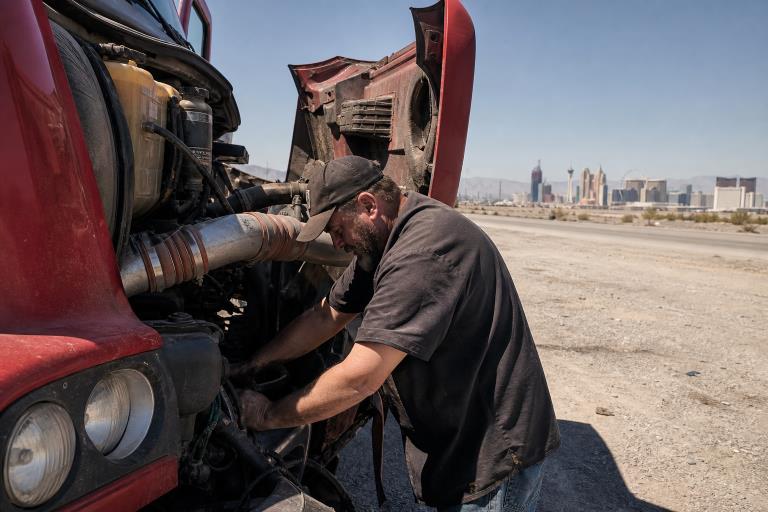
Do this work before a long haul, not after an overheating warning. For example, a loaded truck may begin losing power on I-15 because dust-restricted airflow and a weak hose allow temperatures to climb. Stopping early may mean replacing a hose or cleaning a radiator. Continuing may lead to a major cooling-system failure, lost time, towing costs, and potential engine damage.
Dust, Wind, And Airflow Problems In The Las Vegas Valley
Fine dust can reach air filters, electrical connectors, lighting assemblies, brake components, and trailer door seals. Vehicles operating near construction areas, unpaved lots, open desert, or high-wind zones may require more frequent inspections than trucks operating only on clean, paved routes. Check air filters and housings during scheduled service, inspect connectors for buildup, keep trailer doors and access panels sealed, and wash the undercarriage after especially dusty routes. Avoid excessive use of compressed air, which can force debris deeper into sensitive components. Before dispatch, review local dust and air-quality conditions through the Clark County air-quality advisory system, especially when wind may affect visibility and roadside safety.
Tire And Wheel Checks For Hot Pavement
Measure tire pressure when tires are cold and compare the reading with the vehicle or tire manufacturer’s specifications. Inspect tread depth, uneven wear, sidewall cracking, valve stems, wheel nuts, and any signs of heat damage. Underinflation, overloading, and worn tires generate excess heat, increasing the risk of a roadside failure. Do not overlook spare tires. Confirm that the spare, jack, tools, and inflation equipment match the truck or trailer’s wheel and tire setup. After a long, hot drive, inspect tires for damage once the vehicle is safely parked and the tires have cooled. Follow the manufacturer’s procedure for pressure checks rather than adjusting pressure based only on a hot reading.
Trailer Components That Need Extra Attention
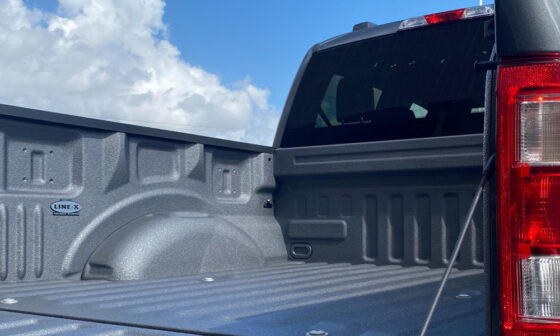
Trailer maintenance deserves the same attention as tractor maintenance. Check air lines and gladhand seals, brake chambers, slack adjusters, wheel bearings, hubs, suspension bushings, air springs, door hinges, latches, reflectors, marker lights, electrical plugs, and ground connections. Trailer issues can affect handling, stopping distance, cargo security, and visibility. A damaged electrical ground can cause intermittent lights. A leaking air line can reduce braking performance. Worn suspension parts can affect tire wear and stability. Small defects should be corrected before they become roadside hazards.
Choosing Replacement Parts For Desert Use
OEM and aftermarket parts can both be appropriate choices. The best option depends on fit, vehicle compatibility, warranty coverage, expected service life, load ratings, operating conditions, and total cost. Price matters, but the lowest-cost component is not always the best value if it creates repeated downtime. Before ordering, confirm part numbers, dimensions, connector styles, mounting locations, brake specifications, and axle or suspension requirements. Keep records of repeat failures, particularly for hoses, electrical connections, lighting, filters, and wheel-end components. Those records can reveal whether route conditions or installation issues are contributing to the problem.
A Simple Las Vegas Maintenance Schedule
Before Each Trip
- Check tires, lights, brakes, fluids, mirrors, and trailer connections.
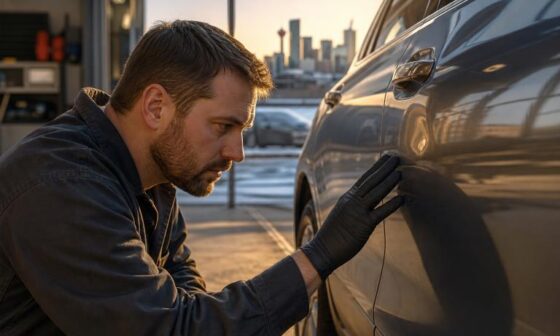
- Look for leaks, loose hardware, cracked hoses, and damaged wiring.
- Verify that warning devices, water, and emergency supplies are accessible.
Every Week
- Inspect belts, filters, battery terminals, air lines, suspension parts, and wheel areas.
- Clean dust from airflow, lighting, and connection points.
- Review driver reports about warnings, vibrations, odors, or unusual noises.
Monthly Or During Heavy Use
- Inspect brake wear, wheel ends, and trailer suspension.
- Review maintenance records for repeat issues.
- Schedule a professional inspection before the hottest part of summer.
What To Carry And When To Stay Parked
A desert-route emergency kit should include drinking water for everyone in the vehicle, approved fluids, spare fuses and bulbs, basic hand tools, air-line repair supplies, a tire gauge, inflation equipment, reflective warning devices, gloves, eye protection, a phone charger, and sun-protection supplies. The kit does not replace repairs, but it gives drivers more options while awaiting assistance in an exposed area. Keep the truck or trailer parked when there is overheating, repeated temperature spikes, low air-pressure warnings, brake trouble, severe tire damage, loose wheel hardware, visible fuel, oil, coolant, or air leaks, failed trailer lights, burning smells, or smoke. Delaying repair can turn a manageable parts replacement into engine damage, cargo risk, tire failure, or expensive roadside recovery.
Common Questions From Las Vegas Fleet Managers
How Often Should Air Filters Be Checked?
Inspection frequency depends on mileage, route conditions, construction exposure, and visible dust buildup. Trucks operating near open desert or active job sites may need more frequent checks than vehicles used primarily on paved urban routes.
Are Aftermarket Trailer Parts Reliable?
Quality varies by manufacturer. Compare specifications, certifications, fitment, warranty coverage, load ratings, and supplier support rather than selecting solely by price.
What Is The Most Important Summer Check?
Cooling systems and tires deserve top priority, but air brakes, lighting, electrical connections, fluids, and trailer couplings must remain part of every regular inspection.
Make Desert Maintenance A Routine
Las Vegas truck and trailer care works best as a consistent routine. Heat, dust, heavy loads, and long highway routes can quickly expose small weaknesses. Regular inspections, accurate selection of replacement parts, clean maintenance records, and a practical emergency kit can reduce downtime and help drivers stay safer across Southern Nevada and nearby Arizona routes.
Conclusion
A dependable truck or trailer in Southern Nevada is built through consistent maintenance, careful inspections, and timely replacement of worn components. By paying close attention to cooling systems, tires, brakes, electrical connections, suspension parts, and other heat-sensitive components, drivers and fleet managers can reduce the risk of unexpected breakdowns on demanding desert routes. Keeping accurate maintenance records, carrying essential emergency supplies, and addressing small issues before they become major repairs can also improve safety and minimize costly downtime. With a proactive approach and access to high-quality replacement parts, Las Vegas operators can better prepare their vehicles for the region’s extreme conditions while keeping trucks and trailers reliable, efficient, and ready for the road year-round.