From the wooded foothills of the Sierra Nevada to canyon neighborhoods in Los Angeles County and wind-exposed communities along the Central Coast, California homeowners face insurance decisions shaped by local wildfire conditions. A useful comparison starts with the understanding that policies can differ substantially in price, eligibility, deductibles, and the protection available after a loss.
For households that have received a non-renewal notice or are relying on limited fire coverage, reviewing alternatives to California FAIR plan coverage can help clarify whether a private-market, specialty, or layered policy better fits the property. The goal is not simply to find insurance quickly. It is to secure coverage that can support rebuilding, temporary housing, and recovery when a wildfire disrupts daily life.
Why Insurance Comparison Matters in California
California’s insurance market continues to change, and the options available at one renewal may not be the same at the next. The California Department of Insurance has reported new filings and planned insurer expansions in wildfire-distressed areas during 2026. That makes it worthwhile to shop before a home purchase, renewal deadline, or policy non-renewal becomes urgent.
A low annual premium can be appealing, but it does not answer the most important claim questions. Homeowners should compare dwelling limits, wildfire deductibles, exclusions, additional living expense limits, and settlement terms. A policy that costs less upfront may leave a larger financial gap after a severe fire.
Start With the Property’s Wildfire Risk in California
Insurers commonly evaluate the individual home as well as the surrounding area. A house near grassland, brush, forest, steep terrain, or a single narrow access road may be reviewed differently from a similar house elsewhere in the same ZIP code across California.
- Distance from unmanaged vegetation, open space, and neighboring structures.
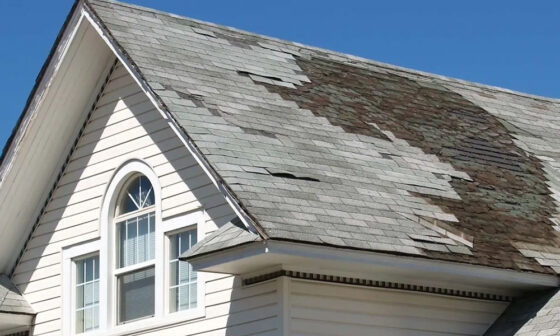
- Roof material, roof condition, siding, windows, vents, decks, and fencing.
- Driveway access, address visibility, and room for emergency vehicles.
- Terrain, local fire history, and nearby fuel conditions in your California region.
- Defensible-space maintenance and documented mitigation improvements.
Gather these details before requesting quotes: the home’s age, square footage, renovation history, and prior claims. For example, two similar homes near an oak woodland in California may receive different results if one has a Class A roof, ember-resistant vents, and cleared vegetation. In contrast, the other has older, combustible features near the structure.
Compare More Than the Premium
Write a comparison for each quote. Focus on the parts of coverage that determine how a claim may be paid:
- Dwelling coverage:The estimated cost to rebuild the home, not its sale price or land value.
- Other structures:Coverage for detached garages, sheds, fences, and similar buildings.
- Personal property:Protection for belongings, subject to policy limits and special sublimits.
- Additional living expenses:Help with qualifying temporary housing and related costs after a covered loss.
- Liability coverage:Protection if the homeowner is legally responsible for injury or property damage.
- Debris removal and ordinance coverage:Potential help with cleanup and rebuilding costs tied to current codes.
Also, examine how property is valued. Replacement cost generally reflects the cost to replace covered property without subtracting depreciation, subject to policy terms. Actual cash value typically reflects depreciation, which can leave homeowners with less money to replace older belongings or materials.
Review the Main Policy Options
Standard Homeowners Insurance
A traditional homeowners policy may combine fire protection with personal property, liability, and additional living expense coverage. Eligibility can depend on the home’s location in California, condition, claims record, wildfire exposure, and an insurer’s underwriting rules.
Specialty or High-Risk Policies
Specialty insurers may consider homes that do not meet standard underwriting guidelines. These policies can involve higher premiums, larger deductibles, inspections, or more detailed documentation. Compare the actual policy form, not only the quote summary.
State-Supported and Layered Coverage
When private coverage is unavailable, California’s insurer of last resort may provide basic property protection. Because that type of coverage may not include all the protections found in a comprehensive homeowners policy, some households consider a separate difference-in-conditions policy to cover gaps in liability, theft, water damage, or living expenses. Review both policies together so limits and exclusions do not create unexpected holes.
Questions to Ask Before Choosing a Policy
- Which wildfire, smoke, and water-related losses are covered or excluded?
- Is the wildfire deductible a fixed dollar amount or a percentage of the dwelling limit?
- How much additional living expense coverage is available, and for how long?
- Does the policy offer extended replacement cost or building-code coverage?
- How are fences, trees, landscaping, decks, and detached structures treated?
- What mitigation documentation or inspections does the insurer require?
- What records will be needed to support a future claim?
How Home Hardening Can Affect Coverage
Wildfire preparation improves a home’s defensive posture and may influence eligibility, pricing, or available discounts, although no improvement guarantees a lower premium. Practical work includes maintaining a Class A roof, installing ember-resistant vents, clearing roofs and gutters, replacing vulnerable materials near walls, and managing vegetation around the home.
California homeowners can use home hardening practices to identify vulnerabilities involving embers, radiant heat, and direct flame exposure. Keep photographs, permits, invoices, contractor records, and inspection reports, then provide them to an insurer or agent when requesting a review.
Community-scale mitigation matters as well. A 2026 California analysis found that rebuilding the Palisades and Eaton fire areas to stronger wildfire-resilience standards could reduce modeled projected wildfire losses. The study reinforces the relevance of safer construction and landscaping standards to both household safety and long-term insurability across California.
A Simple Insurance Shopping Process
- Collect accurate property details.Include roof age, construction type, square footage, claims history, and mitigation records for your California home.
- Set a realistic rebuild estimate.Base it on reconstruction costs rather than the home’s market value.
- Request multiple options.Consider admitted carriers, specialty markets, and qualified insurance professionals when appropriate.
- Compare side by side.List premium, deductible, limits, endorsements, exclusions, and settlement terms.
- Read the final policy.Confirm that the issued policy matches the application and quoted coverage.
The California Department of Insurance’s homeowners coverage comparison tool can be a useful starting point for reviewing policy differences. It should not replace a binding quote or a careful reading of endorsements that apply to a specific California property.
Common Mistakes to Avoid
- Choosing solely based on the annual premium.
- Using the home’s purchase price as the dwelling limit.
- Overlooking a percentage-based wildfire deductible.
- Assuming smoke damage, debris removal, or temporary housing is automatic.
- Waiting until the final days before a renewal deadline to shop.
- Failing to update coverage after remodeling or acquiring valuable property.
- Skipping a home inventory stored away from the residence.
Frequently Asked Questions
Can a homeowner change policies after receiving a non-renewal notice in California?
Yes, but timing matters. Review the notice, confirm the effective date, ask the current insurer whether any issues can be addressed, and promptly begin comparing alternatives. Available options and applicable protections depend on the individual situation and California location.
Why can two California homes in the same neighborhood receive different quotes?
Quotes may differ because of roof condition, building features, vegetation, slope, access, claims history, replacement cost, selected limits, and deductible choices. Insurers can also apply different underwriting criteria to California properties.
Is a lower deductible always better?
Not necessarily. A lower deductible can reduce out-of-pocket costs after a covered claim, but it can also raise the premium. Choose an amount the household could realistically pay during a disruptive emergency.
What should be kept for a future wildfire claim?
Maintain a current inventory, photographs or video, receipts, policy documents, renovation records, and insurer contact information in secure cloud storage or another location outside the home.