Better golf rarely comes from simply hitting more balls. It comes from giving each practice session a job, tracking whether the work is helping, and carrying that work onto the course. For golfers who need a consistent place to train, an indoor virtual golf simulator at Tee Box can support a structured routine with simulator practice, coaching, swing analysis, fitness, club fitting, and performance tracking. Tee Box serves golfers in Utah and offers a development-focused approach that connects the body, swing, equipment, and practice plan.
A year-round plan should fit your available time, current skill level, and playing schedule. The goal is not to copy another golfer’s routine. The goal is to identify the shots that most often create trouble, practice them with purpose, and regularly test whether those skills hold up when a score matters.
Why Practice Plans Work Better Than Random Practice
Random practice can feel productive because it produces a large number of swings. However, it can be difficult to learn from a session when every shot uses a different club, target, or swing thought. A plan gives each block of practice a purpose. It also creates a simple answer to the question, “What am I trying to improve today?”
A focused 30-minute session can include a warm-up, one technical priority, a target-based drill, and a brief review. For example, a golfer trying to reduce a slice could hit a small set of tee shots while monitoring start direction and curve. The golfer can then finish with several shots to a fairway target instead of ending on a mechanical drill alone.
Set Golf Goals That Can Be Measured
Start with the part of the game that most often costs shots. That might be missed fairways, poor wedge distance control, three-putts, inconsistent iron contact, or a lack of energy late in a round. Avoid trying to fix every weakness at once. A primary goal for a four- to six-week block is to provide enough time to practice and review a pattern.
Turn A Broad Goal Into A Practice Target
- Choose one main skill, such as controlling wedge carry distance.
- Select one or two ways to assess it, such as landing shots near a target or recording carry-distance patterns.
- Decide how often you can realistically practice that skill.
- Review your notes and on-course results before setting the next priority.
Useful measures can include fairways hit, approach-shot dispersion, greenside proximity, average first-putt distance, carry distance, strike location, and clubhead speed. These numbers should answer a useful question. If a metric does not influence the next practice decision, it does not need to be tracked.
Build A Balanced Weekly Practice Schedule
A balanced plan prevents one area from taking over the entire week. The exact schedule will vary, but a golfer with four available practice days can assign a different purpose to each day.
- Day one, full swing: Work on contact, start direction, and one swing priority using irons or a tee club.
- Day two, short game: Practice chips, pitches, bunker shots, and landing spots from a range of lies.
- Day three, putting: Build distance control on longer putts, then finish with short putts and a pressure-based game.
- Day four, transfer practice: Play simulated holes, choose clubs for specific targets, and rehearse recovery shots.
Include simple mobility work before practice, especially if you have been sitting or are arriving from work. Strength and conditioning can also support a golfer’s ability to move, balance, and repeat a swing. Recovery matters as well. If soreness changes your movement or makes contact unreliable, reduce intensity and return to quality work when you can move comfortably.
Use Data Without Losing Feel
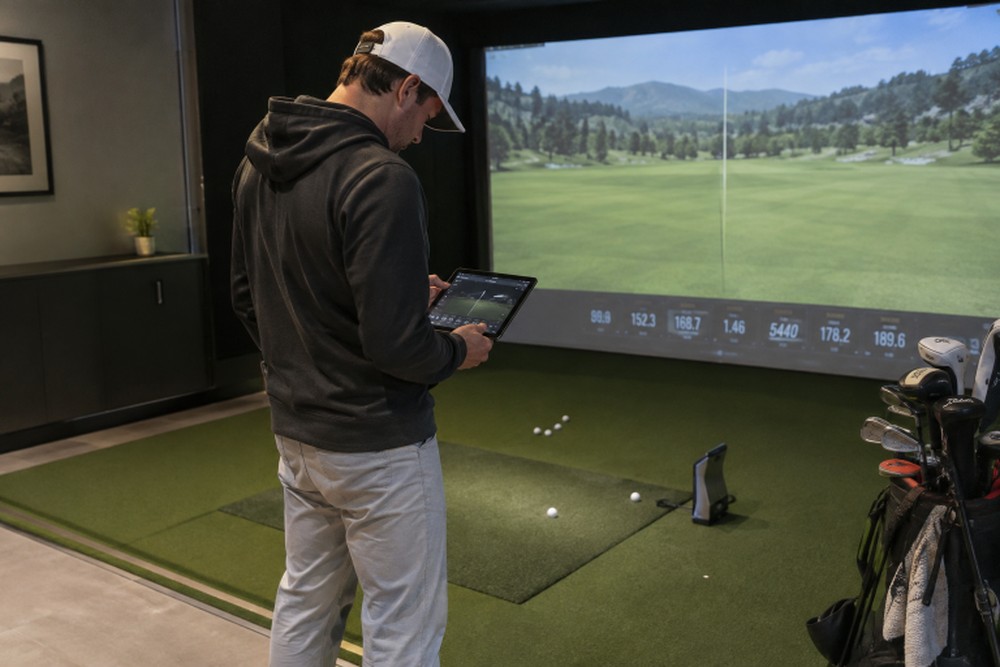
Launch monitors can provide feedback on carry distance, launch, spin, ball speed, club path, face angle, and dispersion. Those measurements are most useful when they relate directly to the current goal. If you are practicing driver accuracy, a fairway-width target and shot pattern may matter more than chasing maximum ball speed.
Do not overreact to a single poor swing or one unusually good result. Look for patterns across a session and compare them with what you felt and saw. Make brief notes about balance, tempo, strike quality, and ball flight. Data can confirm a pattern, while feel helps you recognize it when technology is not available.
Adjust The Plan Through The Seasons
Spring
Use spring to rebuild rhythm, contact, and distance awareness after limited winter play. Practice shots from uneven lies when course conditions allow, and spend time refreshing the clubs and distances you use most often.
Summer
Shift more attention toward scoring, course management, and transferring practice into rounds. In hot conditions, shorter sessions with a clear focus can be easier to complete than a long range visit with no break.
Fall And Winter
Fall is a useful time to review the patterns that affected scores during the season. In winter, emphasize mobility, strength, putting, and controlled swing work. Major changes are easier to manage with feedback from a qualified coach than with a single online drill.
Make Indoor Practice Count
Indoor practice is especially valuable when weather, darkness, or limited course access makes outdoor training difficult. Use the controlled setting for repeatable drills, wedge-distance testing, target games, and simulated holes that require club selection. Keep a short log after each session with the goal, result, and next step.
Indoor training does not replace outdoor rounds. Real golf still includes wind, slopes, rough, lies, and the decisions that come with an actual scorecard. Instead, use indoor work to prepare skills that can be tested outside when playing opportunities return.
Common Practice Mistakes To Avoid
- Changing swing thoughts too often: Give one adjustment enough practice to evaluate it.
- Only hitting comfortable shots: Schedule time for the clubs and situations you tend to avoid.
- Neglecting the short game: Make putting, chipping, and pitching recurring parts of the week.
- Tracking too much information: Keep only the data that supports your current objective.
- Skipping transfer practice: Move from drills to targets, scoring games, and realistic decisions.
- Failing to review: A few notes can make the next session more focused than the last.
Common Questions About Golf Practice Plans
How Many Times Per Week Should A Golfer Practice?
Two to four focused sessions per week can be a practical starting point. The best schedule is one you can sustain while still allowing time for recovery, work, family, and actual rounds of golf.
How Long Should A Practice Session Last?
Thirty to 60 minutes is enough for a focused session. Longer sessions can work well when they include breaks and a clear change of activity.
Should Golfers Practice Driver Every Time?
No. Driver practice matters, but a complete plan also includes wedges, putting, approach shots, and recovery shots. Practice time should reflect the parts of the game that need the most attention.
Final Thoughts
A smarter golf practice plan is simple: choose a meaningful goal, practice it with intention, measure the result, and adjust when needed. By combining full-swing work, short game, putting, fitness, and on-course testing, golfers can make better use of their time throughout the year.