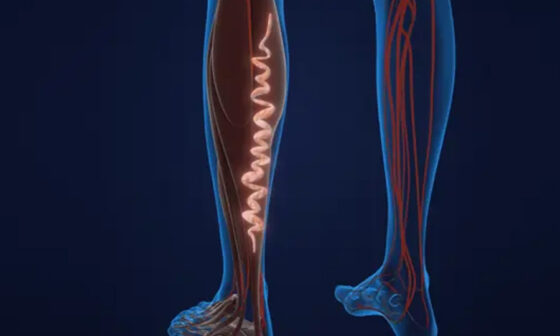
Back pain, stiff muscles, and sore joints can make daily life harder. You may find it painful to sit at work, walk long distances, or get a good night’s sleep. While some aches go away with rest, others may need more attention.
Chiropractic care is one option for people dealing with certain muscle and joint problems. Knowing when to seek help can make it easier to choose the right care. Here are some signs that it may be time to speak with a chiropractor.
Your Back Pain Keeps Coming Back
Back pain is one of the most common reasons people visit a chiropractor. It can happen after lifting heavy objects, sitting too long, or making sudden movements.
Mild pain often improves with time and gentle activity. However, pain that keeps returning may need a closer look. It can affect your sleep, work, and daily routine.
A chiropractor can assess how your back moves and discuss possible care options. Spinal manipulation may offer modest relief for some types of lower back pain.
If your pain lasts for several weeks or becomes worse, see a healthcare professional. Finding the cause is important before starting treatment.
Your Neck Feels Stiff or Sore
Neck pain can make simple tasks feel difficult. Turning your head while driving or looking down at your phone may become uncomfortable.
Long hours at a desk can place stress on your neck muscles. Poor screen placement and limited movement may also add to the problem.
A chiropractor may check your neck movement and suggest ways to ease muscle tension. Treatment options can include gentle movement, exercises, or other forms of care.
Not every type of neck pain is suitable for spinal manipulation. Neck adjustments also carry rare but serious risks. Discuss the benefits and risks with a qualified healthcare professional before treatment.
You Have Trouble Moving Comfortably
Your joints help you bend, reach, walk, and complete daily tasks. When movement becomes painful or limited, even simple activities can take more effort.
You may notice stiffness when getting out of bed or turning your body. Some people also find it hard to bend down or reach overhead.
These changes can have many causes. Muscle strain, joint conditions, and past injuries may all affect movement.
A trained professional can assess your symptoms and suggest suitable care. This may include exercises, physical therapy, or other treatments.
Your Daily Routine Causes Muscle Strain
Many people spend hours sitting at computers or using phones. Staying in one position for too long can make muscles feel tight and tired.
You may notice discomfort in your shoulders, back, or neck after work. These symptoms can become more noticeable when you have few chances to move.
Small changes may help reduce strain:
- Take short movement breaks
- Adjust your desk height
- Keep screens at eye level
- Stretch your muscles gently
- Change positions throughout the day
You Want Help Managing Lower Back Pain
Lower back pain can make work, exercise, and household tasks more difficult. For some people, it becomes a problem that lasts for months.
There are several ways to manage lower back pain. Exercise, physical therapy, and certain hands-on treatments may provide relief.
Spinal manipulation may lead to small gains in pain relief and daily function. However, results vary, and it is not a cure for every back problem.
You can explore providers such as Palmercare Chiropractic when learning about available chiropractic services. Before booking, check the provider’s license, experience, and treatment methods. Choose care that fits your health needs and personal goals.
You Experience Ongoing Joint Discomfort
Joint pain can affect many parts of the body. Your shoulders, hips, and knees may become sore after exercise or daily tasks.
Sometimes, discomfort comes from overuse or a minor strain. In other cases, it may be linked to arthritis or another health condition.
A chiropractor may help assess certain movement problems. However, chiropractic treatment is not suitable for every type of joint pain.
Seek medical advice if a joint becomes swollen, red, or unusually warm. These signs may point to a condition that needs different care.
Your Muscles Feel Tight After Physical Activity
Exercise helps keep your body strong, but it can also leave your muscles feeling sore. This is common after trying a new workout or increasing your activity level.
Mild soreness often improves with rest and gentle movement. However, repeated pain may be a sign that your body needs more recovery time.
A healthcare professional can help you understand whether your symptoms come from normal exercise or an injury.
You may also benefit from simple recovery habits:
- Get enough quality sleep
- Drink water throughout the day
- Allow time between workouts
- Try gentle stretching exercises
- Increase activity levels slowly
You Want to Improve Your Movement Habits
You do not need to wait until pain becomes severe to learn better movement habits. Daily routines can affect how your muscles and joints feel.
For instance, lifting heavy objects without proper care may strain your back. Long periods of sitting can also lead to stiffness.
A chiropractor may offer advice about movement, posture, and basic exercises. A physical therapist can also help you build strength and improve how you move.
Focus on habits that support your body during daily tasks. Regular activity, safe lifting methods, and comfortable work positions can make a difference.
When Should You Seek Medical Care Instead?
Some symptoms need urgent medical attention rather than a chiropractic visit. Severe injuries and certain nerve problems can become dangerous without prompt treatment.
Seek immediate medical care if back or neck pain comes with:
- New bladder control problems
- Loss of bowel control
- Numbness around the groin
- Sudden severe muscle weakness
- Trouble walking after injury
You should also seek urgent help for severe pain after a fall or accident. Fever with back pain or rapidly worsening symptoms needs prompt medical review.
Take the Next Step Toward Better Movement
Ongoing pain, stiff muscles, and limited movement can affect your quality of life. Chiropractic care may help some people manage certain back problems, but it is not the right choice for every condition.
Pay attention to your symptoms and seek a medical assessment when needed. Choosing qualified professionals and following a suitable care plan can help you stay active and comfortable.
Want more tips on managing everyday aches and supporting your health? Explore our other blog posts for simple advice, useful guides, and ideas for healthier daily habits!