Key Takeaways
- Inspect visible chimney components, the firebox, damper, and surrounding walls before lighting the first seasonal fire.
- Schedule professional chimney inspections and cleaning to identify hidden blockages, creosote buildup, liner damage, and structural concerns.
- Understand the differences between Level 1, Level 2, and Level 3 chimney inspections to determine the appropriate assessment.
- Keep the hearth clear of combustible materials, use approved fuel, and test smoke and carbon monoxide alarms.
- Watch for warning signs such as smoke entering the room, unusual odors, water stains, cracked masonry, and falling debris.
- Arrange professional service after major storms, chimney fires, system modifications, or persistent draft problems.
- Follow a seasonal maintenance schedule to address potential issues before regular fireplace use begins.
Atlanta fireplaces often sit unused through long stretches of warm, humid weather, then become a gathering point as temperatures cool. Before lighting the first fire, take time to look for changes caused by rain, wind, falling leaves, animals, moisture, and normal wear. A short pre-season check can help you identify visible concerns before smoke, heat, and combustion enter the picture. For a closer review of areas that cannot be seen from the hearth, Southern Chimneys offers Atlanta-area evaluations that include a detailed camera scope of the chimney system. Its focus on flues, liners, creosote, caps, crowns, and structural condition makes chimney inspection Atlanta Atlanta, GA, a useful option for homeowners in Atlanta and nearby communities who find a warning sign or cannot confirm recent service.
Why a Fireplace Needs a Pre-Season Check
A fireplace that performed well last year can still develop a problem when idle. Moisture may affect masonry and metal components, debris can collect near the cap or flue, and animals may nest in an uncapped or damaged chimney. Atlanta storms and changing temperatures also make it sensible to watch for deteriorated mortar, loose exterior materials, and water stains around the fireplace.
Start With a Safe Ground-Level Check
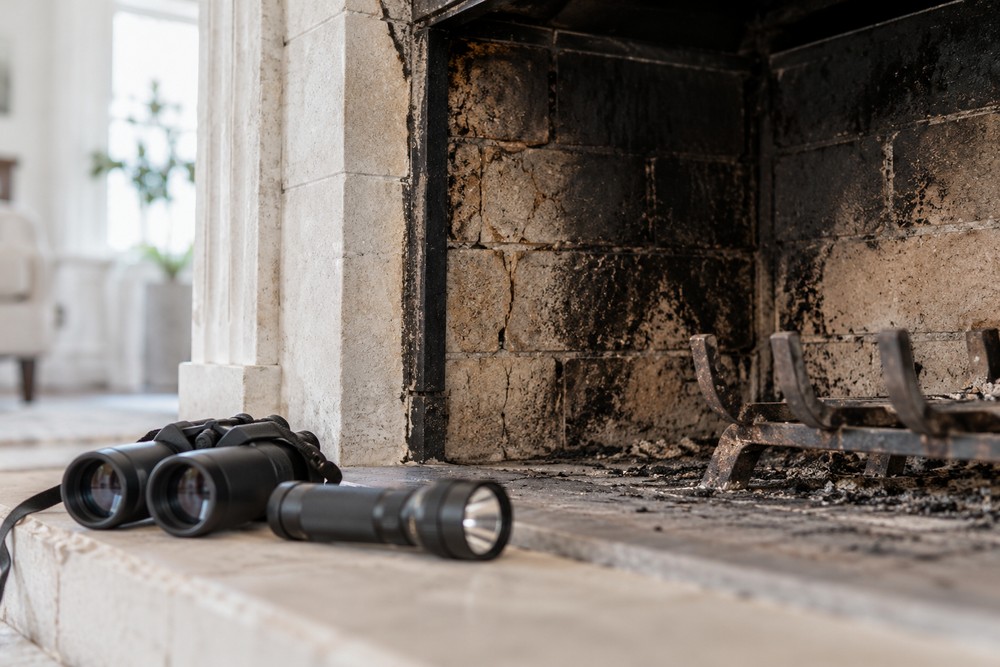
Do not climb onto the roof or reach into the flue. Instead, use a flashlight indoors and binoculars outdoors to inspect what is safely visible. Look for:
Loose bricks, missing mortar, cracks, rust, or stains on nearby walls and ceilings.
Cracked firebrick, heavy soot, loose material, or unusual debris in the firebox.
- Loose bricks, missing mortar, cracks, rust, or stains on nearby walls and ceilings.
- A chimney cap that appears bent, missing, blocked, or out of place.
- Damp or musty odors, peeling paint, or discoloration around the fireplace.
- Cracked firebrick, heavy soot, loose material, or unusual debris in the firebox.
The Five-Step First-Fire Checklist
- Clear the hearth. Move rugs, furniture, decorations, paper, and stored firewood well away from the opening.
- Check the damper. Confirm that it opens and closes without forcing it. Do not light a fire if it will not open fully.
- Test alarms. Test smoke and carbon monoxide alarms and follow each manufacturer’s instructions for battery replacement and placement.
- Look for warning signs. Stop if you notice staining, falling debris, strong odors, blocked airflow, or visible damage.
- Arrange service when needed. If the chimney has not been inspected recently, schedule an evaluation before regular use.
Seasonal maintenance should include the exterior and the fireplace opening. Practical winter home maintenance guidance also emphasizes checking the roof and the flashing around chimneys before colder, wetter weather arrives.
Cleaning and Inspection Are Different Services
Cleaning removes ash, soot, creosote, and debris. An inspection evaluates the condition of accessible parts of the system, including the firebox, damper, flue, liner, cap, crown, and masonry. A clean-looking firebox does not confirm that the entire venting path is clear or sound, so a professional may recommend both services during the same visit.
When to Schedule a Professional Inspection
Arrange professional attention before using a fireplace that has been inactive for a long time, after buying or selling a home, or when the last service date is unknown. It is also appropriate after a chimney fire, house fire, lightning strike, major storm, fallen tree, system modification, smoke entering the room, or persistent draft problems.
Understanding the Three Inspection Levels
Level 1
A Level 1 inspection is a visual review of readily accessible parts of a system that has not changed and appears to operate normally.
Level 2
A Level 2 inspection is more detailed and may include a camera scan of the flue. It is commonly appropriate for a real estate transaction, an appliance or fuel change, a chimney fire, or a significant weather event.
Level 3
A Level 3 inspection is used when a suspected hidden condition cannot be assessed through normal access points. Limited removal of building materials may be necessary to reach the area safely.
Match the Check to Your Fireplace Type
Wood-Burning Fireplaces
Burn properly seasoned firewood, and never burn trash, painted wood, or treated lumber. Heavy, shiny, flaky, or tar-like buildup should be evaluated before use.
Gas, Pellet, and Electric Units
Gas fireplaces need attention for dust, damaged glass, unusual odors, and burner issues. Pellet and electric units have their own venting, ash-removal, and electrical maintenance needs. Follow the owner’s manual for the specific appliance.
Warning Signs That Mean “Do Not Light the Fire”
Do not use the fireplace if smoke enters the room, odors are strong or unusual, water stains appear near the chimney, firebrick or masonry is cracked, debris is falling, or the cap is missing or blocked. A carbon monoxide alarm is an emergency signal. Move occupants to fresh air, seek emergency help when needed, and do not use the appliance until a qualified professional has checked it.
Add Alarm Safety and a Seasonal Calendar
Keep working smoke alarms and carbon monoxide alarms on every level of the home and near sleeping areas. The EPA’s carbon monoxide alarm placement guidance is a helpful reminder that alarms support, but do not replace, safe appliance maintenance.
- Late summer: Review the chimney exterior and book needed service.
- Early fall: Complete cleaning, inspection, and repairs before demand increases.
- Before the first fire: Test alarms, check the damper, and clear the hearth.
- After heavy rain or storms: Look for water stains, cap damage, loose masonry, and debris.
- After fireplace season: Record draft issues, odors, or repairs to address before next fall.
A Safer First Fire Starts With Preparation
A ground-level check can reveal visible concerns, but hidden flue, liner, draft, and structural issues need trained evaluation. Complete the checklist early, respond promptly to warning signs, and make the first Atlanta fire of the season a planned one.
Conclusion
Preparing an Atlanta fireplace for the colder months starts with checking visible components, testing safety alarms, and addressing any signs of damage before lighting the first fire. While a basic home inspection can reveal issues such as loose masonry, moisture stains, and a malfunctioning damper, professional evaluation can help identify hidden problems inside the chimney and venting system. Homeowners should also use the correct fuel, keep combustible materials away from the hearth, and stop using the fireplace if smoke, unusual odors, or other warning signs appear. By scheduling maintenance early, keeping service records, and responding promptly to changes in fireplace performance, Atlanta homeowners can support safer operation and reduce unexpected problems throughout the heating season.