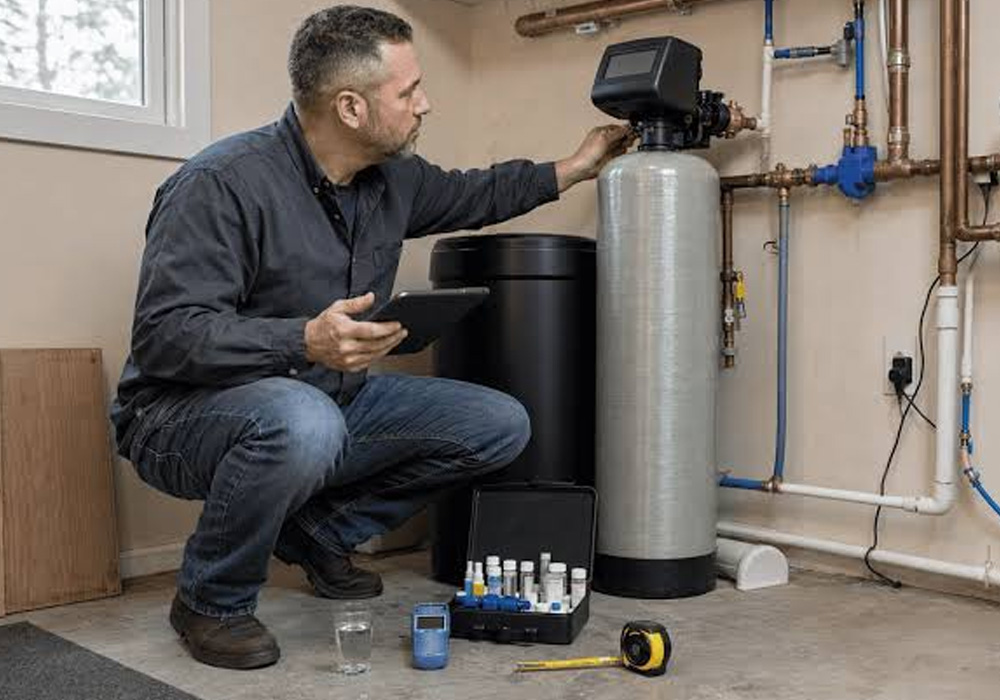
In commercial and industrial facilities, water systems operate constantly behind the scenes. Boilers generate steam, cooling towers reject heat, and circulation pumps run around the clock. Because this equipment is built to be durable, operators often view minor anomalies—a weeping pump seal, a small drop in heat exchanger delta-T, or slight chemical drift—as low-priority maintenance to tackle later.
Deferring water system maintenance is an expensive gamble. Water acts as both a mechanical force and a chemical solvent. Under continuous pressure and thermal cycling, minor flaws compound rapidly. An ignored gasket leak or uncalibrated sensor can escalate into heavy scale, tube ruptures, pump seizures, and unscheduled plant shutdowns. Understanding how small water issues multiply protects plant reliability and capital reserves.
The Compound Cost of Minor Leaks: Hidden Losses Beyond the Meter
A small leak wastes far more than raw water; it drains embedded energy, costly chemical treatments, and structural integrity.
A pinhole leak losing two gallons per minute wastes over one million gallons of treated water annually. In a boiler loop, chiller circuit, or reverse osmosis train, losses multiply fast. You lose water that has already been softened, treated with corrosion inhibitors, and heated or chilled.
Escaping water also spreads. Moisture travels through pipe insulation, driving Corrosion Under Insulation (CUI). This hidden deterioration thins pipe walls beneath protective jacketing until pressurized lines fail without warning.
Mineral Scale: The Microscopic Insulator That Destroys Thermal Efficiency
A fraction of an inch of mineral scale forms an insulating barrier, forcing boilers and chillers to burn significantly more energy to reach target temperatures.
Under high heat, dissolved calcium and magnesium precipitate out of solution. These minerals crystallize on boiler tubes and heat exchanger plates, creating dense mineral scale thermal resistance. Scale is an effective insulator; just 1/32 of an inch can degrade heat transfer efficiency by 10 percent.
Burners must run hotter and longer to compensate. This thermal overload creates localized hot spots, blistered tubes, and premature heat exchanger cracking, triggering expensive retubing projects and emergency downtime.
Chemical Drift and Corrosion: How Unchecked Water Dissolves Infrastructure
Subtle chemistry shifts strip away protective oxide films, turning piping and heat exchangers into sacrificial metals that corrode from the inside out.
Water requires constant chemical equilibrium. Acidic conditions trigger pitting corrosion—tiny, localized excavations that penetrate pipe walls within months. Excessive alkalinity causes rapid scaling and pipe constriction.
Balancing water chemistry requires monitoring conductivity, alkalinity, and oxidation-reduction potential. In industrial loops and wastewater systems, automated, reliable ph adjustment ensures discharge compliance while protecting internal infrastructure from acidic etching and alkaline scaling. Ignoring drifting sensors allows aggressive fluids to dissolve process equipment from within.
Pump Cavitation and Seal Weeping: Mechanical Warnings of System Seizure
A weeping mechanical seal or a faint gravelly hum signals cavitation and misalignment that will destroy impellers and motor assemblies.
Operators often manage small seal drips with a drip pan. However, worn seals allow abrasive debris into shaft packings and introduce air into closed circulation loops. Air ingress creates localized pressure drops where vapor bubbles form and implode against metal surfaces.
This condition—industrial pump cavitation damage—erodes impellers as aggressively as sandblasting. The resulting vibration ruins bearings and motor windings, turning a basic seal repair into an expensive emergency pump replacement.
Biofilm and Microbial Growth: The Silent Accelerator of Pipe Degradation
Microbial slime layers harbor anaerobic bacteria that generate concentrated acids, speeding up corrosion significantly faster than normal oxidation.
Cooling towers and open water loops create ideal environments for biological growth. Surface algae on basin walls often conceals complex biofilms that shield bacteria from standard biocide dosing.
Beneath these deposits, anaerobic bacteria generate acid pockets that trigger microbiologically influenced corrosion (MIC), boring through carbon steel. In addition, an unchecked cooling tower chemical imbalance fosters harmful pathogens like Legionella, exposing facilities to regulatory fines, legal liabilities, and mandatory shutdowns.
The Unplanned Downtime Cascade: How a $50 Fitting Halts Production
Small component failures trigger automated safety interlocks that shut down entire production skids, multiplying minor repair costs into massive losses.
Industrial water systems support critical processes: cooling injection molds, tempering reactors, and supplying steam to packaging lines. Because PLCs monitor these loops with flow switches and pressure transmitters, minor faults create broad disruptions.
When a $50 strainer clogs or a bypass valve sticks, safety interlocks trip instantly to protect primary machinery. Production halts. Labor sits idle, batches spoil mid-cycle, and emergency repair rates apply. The cost of replacing the minor fitting is trivial; the hours of lost manufacturing throughput create the real expense.
A Preventative Diagnostic Checklist: Early Warnings You Should Never Ignore
Catching early warning signs keeps small fluid irregularities from escalating into major capital repairs:
- Shifting Delta-P and Delta-T: Creeping differential pressure or temperature across heat exchangers signals scaling or tube fouling.
- Chemical Log Variance: Recurring drift in pH, ORP, or conductivity indicates fouled probes or malfunctioning dosing pumps.
- Spikes in Makeup Water: Metering closed loops reveals underground or hidden pipe leaks before structural erosion occurs.
- Audible Pump Rattling: Gravel-like noises or high-frequency whining inside pump casings confirm impeller cavitation.
- Moisture on Pipe Jackets: Damp spots on insulated lines point to active corrosion beneath the protective wrap.
Industrial water systems demand proactive oversight. Water rarely causes failure overnight; it deposits scale micron by micron, erodes impellers grain by grain, and leaches metals until containment fails. Addressing minor leaks immediately, maintaining strict water chemistry parameters, and listening to early mechanical warnings protects capital investments and ensures small fluid issues never disrupt your bottom line.