Key Takeaways
- Port renewal is most effective when planned around active vessel, truck, rail, cargo, and worker movements.
- Condition data should guide the decision to repair, modify, remove, or replace an aging asset.
- Phased work, defined shutdown procedures, and daily coordination can reduce avoidable operational disruption.
- Underwater work requires its own controls for visibility, currents, communication, debris, and marine traffic.
- Project success includes safe delivery, reliable operations, environmental protection, and long-term serviceability.
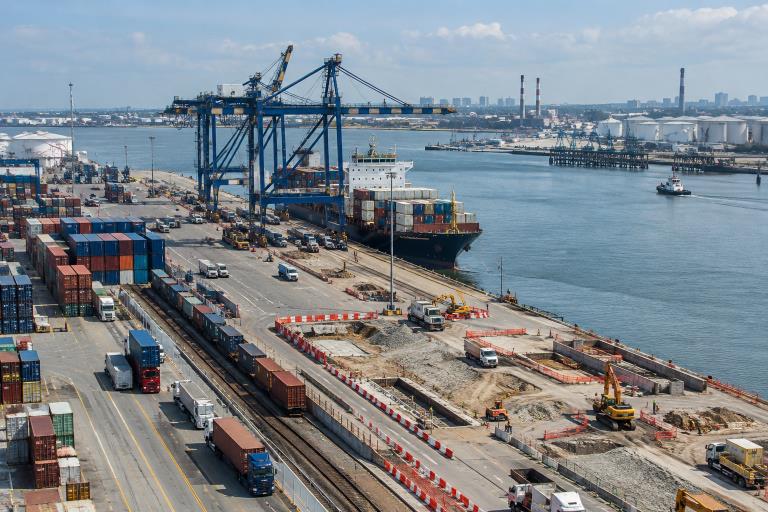
Port infrastructure rarely gets the luxury of a completely empty jobsite. Berths, access roads, bulkheads, piers, drainage systems, rail connections, and utilities often need attention while cargo keeps moving. A practical renewal strategy starts by recognizing that repair work, upgrades, and port demolition and removal all affect the larger operating system, not just the structure inside a work boundary.
In 2026, owners can reduce disruption by treating renewal as much an operations-planning exercise as a construction exercise. The objective is not simply to finish work quickly. It is to make disciplined decisions that preserve safe access, protect critical freight movements, limit unplanned outages, and leave the asset in better condition for the years ahead.
Why Port Renewal Matters
Small deficiencies can create larger operating problems when they affect a heavily used area. Deteriorated concrete, corrosion, settlement, damaged fenders, restricted load capacity, or poor drainage can pose safety risks and complicate scheduling for vessels, trucks, cranes, and rail. Renewal can include targeted repairs, revised layouts, selective removal, or full replacement, depending on the asset’s condition and future role.
Funding priorities can also shape early planning. The federal Port Infrastructure Development Program supports planning and capital projects to strengthen port capacity and operations, so owners can define how a project improves safety, efficiency, reliability, or freight movement before design decisions become fixed.
Start With Reliable Condition Data
A credible baseline prevents teams from designing around assumptions. Before selecting methods or committing to a schedule, gather inspection records, photographs, drawings, utility information, surveys, and engineering assessments. Compare historical information with current site conditions, especially where heavy loads, saltwater exposure, vehicle traffic, or wave action may have changed the asset over time.
Inspection Areas to Review
- Cracking, spalling, corrosion, settlement, deformation, and visible damage.
- Conditions above and below the waterline, including piles, foundations, walls, and protective systems.
- Current load limits for cranes, trucks, rail equipment, stored cargo, and temporary access routes.
- Tides, currents, water depth, seabed conditions, and vessel movements near the work area.
- Fuel systems, drainage, communications, electrical service, and other known utilities.
- Nearby assets that could be affected by vibration, dust, noise, or falling material.
Choose the Right Project Path
The least expensive initial option is not always the best long-term solution. Teams should compare service life, maintenance needs, operational constraints, safety exposure, permitting requirements, and anticipated growth before deciding among four common approaches:
- Repair: Retain the primary structure and correct isolated deficiencies.
- Modify: Change part of an asset to support a new layout, load requirement, or operating process.
- Remove: Eliminate an unsafe, obsolete, or obstructive element.
- Replace: Retire the existing asset and construct a new structure or system.
Build a Phased Work Plan
Phasing helps maintain service during construction by separating work into manageable packages. Start by mapping the work zone and nearby operations, then identify what must remain active and what can be temporarily moved. Schedule work around vessel calls, cargo peaks, weather, tides, and restricted access periods where possible.
Each phase should include inspection hold points, clear turnover criteria, and contingency actions for delayed materials, equipment failures, high water, poor visibility, or changing site conditions. A compressed schedule can be useful, but only when crews have enough time to work safely and verify quality before the next activity begins.
Protect Live Port Operations
Active terminals require a clear separation between construction and operations. Use barriers, exclusion zones, marked travel paths, controlled access points, and communication procedures that all crew members understand. Temporary routes should be assessed for expected traffic volume, turning movements, overhead clearance, and load capacity.
Daily coordination is especially valuable when vessel planners, terminal operators, truck dispatchers, rail personnel, security staff, and emergency responders share the same site. For example, a berth repair team may temporarily redirect trucks to another gate during a defined work window, provided the traffic change is communicated in advance and monitored during the shift.
Manage Underwater Work Carefully
Work below the waterline deserves a separate execution plan. Visibility, currents, tidal changes, vessel wakes, suspended sediment, and communication limits can change quickly. Whether a project uses divers, remotely operated equipment, or both, the team should establish responsibilities for marine traffic control, surface-to-underwater communication, debris recovery, and verification that the area is clear before operations resume.
Commercial diving also involves specific workplace hazards and regulatory requirements. OSHA identifies commercial diving standards that apply across general industry, maritime, and construction contexts, making a written dive plan, qualified personnel, pre-dive preparation, and reliable records essential elements of controlled underwater work.
Control Environmental and Community Risks
Environmental controls should be incorporated into the work sequence rather than added after construction starts. Plan for sediment, concrete slurry, scrap metal, coatings, fuel, and other wastes before disturbing materials or opening a demolition area. Containment, protected drains, orderly material storage, and documented waste removal can reduce cleanup needs and help avoid preventable stoppages.
Teams should also account for noise, dust, vibration, lighting, and traffic near neighboring businesses or residences. Monitoring and prompt corrective action are often more effective than waiting for complaints or damage reports. The same planning that protects surrounding water and property can also support safer, cleaner work areas for crews.
Measure Project Success
A completed project is not automatically a successful project. Owners should track planned versus unplanned downtime, safety incidents and near misses, freight delays related to the work, change-order causes, disposal or reuse outcomes, final inspection results, and early maintenance needs. These measures reveal whether the project delivered operational value as well as physical improvement.
Before demobilization, capture lessons learned from operators, contractors, inspectors, and maintenance personnel. Those observations can improve later renewal work on adjacent berths, roadways, piers, utilities, and marine structures.
Port Renewal Planning Checklist
- Confirm that current above-water and underwater condition data is available.
- Document vessels, cargo, trucks, rail traffic, utilities, and security constraints.
- Define whether repair, modification, removal, or replacement best fits the asset’s future use.
- Set work windows, shutdown procedures, restart criteria, and contingency plans.
- Verify temporary routes, emergency access, barriers, and exclusion zones.
- Establish environmental controls, waste procedures, and inspection records.
- Assign clear points of contact for operational changes and emergency decisions.
- Define measurable outcomes for safety, schedule, reliability, and quality before work begins.
Conclusion
Port renewal can move forward without unnecessary disruption when owners begin with accurate condition data, choose the right scope, phase work realistically, and coordinate closely with live operations. By integrating safety, environmental stewardship, service continuity, and long-term durability from the start, ports can make renewal projects more predictable and valuable.