Interest in cellular therapy has grown alongside a broader desire to remain mobile, recover well, and maintain independence as we age. People exploring information from providers such as Peak National Wellness should keep one central idea in mind: interest in a treatment is not the same as proof that it works for a particular condition or goal.
Cell-based medicine is a broad and fast-moving field, but it is not one single procedure. Some cellular therapies are established for specific medical uses, while many approaches promoted for pain, orthopedic concerns, fatigue, or healthy aging remain investigational or unapproved. Movement, rehabilitation, sleep, and nutrition remain important parts of a complete recovery plan.
Why Cellular Therapy Is Being Discussed in Active Living
Cellular therapy is often discussed by people hoping to return to exercise, manage the effects of reduced mobility, or support healthy aging. That interest is understandable because movement affects everyday life, from climbing stairs and carrying groceries to working, traveling, and participating in recreation. Still, a promising concept in a laboratory or an early clinical study should not be confused with established care.
Research develops in stages. Laboratory and animal studies can help scientists understand biological mechanisms and identify questions worth testing. Human clinical studies then examine safety, dosing, and potential benefit. A therapy becomes routine medical care only when the evidence and regulatory review support its use for a defined purpose.
What Cellular Therapy Can Mean
The phrase “cellular therapy” can include stem cell-based approaches, immune cell therapies, blood-forming cell products, tissue-based products, and cells modified for therapeutic purposes. These approaches differ in where the cells come from, how they are prepared, how they are delivered, and what medical problem they are designed to address.
Important Terms to Know
- Stem cells: Cells with the ability to develop into specialized cell types under particular conditions.
- Progenitor cells: Cells that are more limited than stem cells but can develop into certain related cell types.
- Regenerative medicine: A broad field focused on restoring, replacing, or repairing cells, tissues, or organs.
- Clinical trial: A structured research study involving people that follows a defined protocol.
- Investigational treatment: A treatment still being studied and not necessarily approved for general use.
What Current Research Shows
Researchers are studying cell-based approaches for blood disorders, cancers, immune conditions, inherited diseases, and tissue injury. The quality and amount of evidence vary widely by therapy and condition. It is especially important to separate treatments with well-defined medical indications from broad claims that a single product can improve many unrelated health concerns.
How Movement Fits Into Recovery
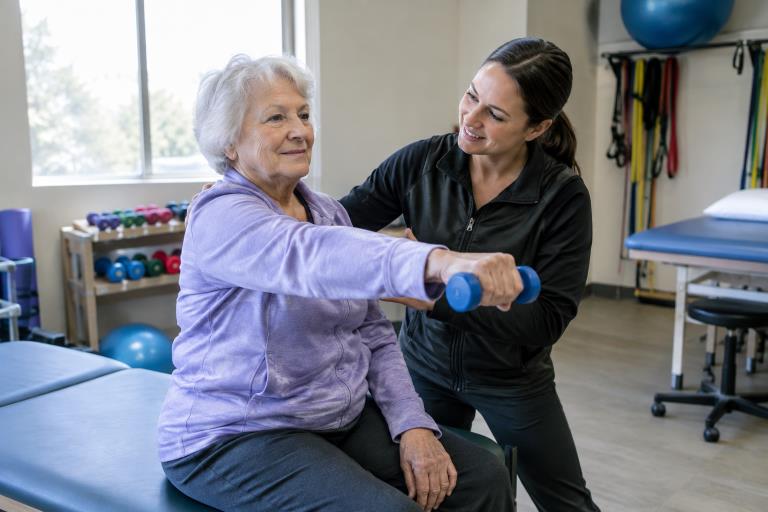
Whether someone has had a medical procedure, an injury, or a prolonged period of inactivity, movement is commonly part of the path back to function. A clinician or rehabilitation professional may recommend walking, mobility work, resistance exercises, balance training, or water-based activities based on the person’s diagnosis and current ability.
Common Functional Goals May Include
- Restoring strength after inactivity.
- Improving range of motion and confidence with movement.
- Returning to household tasks and work demands.
- Supporting balance and coordination.
- Building a gradual, sustainable return to exercise.
Why Exercise Is Not Proof of Treatment Success
A person may feel better after a treatment for many reasons at once. Natural healing, changes in activity, physical therapy, medication adjustments, improved sleep, reduced stress, and expectations can all affect symptoms and function. Personal experiences deserve respect, but testimonials cannot show whether a treatment works reliably in a larger group or is safer than available alternatives.
Safety Questions to Ask Before Treatment
Before considering a cellular or regenerative treatment, ask for precise answers rather than broad marketing language. The provider should be able to identify the product, its intended purpose, expected risks, and the follow-up plan.
- What exact product or cell type is being used?
- What condition is it intended to treat?
- Is it approved for that specific use, or is it being studied?
- What published human research supports the approach?
- What side effects and complications have been reported?
- Who prepares and administers the product?
- What follow-up care is available if symptoms worsen?
- What are the full costs, including additional visits and potential complications?
How to Check Regulatory Status
Terms such as “FDA registered,” “natural,” or “clinically proven” do not automatically establish that a product is approved for a particular use. The FDA explains that many regenerative medicine products marketed for a wide range of conditions are unapproved, and its consumer guidance on regenerative medicine therapies also describes potential safety concerns and warns that a listing or registration does not by itself mean a product is legally marketed.
Warning Signs of Weak Health Claims
- Guarantees of pain relief, recovery, or lasting results.
- Claims that one therapy treats many unrelated conditions.
- Pressure to pay before receiving clear medical information.
- Testimonials presented in place of published human evidence.
- Unclear information about the product’s source or preparation.
- No written plan for adverse events, follow-up, or referral.
- Advice to stop prescribed treatment without consulting the treating clinician.
Building a Safe Return-to-Activity Plan
A return to activity should be based on medical guidance, current symptoms, medications, and baseline fitness. Start with manageable sessions, track pain, swelling, fatigue, sleep, and daily function, then increase only one variable at a time, such as duration, distance, or resistance. Rest is part of progress, and new severe symptoms should prompt medical advice rather than an attempt to push through.
The Role of Sleep, Food, and Stress
Recovery is not limited to a procedure. Consistent sleep, adequate hydration, balanced meals that include sufficient protein, stress management, and regular movement support overall health and the ability to participate in rehabilitation. Practical habits, such as taking short walking breaks from long periods of sitting and keeping a regular bedtime, can make an active routine easier to sustain.
Conclusion
Cellular therapy may continue to shape future medicine, but responsible decisions require evidence, oversight, and realistic expectations. For people seeking to stay active, the most reliable strategy is usually a complete plan that combines qualified medical guidance, progressive movement, rehabilitation when needed, and recovery habits that support daily function.