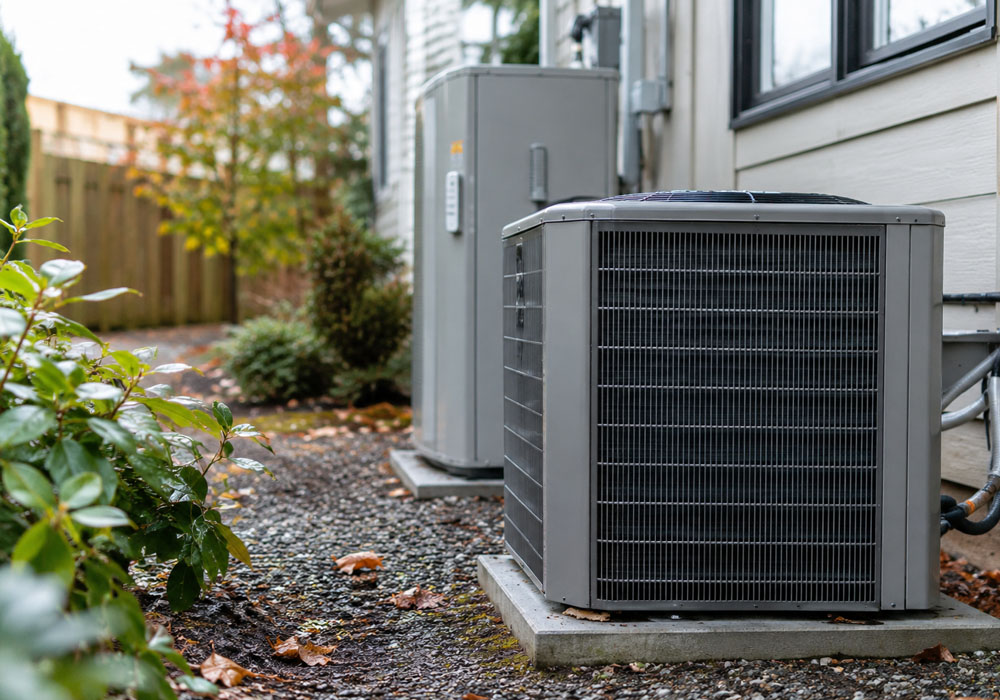
Gresham’s winter profile is mild on paper yet demanding in practice. Temperatures hover in the 30s and low 40s, humidity is high, and long stretches of damp air mean outdoor coils spend more time defrosting; these conditions put different pressures on an all-electric heat pump than on a natural gas furnace or a hybrid dual-fuel setup. If you are weighing a cold climate heat pump with electric heat strips against pairing a heat pump with a gas furnace, the right choice depends on your home’s heat loss, ductwork, and how your thermostat will stage the equipment as the weather shifts.
Local providers working in this exact climate, such as Essential Heating and Air of Gresham, OR, encounter the same constraints across many homes: outdoor units that lose capacity in the mid-30s, ducts that cannot move enough cubic feet per minute without creating high static pressure, and electrical panels that may not support large electric heat strips. Understanding those realities before you request bids helps you compare similar proposals and avoid systems that rely too heavily on emergency heat.
What Gresham’s Climate Does to Heat Output and Efficiency
A heat pump’s capacity falls as outdoor temperatures drop because the compressor has less heat to collect from colder air. In Gresham’s moist winter air, the outdoor coil also frosts more often, triggering defrost cycles that temporarily reverse the refrigeration process and blow cooler air across the indoor coil. That means you may feel a brief drop in supply air temperature at the registers, even if your thermostat setting remains steady. The combination of lower capacity and periodic defrost cycles can reduce a system’s coefficient of performance and increase run times.
Gas furnaces are not affected by outdoor humidity in the same way. A properly sized 95 percent AFUE condensing furnace delivers consistent supply air temperatures through its heat exchanger, regardless of a defrost event outside. The tradeoff is the fuel source. Electricity powers the heat pump and its blower, while natural gas fires the burner. Your comfort plan should account for utility rates, but it should also consider how a defrosting heat pump and a short-cycling furnace feel in occupied rooms. If you notice cool drafts during defrost or frequent hot-and-cold swings from an oversized furnace, staging and sizing often play a role.
Finding Your Home’s Balance Point with Real Loads, Not Rules of Thumb
The balance point is the outdoor temperature at which your heat pump’s output equals the home’s heat loss. Below that temperature, you need either auxiliary electric heat strips in the air handler or a gas furnace to carry the remaining load. A Manual J load calculation that accounts for window U factors, attic and wall R values, infiltration, and duct leakage will reveal a credible balance point for your house rather than relying on a broad “500 square feet per ton” shortcut. With that number, you can determine whether the heat pump alone can cover a typical 35-degree January afternoon without switching to backup heat.
Once you know the load, airflow and duct static pressure determine whether the air handler can deliver the required British thermal units. Undersized returns, restrictive elbows, and a high MERV filter can push total external static pressure above a blower’s rated limit, restricting airflow. That starves the indoor coil, lowers supply air temperature, and forces the thermostat to call for heat strips sooner. Testing static pressure at the supply and return plenums and measuring delivered CFM per ton can help confirm that the calculated capacity reaches the rooms that need it.
When Dual Fuel Staging Solves Comfort Gaps
A dual fuel system pairs a heat pump with a gas furnace and uses an outdoor sensor or thermostat logic to determine which heat source should operate. Above the chosen switchover temperature, the heat pump handles heating. Below that temperature, the furnace takes over. In Gresham’s 30 to 40 degree temperature range, that staging can eliminate excessively long heat pump run times, reduce reliance on electric strips, and bypass frequent defrost events on the coldest and wettest mornings. The key is choosing a switchover point that matches your home’s balance point and comfort preferences, rather than relying on an arbitrary factory default.
That control comes with a tradeoff because more equipment and controls must be commissioned correctly. The installer must set thermostat staging, confirm the gas furnace’s input with a manometer check, verify the heat pump’s refrigerant charge using the appropriate superheat or subcooling targets, and test that the furnace does not fire at the same time as the compressor. When properly configured, dual fuel staging can feel seamless. Rushed commissioning can cause nuisance short cycling, cold-air complaints, or higher utility bills if the system spends too much time using the wrong heat source.
All Electric Heat Pumps That Still Fit Older Ducts
All-electric systems can perform well in Gresham when matched to tight, well-insulated homes andlow-resistance duct systems. A variable-speed compressor with an ECM blower maintains steadier supply-air temperatures and minimizes defrost disruptions. To bridge short cold snaps, size the air handler’s supplemental heat load, and ensure the electrical panel has enough capacity for the strip kit and blower. Homeowners sometimes discover that a 100-amp electrical service cannot comfortably support a 10 kW strip kit. That is the type of constraint you want to identify before installation day.
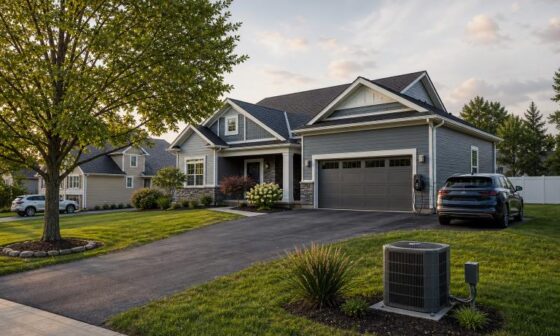
A common retrofit mistake is ignoring return air capacity. Adding a MERV 13 filter without increasing filter area or adding another return can raise static pressure, which may lead to coil icing, louder operation, and frequent thermostat calls for backup heat. Another overlooked detail is condensate and defrost water management. Outdoor units need adequate airflow and a place for defrost runoff to drain without freezing again around the base. A simple poly pad and proper clearance from shrubs can help prevent blocked airflow and noisy fan blades striking ice buildup.
Two Gresham Scenarios to Test Your Choice
Scenario one involves a 1940s bungalow near downtown with original 6-inch round supply ducts, one undersized return, replacement double-pane windows, and a vented crawlspace. After a Manual J calculation, heat loss at 35 degrees is still above what a 2-ton cold-climate heat pump can cover without frequent strip-heat use. Static pressure tests show 0.9 inches of water column at high fan speed. In this situation, either a duct upgrade paired with an all-electric heat pump and modest heat strips or a dual-fuel system with a higher switchover temperature could stabilize comfort. If electrical panel capacity is limited and the ducts cannot be enlarged, dual-fuel staging may provide more consistent comfort on damp mornings.
Scenario two involves a 2010 townhome with a spray-foamed attic, vinyl windows, and short duct runs. The heating load at 35 degrees is low enough that a variable-speed 1.5-ton heat pump can meet demand, with the heat strips rarely operating. Static pressure measures 0.5 inches of water column, and the electrical panel has enough capacity for a 7 kW strip kit. In this case, an all-electric system paired with a smart thermostat that gradually adjusts setpoints can reduce large temperature swings and make effective use of the heat pump’s efficiency. Defrost events may also be less disruptive because the compressor can operate at lower capacity for longer periods, helping maintain steadier indoor comfort.
Whichever path you choose, ask for specific information, including the Manual J load report, the selected heat pump’s HSPF2 and SEER2 ratings, the furnace’s AFUE rating if you are considering dual fuel, measured static pressure, and an explanation of how the thermostat will stage auxiliary or gas heat. A properly completed installation should include airflow setup, refrigerant charge verification, and a basic duct inspection for leakage. After installation, keep filters clean, rinse the outdoor coil each spring, and confirm that the condensate drain remains clear. Those small maintenance steps can help preserve the comfort and performance you planned for when Gresham’s gray winter skies settle in.