The wind is howling, rain is lashing against the windows, and you are safely huddled indoors. Then, the unexpected happens. The refrigerator suddenly stops humming, a pipe bursts in the basement, or the HVAC unit sputters and dies. Dealing with a household breakdown is stressful on a normal Tuesday; dealing with one during a severe storm can feel like a full-blown crisis.
When severe weather traps you indoors, emergency repair services are usually grounded until the roads clear. This means you are temporarily on your own as the first line of defense for your home. Taking the right immediate actions can prevent a minor appliance malfunction from turning into a costly disaster. Here is exactly how to manage unexpected household breakdowns safely and effectively while weathering the storm.
Prioritize Physical Safety Over Property
Before attempting to save a malfunctioning appliance or stop a leak, you must differentiate between a costly inconvenience and a physical hazard.
Water and electricity are a deadly combination. If your basement is flooding and the water level is approaching electrical outlets, do not step into the water to rescue your washer or dryer. If an appliance begins smoking, sparking, or emitting a burning plastic smell, do not attempt to inspect the wiring.
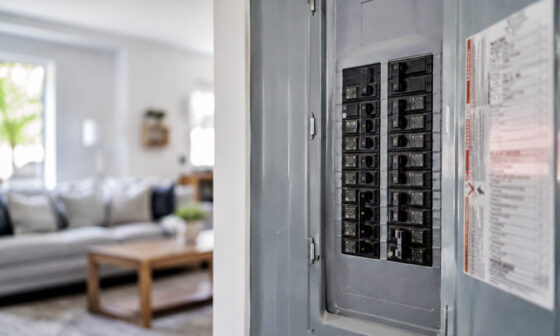
Common Mistake to Avoid: Never attempt to reset a constantly tripping circuit breaker during an active lightning storm. If a specific appliance is tripping the breaker, leave it off. Go to your main electrical panel and shut off the power to the affected zone until the weather passes and you can safely assess the situation.
The Refrigerator Crisis: Preserving Your Food Supply
The most common storm-related breakdown is the sudden loss of refrigeration, either due to a neighborhood power outage or an appliance-specific electrical fault.
When the fridge dies, your immediate instinct might be to open it and check on your perishables. Resist this urge. Every time you open the door, you let out valuable cold air and accelerate food spoilage.
Follow these refrigerator food safety guidelines during a breakdown:
- The 4-Hour Rule: A closed, unplugged refrigerator will keep food safely cold for roughly four hours.
- The Freezer Window: A fully stocked freezer will hold its temperature for about 48 hours (or 24 hours if only half-full).
- Strategic Relocation: If you have warning of a storm, fill empty milk jugs with water and freeze them. If the fridge fails, move these ice jugs to the refrigerator compartment to buy yourself several extra hours of safe cooling.
HVAC Failures: Managing Indoor Climate Safely
Losing your heating or cooling system during a blizzard or a summer hurricane quickly turns your home into an uncomfortable, and sometimes dangerous, environment.
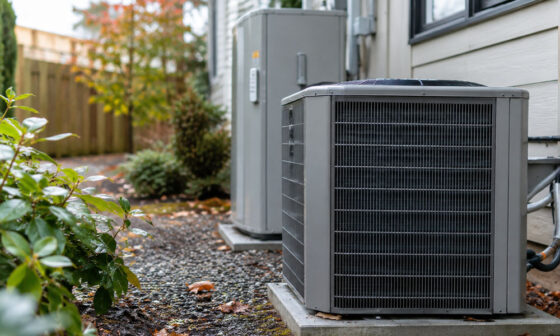
If your HVAC system breaks down mid-storm, shut off the thermostat immediately. Leaving it “on” while the system struggles can burn out the compressor or blower motor, turning a simple fix into a total replacement.
Next, focus on manual climate control. In winter, isolate your family in a single, interior room. Close the doors, block under-door drafts with rolled-up towels, and cover the windows with heavy blankets to trap body heat. In summer, close blinds on sun-facing windows to block radiant heat, and open cross-ventilation windows if the storm is not blowing rain indoors.
If you decide to use a backup power source, practice safe generator operation. Never run a gas-powered generator inside your home, garage, or enclosed patio, as carbon monoxide buildup is invisible, odorless, and deadly.
Plumbing Emergencies and Sump Pump Failures
Heavy rain puts immense pressure on your home’s plumbing and drainage systems. A failed sump pump or a ruptured pipe can flood a basement in a matter of minutes.
If your sump pump loses power or suffers a mechanical failure, you have a very short window to act. If you do not have a battery-backup sump pump installed, you will need to manually remove water. Use a wet/dry shop vacuum (if you have backup power) or start bailing water with buckets to direct it away from the foundation.
If a pipe bursts inside the walls due to freezing temperatures or pressure changes, do not waste time looking for the specific leak. Head straight to your home’s main water shutoff valve—usually located in the basement, garage, or utility closet—and turn it completely clockwise. Shutting off the main water supply instantly mitigates water damage until a plumber can safely reach your home.
Protecting Your Appliances from Deadly Power Surges
Many homeowners believe that losing power is the biggest threat to their appliances. In reality, the return of the power is often what destroys them.
When the electrical grid goes down and suddenly comes back online, it often delivers a massive spike in voltage. This power surge can instantly fry the delicate circuit boards inside modern smart refrigerators, washing machines, and televisions.
If the power flickers or dies entirely, walk through your home and manually unplug your high-value electronics and major appliances. Leave one single lamp switched on so you know when the power is successfully restored. To prevent this issue permanently, consider installing whole-home surge protection at your breaker box once the storm clears.
Post-Storm Action: When to Call the Professionals
Once the storm breaks and the roads are deemed safe, it is time to transition from damage control to permanent repairs.
Do not attempt to plug in or turn on any appliance that was exposed to standing water, heavy leaks, or suspected electrical surges. Modern appliances rely on complex motherboards that can short-circuit and start electrical fires if moisture is present inside the housing.
Instead, document the damage for your insurance company by taking clear photos of the affected units and any surrounding water damage. Then, call in certified technicians who can properly diagnose the mechanical faults. For example, if you are recovering from a severe weather event and need trustworthy diagnostics, contacting experts for home appliance repair in Syracuse, UT ensures your valuable equipment is evaluated safely and correctly.
Post-Storm Diagnostic Checklist
Before calling a technician, run through this quick checklist to provide them with accurate information:
- Is the appliance plugged directly into the wall, and has the outlet been tested with another device (like a lamp)?
- Has the specific circuit breaker been checked and reset?
- Is there any visible water pooling under or inside the machine?
- Are there any unusual smells (like burning rubber or ozone) coming from the unit?
Storms are unpredictable, but your response to a household breakdown doesn’t have to be. By prioritizing physical safety, preserving your food and climate strategically, mitigating water damage, and protecting your electronics from surges, you can navigate the chaos of a severe weather event with confidence. Once the skies clear, you will be in the best possible position to hand the repairs over to the professionals and get your home back to normal.