Moving a laboratory is not a standard office move. Chemicals, reagents, compressed gases, aging containers, and temperature-sensitive materials require a controlled plan that protects people, property, research, and required records. For complex projects, lab chemical relocation support from GenVault Transport Services can include inventory assessment, segregation of compatible chemicals, packaging, documentation, transportation, and delivery reconciliation. The company provides local and nationwide laboratory logistics services for regulated and non-regulated chemical moves. The most reliable approach is to treat relocation as a safety and continuity project from the beginning. Assign clear ownership, confirm the destination is ready, and create documentation that follows materials from the original laboratory through final placement.
Why A Laboratory Move Needs More Than Standard Packing
Laboratory contents can create risks that ordinary furniture and office equipment do not. Flammables, corrosives, oxidizers, toxics, reactive compounds, compressed gases, and refrigerated materials may each require different storage, handling, or transport controls. A rushed move can also interrupt active work, separate materials from their records, or leave the new space unable to receive the shipment safely.
Start With A Complete Chemical Inventory
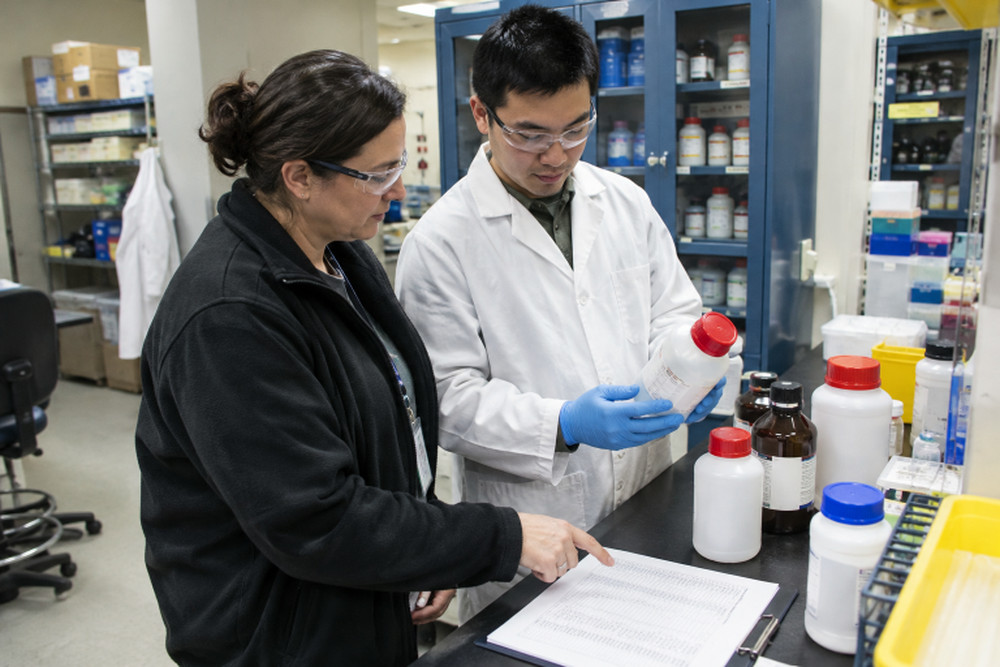
Build a move inventory before boxes, carts, or transport containers appear. For every item, record the chemical name, concentration, container size, quantity, hazard class, condition, expiration date, where applicable, storage temperature, origin, destination, and safety data sheet availability. This process often reveals damaged containers, duplicate purchases, outdated stock, and materials that should be managed as waste rather than moved. It also creates the baseline needed to verify that all materials arrive at the correct destination.
Bring Environmental Health And Safety Into The Plan Early
Environmental health and safety teams should review the plan before a moving date is finalized. They can help identify institutional requirements for chemical handling, decontamination, waste removal, emergency procedures, and facility readiness. Many organizations have formal notification expectations. For example, UC San Diego’s laboratory relocation guidance calls for early EH&S notification and outlines responsibilities when a laboratory is vacated.
Sort Materials By Hazard And Compatibility
Chemicals should not be packed alphabetically or solely by where they happen to sit on a shelf. Qualified personnel should review compatibility and separate materials into appropriate groups, including:
- Flammable liquids
- Corrosive acids and bases
- Oxidizing agents and reactive compounds
- Toxic substances
- Compressed gases
- Refrigerated and temperature-sensitive reagents
A basic checklist cannot replace chemical-specific expertise. When the identity, condition, or compatibility of an item is uncertain, pause the process and ask the appropriate safety professional to evaluate it.
Prepare The New Space Before Materials Arrive
Transport should not begin until the destination laboratory can receive materials. Confirm that appropriate storage cabinets, ventilation, temperature controls, fire protection, spill supplies, access routes, emergency contacts, and approved storage locations are in place. A short readiness inspection can prevent a delivery crew from arriving before the space is equipped to store the shipment.
Use Proper Packaging, Labels, And Transport Records
Every container should remain identifiable and secure throughout the move. Use suitable packaging, protective cushioning, secondary containment where appropriate, secure closures, and clear labels. Keep packing lists, container counts, hazard information, handling notes, temperature requirements, and shipping records together as part of a controlled documentation process. Records should make it possible to answer simple but important questions: what was packed, who released it, where it was sent, who received it, and whether any discrepancy was found.
Build A Schedule That Protects Research Continuity
A phased move can reduce disruption. Start with low-use materials, remove waste and unneeded stock, then schedule active or temperature-sensitive materials during a controlled window. Laboratory move guidance from the University of Minnesota similarly emphasizes advanced coordination for items that need trained handling or special preparation.
- Notify leadership, facilities, and EH&S.
- Freeze and review the inventory.
- Remove waste and unwanted materials.
- Confirm the destination is ready.
- Pack and move materials in priority order.
- Inspect, reconcile, and restore storage after delivery.
Plan For Spills, Delays, And Unexpected Materials
Not every issue will appear on the original inventory. If a container leaks, a label is missing, or an unknown material is found during packing, stop work on that item. Isolate the area as appropriate, follow site procedures, and contact trained safety or emergency response personnel. Workers should not guess about an unknown substance or attempt an improvised cleanup without the right training and equipment.
Verify The Shipment At Delivery
Delivery is a checkpoint, not the end of the project. Compare received materials with the inventory, inspect containers and labels, promptly check temperature-sensitive items, and document any missing or damaged materials before closing the move.
- Confirm container counts and destination locations.
- Inspect for leaks, cracks, or damaged labels.
- Place materials in approved storage promptly.
- Record and escalate discrepancies.
- Update the laboratory inventory system.
Common Questions About Laboratory Chemical Moves
How Early Should Planning Begin?
Begin as soon as the move is approved. Larger inventories, disposal needs, multiple destinations, and regulated materials generally require more coordination.
Can Laboratory Staff Move Chemicals Themselves?
That depends on the material, quantity, distance, institutional policy, and applicable requirements. Staff should consult EH&S before moving hazardous chemicals, compressed gases, radioactive materials, or controlled substances.
What Should Happen To Expired Chemicals?
Review expired, damaged, unstable, or unwanted materials for proper disposal before the move. Transporting unnecessary stock can add cost, work, and risk.
Final Checklist For A Safer Move
- Assign one project lead and clear responsibilities.
- Complete and review the chemical inventory.
- Coordinate with EH&S and facilities teams.
- Remove waste and unwanted stock.
- Prepare the destination laboratory.
- Separate incompatible materials.
- Use appropriate packaging, labels, and records.
- Reconcile inventory after arrival.
A successful laboratory relocation is a controlled safety project, not a rushed packing exercise. Careful inventory work, early safety review, realistic scheduling, and documented delivery checks help protect personnel, research materials, facilities, and continuity of work.