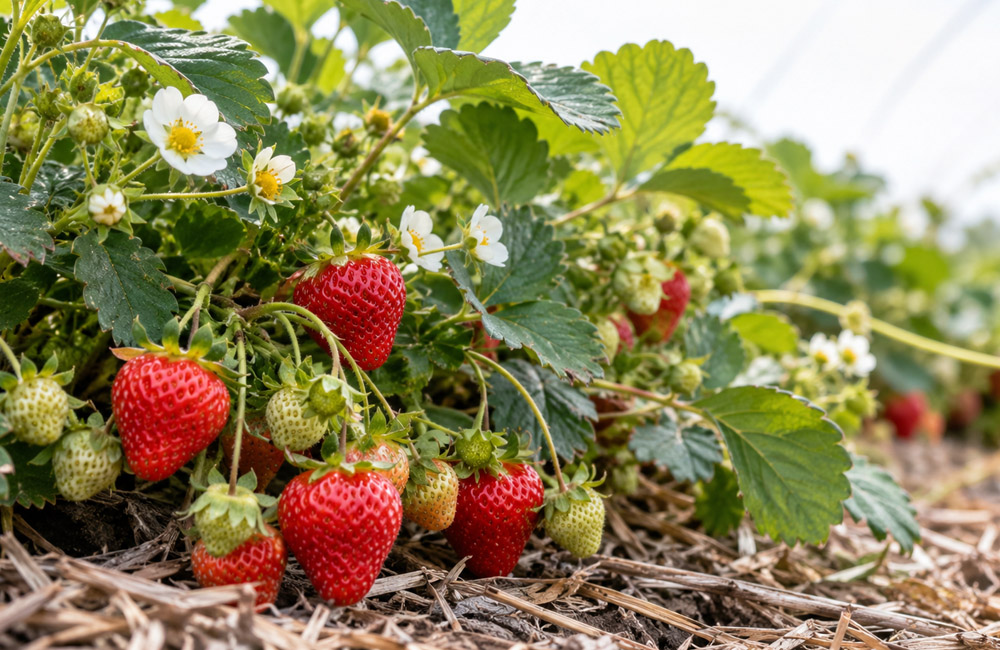
Seascape is a day-neutral strawberry, meaning it is less tied to spring day length and can flower and fruit repeatedly once established. That trait makes it appealing to home gardeners who want steady berries instead of a single June flush. Consistent harvests, though, depend on a few practical choices you make early: matching variety traits to your climate, preparing a fast draining bed or container, planting crowns at the right depth, managing runners and early flowers, and keeping water and nutrition steady. With a bit of attention to those details, Seascape can reward you from late spring through fall with flavorful, medium to large berries.
Match Seascape’s Traits to Your Climate
Day neutral strawberries tolerate a wide range of day lengths, but temperature still sets the pace. Seascape originated for coastal conditions, so it appreciates warm days with cool nights. In hotter interiors or baking balconies, plan for afternoon shade and mulch to keep roots cooler. Many gardeners start with organic Seascape strawberry plants from California, then fine-tune the microclimate with shade cloth during heat spikes and low tunnels during chilly snaps to maintain flowering.
If you garden where summers are short, the day-neutral habit is helpful because plants can fruit as they mature instead of waiting for the next spring’s long days. If your season is long and hot, Seascape can still perform, but fruit set may pause during extreme heat. In either case, morning sun plus light afternoon protection often strikes the right balance for sustained flowering.
Prepare the Bed or Container for Continuous Fruiting
Strawberries demand sharp drainage. In-ground beds benefit from being raised several inches and mixed with finished compost to build a crumbly, friable texture. Aim for slightly acidic soil; strawberries generally perform well around the pH typical of many vegetable gardens, and incorporating pine needles or peat can help if your soil trends alkaline. In containers, a peat- or coir-based mix amended with perlite supports aeration. Use a pot at least bucket-sized, so roots don’t overheat or dry out too quickly in midsummer.
Before planting, lay a drip line or soaker hose to deliver even moisture under the foliage. Top the surface with straw mulch or clean pine needles to cushion ripening berries, slow evaporation, and reduce splashing that spreads diseases such as gray mold. If your site is windy, a low windbreak like a mesh panel can prevent desiccation without blocking light.
Planting Depth, Spacing, and Early Flower Decisions
Set each plant so the crown sits level with the soil surface. Burying the crown invites rot, while setting it too high leaves roots exposed and prone to drying. Fan roots outward, backfill, and firm the soil to avoid large air pockets. Provide space for airflow; overcrowded rows trap humidity and can invite Botrytis on ripening clusters. In containers, resist the urge to cram extra starts, which often results in lots of leaves but small, soft berries.
For stronger season-long yields, remove the first flush of flowers briefly after planting. That pause lets plants direct energy into roots and crowns, which then support more consistent trusses later. Likewise, pinch most runners (stolons) during the main fruiting months. Runner removal concentrates sugars into flowers and berries rather than into daughter plants. If you want to propagate for next year, let a few well-placed runners root late in the season after peak harvest.
Water and Nutrition Schedules That Support Steady Berries
Uneven moisture leads to small or misshapen fruit and bitter notes. Keep the root zone evenly damp with drip or a soaker hose, adjusting frequency during hot, windy stretches. Overhead watering in the evening raises disease risk; if you must hand water, do it in the morning and avoid soaking blossoms. A balcony grower, for example, may need two light irrigations on a 95-degree day, while a raised bed gardener on clay might water less often but more deeply to penetrate the profile.
Day neutral varieties respond well to light, frequent feeding. Side dress with compost early in the season, then supplement with a diluted balanced fertilizer or fish emulsion every couple of weeks while plants are actively flowering. Avoid heavy, high-nitrogen applications in midsummer, which push lush foliage at the expense of fruit. If leaves pale during continuous fruiting, a small midseason boost can help, but stop feeding as nights cool to reduce soft, late fruit.
Watchlists: Pests, Diseases, and Heat Management
Scout regularly so small issues stay small. Slugs chew ripe fruit; keep mulch tidy, pick frequently, and consider copper tape around containers. Birds peck the reddest berries; simple netting over hoops protects trusses without smothering plants. Hot, dusty conditions can favor spider mites; rinsing leaf undersides in the morning and maintaining humidity near soil level help, as do predatory mites where available. For diseases, gray mold thrives in still, damp canopies. Prune excess leaves around fruit clusters, harvest daily, and remove overripe berries to reduce spore loads.
Heat can temporarily suppress pollination and fruit size. On forecasted scorchers, drape 30 to 40 percent shade cloth over low hoops to cool flowers while keeping light levels usable. In a patio container, group pots together to create a cooler microclimate, and water earlier so roots face midafternoon heat fully hydrated. These small interventions steady Seascape’s flowering rhythm so the next flush arrives quickly once temperatures moderate.
Two Real World Planting Scenarios
Small urban balcony: One large container fitted with a single ring of drip tubing and a timer prevents the midday wilt-recover cycle that stresses day-neutral strawberries. A light layer of straw keeps fruit clean above the potting mix, and a clip-on shade panel during peak sun keeps blossoms viable. Pinch runners throughout summer so the original crowns shoulder the crop without depleting themselves.
Cool spring, short summer garden: A raised bed covered with a vented row cover warms the soil sooner, pushing early vegetative growth. The gardener removes initial blossoms, then uncovers the bed during pollinator-friendly hours once trusses appear. With mulch and drip already in place, the plants transition to open air as nights warm, carrying fruiting into early fall before frost.
Done well, growing Seascape is equal parts setup and small, regular adjustments. Prepare a fast-draining root zone, plant crowns at the soil line, remove early blooms and most runners, feed lightly but steadily, and protect flowers during heat or prolonged wet periods. Expect peak vigor in the first couple of years, then refresh with a new bed or daughter plants to maintain yields. With those habits in place, a basket of bright, clean berries can be a near-weekly ritual from late spring until the first real frost.