Underground utility maintenance is often treated as a simple access task until a crew encounters a buried valve box filled with gravel, an unclear utility mark, standing water, or a service point that no longer lines up with its cover. Safer work depends on planning the job before the crew arrives, using appropriate excavation methods, and documenting what was found for the next visit.
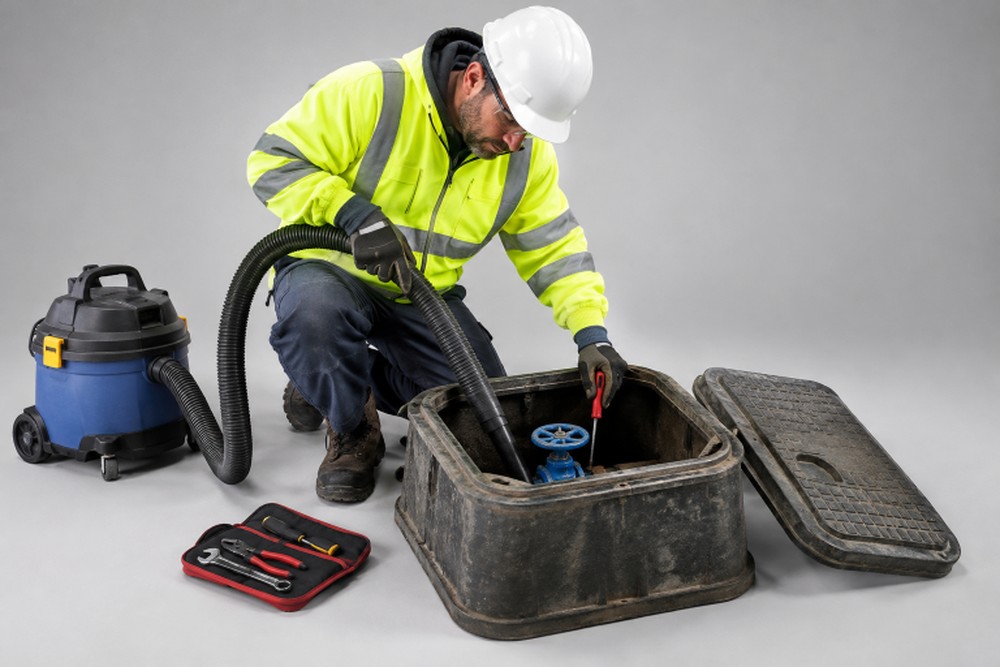
Equipment selection should support that process rather than replace it. Hurco Technologies, Inc., a Harrisburg, South Dakota, manufacturer of municipal valve maintenance and underground utility equipment, offers an all-in-one valve and vacuum system designed to clear debris from valve boxes and address misaligned access points. Although the requested hydrostatic test pump anchor leads to information about a hydro-excavation vacuum, the page is relevant to crews evaluating equipment used for valve access, debris removal, and routine utility maintenance.
Why Routine Maintenance Matters
Buried valves, boxes, cleanouts, and fittings support both routine system operation and emergency response. When an access point is obstructed, a crew may lose time locating the component, removing material, or correcting a shifted box before it can operate the valve. Those delays are especially disruptive when a main break or service interruption requires quick isolation.
Preventive work is generally easier to schedule than emergency access work. For example, construction traffic can push soil, aggregate, and pavement debris into a valve box over time. Identifying that condition during a planned inspection gives the utility an opportunity to restore access before the valve is urgently needed.
Plan Before The Crew Arrives
A supervisor should review available maps, asset records, previous work orders, and notes from valve exercising or repair visits. Confirm the expected location and depth of the access point, then assess traffic conditions, weather, surface stability, nearby structures, and available staging space.
The work plan should identify the tools, hoses, barriers, lighting, personal protective equipment, and disposal approach needed for the site. It should also set clear stop-work conditions. Unknown utilities, damaged utility marks, flooding, unstable soil, or unsafe traffic exposure are reasons to pause and reassess rather than improvise in the field.
Locate Underground Utilities
Crews should request utility marking before excavation and review the marks with the job plan. In the United States, calling 811 before digging helps start the notification process for participating utility operators. Marks and records are important, but they do not eliminate the need for careful verification as excavation approaches a known or suspected line.
Keep marks visible throughout the task, especially when traffic, water, or removed spoil could obscure them. When a line is exposed, protect it from contact, loading, or damage while the work area remains open.
Choose The Right Excavation Method
No single excavation method is appropriate for every maintenance task. Hand digging may be suitable for small, controlled areas. Mechanical excavation can be efficient where there is sufficient clearance and the work plan supports it. Vacuum or hydro excavation can help remove soil and debris with more control in congested utility corridors or around sensitive access points.
Consider soil type, depth, utility density, access restrictions, water availability, debris volume, disposal needs, and the risk of disturbing nearby pavement or landscaping. A method that works well in open soil may be poorly suited to a narrow roadside shoulder or an area with multiple buried services.
Keep Valve Boxes And Access Points Clear
Soil, gravel, roots, standing water, and construction debris can all interfere with access. Removing loose material is only the first step. A box that is tilted, damaged, or no longer centered over the valve may require repair beyond ordinary cleaning.
- Inspect the cover and the surrounding pavement or soil.
- Remove loose debris without damaging the box or nearby utilities.
- Clear compacted material using a method suited to the site.
- Confirm that the box is aligned with the valve operating nut.
- Verify that the valve can be reached and operated safely.
- Record the condition, work completed, and follow-up needs.
Use Equipment Wisely
Field equipment should match the actual job, not just the largest anticipated job. Evaluate hose reach, wand clearance, debris handling, tank access, mobility, noise, serviceability, and compatibility with existing vehicles or valve-exercising tools. Crews should also understand how equipment is cleaned, disconnected, and transported so routine handling does not create new hazards.
Keep operating manuals, inspection procedures, and commonly needed replacement parts accessible. Before use, inspect hoses, fittings, guards, controls, and lighting. A brief pre-use check can reveal leaks, worn components, or setup issues before the crew begins work in traffic or near buried infrastructure.
Protect Workers During Field Work
A small access opening can still expose workers to serious hazards. Use traffic control and high-visibility apparel near roadways. Keep workers clear of moving equipment and suspended loads. Where excavation conditions require it, provide safe access and egress, control water accumulation, and use required protective systems.
OSHA trenching and excavation guidance emphasizes that excavation conditions can change and should be inspected by a competent person. Crews should not enter an excavation that lacks required protection, and atmospheric testing may be necessary if a hazardous atmosphere is present.
Build A Repeatable Checklist
- Asset location and work scope confirmed
- Utility marks reviewed and protected
- Traffic control and work-zone boundaries established
- Access point inspected before debris removal
- Appropriate excavation or cleaning method selected
- Equipment inspected before operation
- Valve, fitting, and access condition documented
- Work area restored and follow-up work orders created as needed
Common Questions
What Is The Safest Way To Clear A Blocked Valve Box?
Start by assessing the debris, depth, nearby utilities, traffic conditions, and whether excavation is required. The safest approach is the one that gives the crew adequate control without exposing workers or buried infrastructure to unnecessary risk.
When Should A Crew Use Hydro Excavation?
Hydro excavation can be useful when controlled soil removal is needed near buried utilities or in tight access areas. It does not replace utility locating, site assessment, or required excavation protections.
How Often Should Valve Boxes Be Inspected?
Inspection frequency should reflect asset criticality, local soil movement, flooding, construction activity, traffic exposure, and past maintenance history. Hard-to-access or high-consequence locations may warrant closer attention.
Final Thoughts
Safer underground maintenance is built on repeatable decisions: plan the work, verify utility locations, choose controlled methods, protect the crew, and document the result. That approach helps utilities maintain reliable access to buried infrastructure without creating avoidable hazards.